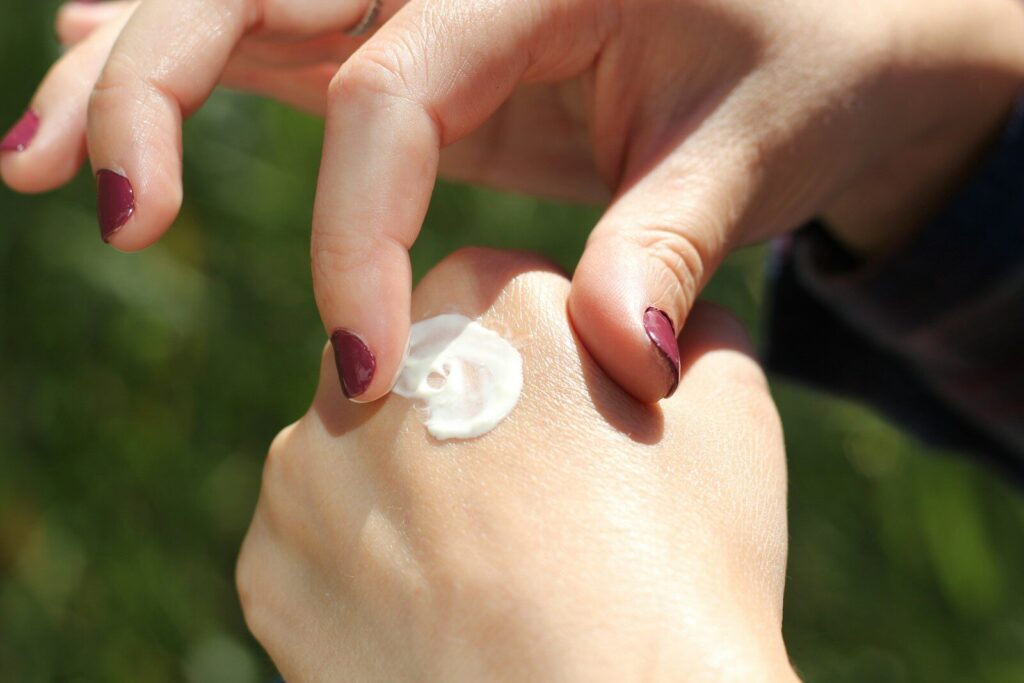
Dry skin can feel uncomfortable and may appear rough, flaky, or dull. Factors such as cold weather, low humidity, frequent bathing, harsh soaps, and environmental exposure can contribute to moisture loss. Choosing the right lotion is an important step in maintaining soft, smooth, and healthy-looking skin.
With so many products available, finding the best lotion for dry skin can sometimes feel overwhelming. Different formulations contain different ingredients and textures, and what works well for one person may not be ideal for another. Understanding your skin’s needs and knowing what to look for in a moisturizer can help you make a more informed choice.
Identify Your Skin’s Level of Dryness
The first step in choosing a lotion for dry skin is determining how dry your skin actually is. Mild dryness may only require a lightweight daily lotion, while very dry or rough skin may benefit from a thicker and richer cream.
Pay attention to symptoms such as tightness, flaking, rough patches, and persistent dryness. Areas such as the hands, elbows, knees, and feet may require additional moisture compared to other parts of the body.
Choosing a product based on your skin’s specific level of dryness can help provide more effective and comfortable hydration.
Look for Moisturizing Ingredients
The ingredients in a lotion play a major role in its ability to hydrate and soften the skin. Look for products containing ingredients that attract, retain, or help seal moisture into the skin.
Common moisturizing ingredients include glycerin, hyaluronic acid, shea butter, ceramides, and natural oils. These ingredients can help improve the skin’s moisture levels and support a smoother appearance.
Humectants attract water to the skin, while emollients help soften rough areas. Occlusive ingredients can also help reduce moisture loss by forming a protective layer on the skin’s surface.
Consider a Fragrance-Free Formula
Fragrance can make a lotion more enjoyable to use, but it may not be suitable for everyone. Individuals with sensitive or easily irritated skin may benefit from choosing a fragrance-free formula.
Fragranced products can sometimes cause discomfort or irritation, particularly when applied to very dry or compromised skin. If you have experienced reactions to scented skincare products in the past, a fragrance-free lotion may be the safer option.
Always review the product’s ingredients and consider your individual skin sensitivities before making a selection.
Choose the Right Texture
Lotions are available in different textures, ranging from lightweight liquids to thick creams and body butters. The right texture depends on your skin type, climate, and personal preferences.
Lightweight lotions may be suitable for mild dryness or warmer weather. Rich creams and thicker moisturizers are often better for severely dry skin or colder environments.
If your skin feels dry shortly after applying a lightweight lotion, switching to a richer formula may provide longer-lasting hydration.
Look for Products That Support the Skin Barrier
The skin barrier plays an important role in protecting the skin from environmental stressors and preventing excessive moisture loss. When the barrier becomes weakened, the skin may become dry, sensitive, or rough.
Look for lotions containing barrier-supporting ingredients such as ceramides, fatty acids, and other nourishing lipids. These ingredients can help maintain the skin’s natural protective layer and improve overall skin comfort.
A healthy skin barrier is essential for maintaining balanced and well-hydrated skin.
Consider Your Skin Sensitivity
People with dry skin may also experience sensitivity. If your skin is prone to redness, itching, or irritation, choose products formulated for sensitive skin.
Avoid products containing ingredients that have previously caused reactions. Gentle, hypoallergenic, and fragrance-free formulations may be better suited for easily irritated skin.
Performing a patch test before using a new lotion extensively can also help identify potential sensitivities.
Think About the Climate and Season
Your skincare needs may change depending on the weather and environment. Cold and dry weather can cause the skin to lose moisture more quickly, making richer lotions and creams more beneficial.
During warmer months, you may prefer a lighter formula that absorbs quickly without leaving a heavy feeling on the skin.
Adjusting your body care routine according to seasonal changes can help maintain consistent hydration throughout the year.
Check for Non-Greasy and Fast-Absorbing Formulas
A good lotion for dry skin should provide effective moisture without necessarily leaving an uncomfortable greasy residue. If you plan to use lotion during the day, consider choosing a formula that absorbs relatively quickly.
Fast-absorbing lotions can be particularly convenient for busy mornings or for moisturizing before getting dressed. However, people with extremely dry skin may prefer a richer product, even if it takes longer to absorb.
The ideal balance between hydration and texture will depend on your individual preferences.
Apply Lotion at the Right Time
Choosing the right product is important, but proper application can also affect the results. For best results, apply lotion shortly after showering or bathing while the skin is still slightly damp.
This can help lock in moisture and reduce water loss from the skin. Gently massage the lotion into the body, paying extra attention to areas that tend to become dry or rough.
Consistent application is often more effective than applying large amounts of lotion only when dryness becomes severe.
Final Thoughts
Choosing the best lotion for dry skin involves considering your skin type, level of dryness, sensitivity, and personal preferences. A quality moisturizer should provide effective hydration, soften rough areas, and help support the skin’s natural moisture barrier.
Look for beneficial ingredients such as glycerin, ceramides, shea butter, and natural oils while avoiding ingredients that may irritate your skin. The texture of the lotion and the climate in which you live can also influence which formula is most suitable.
By selecting a lotion that matches your skin’s needs and applying it consistently, you can help maintain softer, smoother, and healthier-looking skin. A simple and well-chosen moisturizing routine can make a significant difference in managing dryness and improving overall skin comfort.