Popular
Screenwriter Bennett Graebner on Character Arc Replacing Conflict in Reality TV

12 Jan
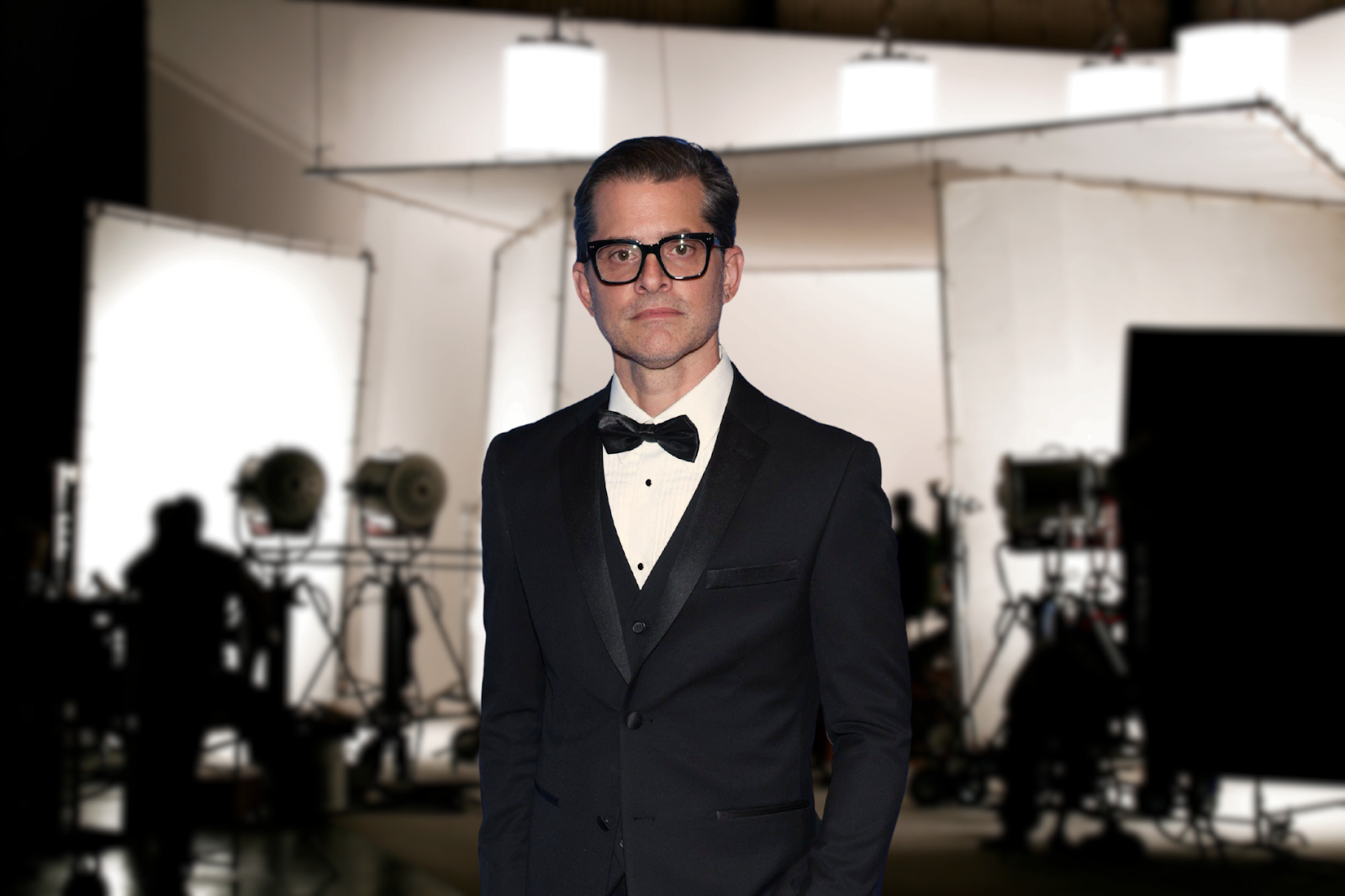
Reality television built an empire on combustion. For two decades, producers cast volatile personalities, manufactured confrontations, and banked on audiences tuning in to watch people implode. That formula delivered ratings when the genre was young, and viewers had not yet learned to recognize the patterns.
Bennett Graebner, who spent nearly two decades as an executive producer on The Bachelor franchise, believes the industry has reached an inflection point.
“It’s less about character destruction and more about character arc”.
Why Is Conflict-Driven Programming Losing Its Edge?
Veteran viewers now identify the “villain” before the second episode airs. They predict the blowup, anticipate the tearful confessional, and scroll through their phones during scenes they have effectively watched dozens of times before.
Industry analysis from ElectroIQ found that nearly 59% of reality TV viewers still watch primarily for drama or conflict. Yet the same research reveals that 42% say a reality TV show has emotionally affected them. That gap suggests engagement can run deeper than spectacle when shows provide something worth investing in.
Bennett Graebner has observed the shift in real time.
“We want to see the characters evolve. We want to see them change. We don’t necessarily want to see them in conflict all the time,” he says.
Fatigue Has Set In
Programs like Queer Eye and The Great British Bake Off have built devoted followings by inviting audiences to invest in participants’ growth. Cosy reality TV has spread across formats precisely because it offers an alternative to exhausting conflict cycles. Viewers return not to see who gets eliminated but to witness who gets better.
Networks have taken notice. Dating shows that once relied exclusively on jealousy and betrayal now incorporate vulnerability and emotional intelligence into their casting criteria. Competition formats increasingly highlight mentorship and personal breakthroughs alongside elimination drama.
How Did Nick Viall Prove This Model Works?
No contestant better illustrates the commercial viability of character arc than Nick Viall, whose four-season journey through the Bachelor franchise became an unintentional case study in redemption economics.
Viall first appeared on The Bachelorette in 2014 as a software sales representative competing for Andi Dorfman’s affections. Other contestants labeled him arrogant and cocky. When he confronted Dorfman at the “After the Final Rose” special about their intimate relationship, he cemented his reputation as a villain.
He had all the right ingredients for the role: pretentious, over the top, and spoke without a filter. He returned for a second Bachelorette season, again finishing as runner-up, again generating friction.
Traditional programming logic would have discarded him or continued milking his villainous image until audiences lost interest. Instead, the franchise made an unusual choice.
From Villain to Leading Man
Viall joined Bachelor in Paradise in season three with his villain status explicitly acknowledged. His official descriptor was “runner-up,” signaling awareness that audiences remembered his history.
On Paradise, Viall offered advice and support to other contestants. He handled rejection with grace. Audiences who had dismissed him discovered unexpected depth, and the show captured that discovery on camera.
CrimeReads noted that some of the most compelling stories the Bachelor franchise has ever told are villain redemption arcs. Over four seasons, Viall moved from antagonist to trusted voice to leading man in Season 21.
Why Transformation Outperformed Destruction
His trajectory revealed something producers had undervalued: a contestant who transforms across multiple appearances generates more long-term engagement than one who delivers the same explosive moment repeatedly. Viall’s audience grew because viewers became invested in his arc, not just his antics.
Single-season villains flame out. Their shock value diminishes with each predictable confrontation. Viall’s willingness to show growth gave producers fresh material and gave audiences a reason to keep watching someone they had initially written off.
He has since built a successful podcast, The Viall Files, positioning himself as a relationship advice figure. That post-show career would have been impossible if the franchise had locked him into permanent villain status.
What Does Character Arc Require From Producers?
Prioritizing development over destruction demands fundamental changes to how shows are cast, shot, and edited.
Character destruction is operationally simple. Find volatile personalities, place them in pressure-cooker situations, capture the inevitable explosions. Participants function as content generators whose individual depth matters less than their capacity to create memorable moments.
Character arc requires casting individuals with genuine complexity, then giving their stories room to breathe across episodes and seasons. Editors must resist the temptation to flatten participants into easily digestible types. Showrunners must trust that audiences will stay engaged through quieter moments when the payoff is meaningful growth.
Casting for Depth Over Volatility
Graebner’s casting philosophy has always emphasized finding people who defy easy categorization. Contestants who seem confrontational but reveal romantic tenderness, or who appear reserved but emerge as strategic thinkers, create the kind of surprises that sustain viewer interest.
Such an approach requires more intensive vetting. Surface-level auditions reveal surface-level personalities. Discovering genuine complexity demands deeper conversations and multiple interactions before cameras ever roll.
Empathy Has Become Valuable Currency
Bennett Graebner has previously described empathy as the new shock value in reality television. Where producers once competed to deliver outrageous moments, they now compete to forge emotional connections that keep viewers returning.
The best character arcs convince audiences that change is natural rather than contrived. Whether someone moves past trauma, adjusts to loss, or embraces a newfound purpose, watching them become a better version of themselves can outweigh any plot twist.
Conflict will not disappear. Drama remains essential. But audiences increasingly want to see contestants overcome obstacles rather than simply create them for each other.
Character Arc over Conflict
Viall’s journey from most-hated competitor to franchise lead proved that transformation generates sustained audience investment. Viewers who watched him grow across four seasons developed a relationship with his story that single-appearance villains cannot replicate.
Graebner’s perspective, informed by nearly two decades of producing one of television’s most successful franchises, suggests the industry recognizes where momentum is heading. Producers who learn to identify and cultivate genuine complexity will find audiences hungry for programming that rewards their attention.
Those who continue relying on character destruction will compete for viewers whose patience for predictable explosions has worn thin.