For years, beauty culture revolved around surface-level transformation. Contour harder. Highlight brighter. Buy the new serum. Try the trending treatment. The promise was simple: external adjustments equal visible change.
But scroll through social media today and the conversation feels different.
Beauty is no longer just about what you apply. It is increasingly about what is happening beneath the surface, hormones, gut health, inflammation, stress levels. A new generation is connecting internal wellness to external glow, and that shift is quietly reshaping the beauty industry.
Welcome to the smart self-care era.
Hormonal Health Is No Longer Taboo
There was a time when hormonal conditions were rarely discussed outside clinical settings. Now, terms like cortisol, insulin resistance, and cycle syncing are part of mainstream TikTok vocabulary. Among the most discussed topics is PCOS (polycystic ovary syndrome), a condition that affects millions of women yet historically went underdiagnosed and misunderstood.
What changed? Transparency.
Creators began sharing their acne journeys, hair thinning struggles, unexplained weight fluctuations, and fatigue, and many traced those experiences back to hormonal imbalances. Instead of masking symptoms with more products, conversations shifted toward understanding root causes.
As awareness grows, more individuals are seeking specialized support from PCOS registered dietitians who understand the metabolic and hormonal nuances of the condition. Nutritional guidance tailored to insulin sensitivity, inflammation management, and sustainable weight balance can directly influence visible outcomes like skin clarity and hair health.
This represents a major cultural shift. Beauty is no longer just cosmetic, it is metabolic.
The End of “One-Size-Fits-All” Wellness
The smart self-care era rejects blanket advice. Instead of copying influencer meal plans or blindly following restrictive diets, audiences are becoming more critical. They want personalization. They want context.
Hormonal health illustrates why this matters. Two people can follow identical skincare routines yet see completely different results if their internal environments differ. Stress, sleep, blood sugar regulation, and micronutrient intake all influence the way skin behaves.
This realization is pushing wellness conversations toward evidence-based, individualized care rather than trend chasing. It is also reducing the stigma around seeking professional support. Consulting specialists is increasingly seen as empowered decision-making, not overreaction.
In a culture that once glorified “doing it all yourself,” asking for expert guidance now signals sophistication.
Beauty Maintenance Gets More Intentional
While internal health is gaining attention, external care has not disappeared. It has simply evolved.
Take lash extensions as an example. Once considered a glamorous but high-maintenance indulgence, they are now part of many people’s everyday aesthetic. But with that normalization comes education. Users understand that maintenance matters. Hygiene matters. Product quality matters.
Professional-grade products like PLA Pro, known for targeted lash care solutions including specialized lash shampoos, reflect this elevated approach. The focus is no longer just on appearance; it is on preserving the integrity of natural lashes, preventing buildup, and extending the life of enhancements safely.
The same philosophy applies across beauty categories. Smart consumers research ingredients, check compatibility with their skin type, and understand aftercare protocols. Maintenance is no longer optional, it is part of the ritual.
Social Media’s Role in the Shift
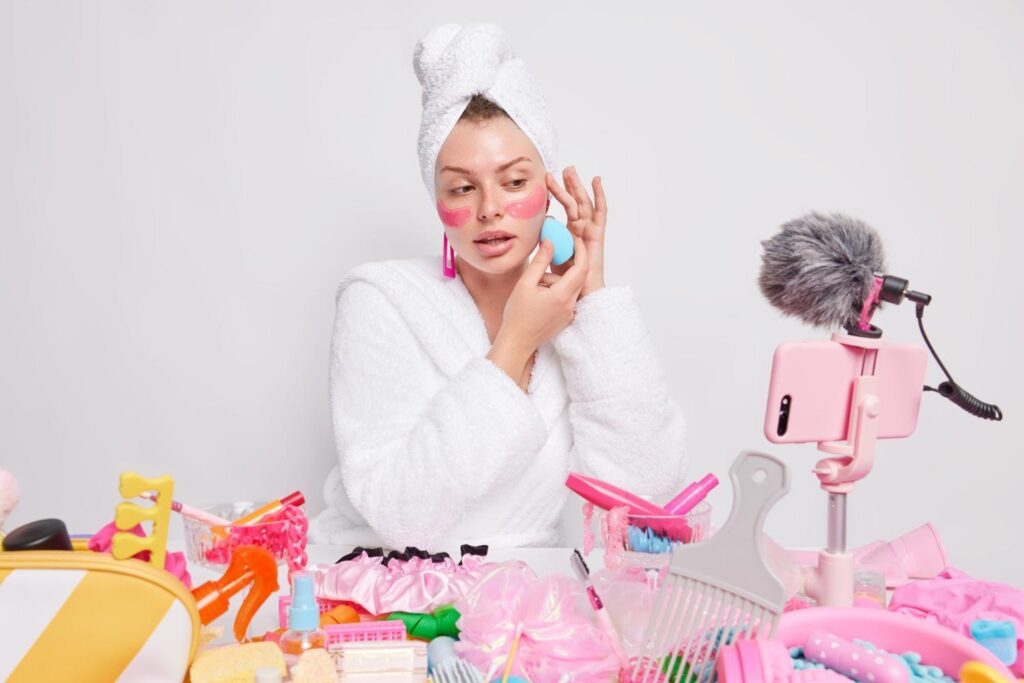
Image by wayhomestudio on Freepik
Platforms like TikTok and Instagram accelerated this transformation. Beauty influencers who once focused solely on tutorials now incorporate wellness context. Skincare routines include discussions about diet. Haircare conversations reference iron levels. Acne posts mention insulin spikes.
This blending of beauty and biology reflects a broader appetite for depth. Audiences want to understand the “why” behind the glow.
At the same time, social media’s fast pace creates tension. Misinformation spreads easily. Oversimplified hormone advice can circulate widely. That reality makes credible, professional insight even more valuable.
The smartest voices online tend to emphasize balance: internal care supports external results, but neither replaces the other.
The Cultural Rebrand of Self-Care
Self-care once meant face masks and bubble baths. Now it includes lab panels, cycle tracking apps, strength training programs, and strategic supplementation. The aesthetic element remains, but it is layered over data awareness.
This cultural rebrand signals maturity. Instead of reacting to visible symptoms alone, individuals are proactively managing underlying factors.
Hormonal health support and thoughtful beauty maintenance coexist within this new framework. It is not about choosing between nutrition and mascara, between metabolic balance and lash extensions. It is about integration. Beauty routines begin in the kitchen, the gym, the doctor’s office, and continue at the vanity.
The Future of Beauty Is Hybrid
The next evolution of beauty will likely deepen this integration. Personalized nutrition plans may sync with skincare recommendations. Wearable data may inform cycle-specific product use. AI-driven diagnostics could recommend both dietary adjustments and topical treatments simultaneously.
The line between wellness and beauty is blurring permanently.
What remains constant is the consumer’s growing expectation of intelligence. Smart self-care demands understanding. It rewards brands and professionals who provide context rather than quick fixes.
In this new era, glow-ups are not just about better lighting or stronger lashes. They are about informed choices, sustainable habits, and a willingness to look beneath the surface.
Beauty has not become less fun. If anything, it has become more powerful, because it now acknowledges that the most visible transformations often begin invisibly. And that may be the most sophisticated trend of all.