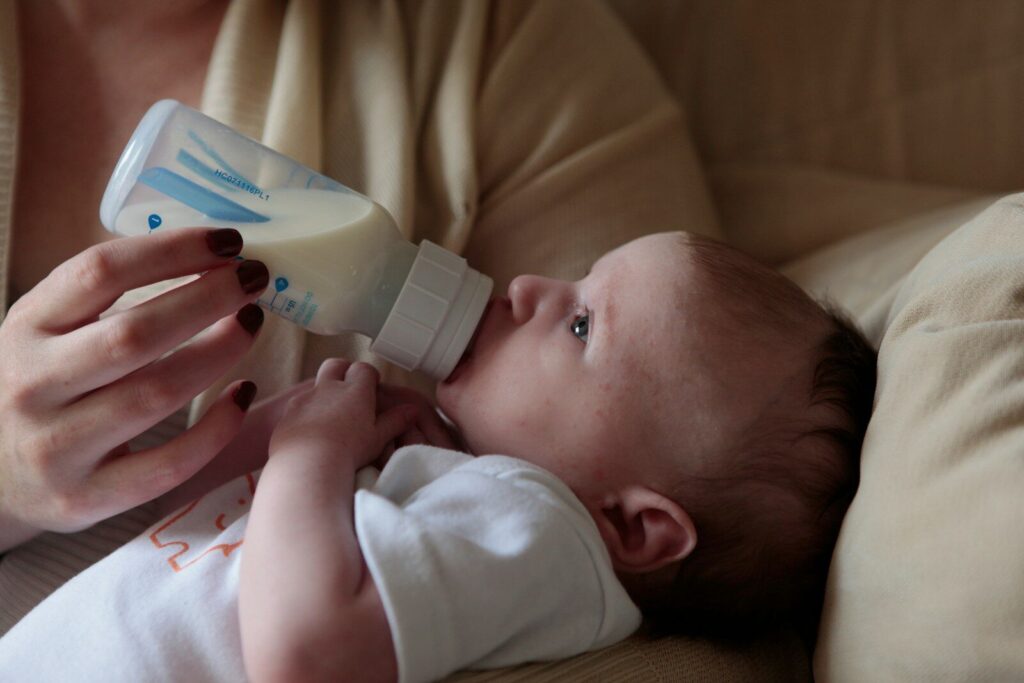
Warming up milk is what all mothers do. Some families will use a bottle warmer to do surface soft operation, at any time. But not everyone has one at home. Sometimes you are traveling. Other times you simply want a simpler method.
But then one day you might find yourself saying – what can I use instead of a bottle warmer? The good news is that there are many safe and simple ways of warming milk without any special equipment. Most of these are things that you should have in your kitchen already.
Why Some Parents Skip a Bottle Warmer
Bottle warmers can be convenient. However, they are not really necessary when it comes to feeding a baby. For many practical reasons, a family decides to warm milk the other way around.
Here are some of the most common:
- Travel or outings: Often, outside the house, electricity may not be available.
- Saving space: In some small kitchens or shared spaces couples have to live with appliances one on top of another.
- Simple routines: There are some parents who prefer straightforward and traditional methods that do not tie up the baby’s body with yet another device.
- Budget concerns: A bottle warmer is handy, but it is not always essential.
Another important point to remember is that a baby can drink milk at room temperature and quite a few are willing to take cold milk from the refrigerator. If your baby will accept this, there is not always need to warm milk.
However, many babies like to have milk warmed up because it feels closer to fresh breast milk.
Warm Water Method Instead of a Bottle Warmer
One of the easiest answers to the question “what can I use instead of a bottle warmer?” is the warm water method. This approach has been used by parents for many years because it is gentle and simple.
How it works
Instead of boiling milk directly, just put your baby’s bottle in warm water. The heat will slowly come up the sides of the bottle itself, warming that nutritious drink inside up nicely for you.
What you need
- A bowl, mug, or small pot.
- Warm water (but not boiling).
- The baby bottle.
Basic process
- Fill a bowl with tap warm water.
- Put the bottle into the water, making sure that no water goes over its cap.
- Leave it for a minute or few.
- Gently shake (or swirl) the bottle to mix up the milk evenly. Loose liquid will be on bottom, while cream rises to top.
Why this method works well
- It heats the milk slowly, helping to preserve nutrients in breast milk.
- It lowers the risk of overheating.
- It takes advantage of what most homes already have whether they’re actually set up or not.
Helpful tips
- Always check the temperature of milk before feeding.
- Avoid hot spots by shaking or swirling lightly.
- Replace the warm water with fresh water if the bottle goes cool after reaching desired temperature.
This method is often recommended by healthcare professionals because it is simple to follow and safer provided you do so cautiously.
Using Running Water to Warm Baby Bottles
Another easy option is running warm water over the bottle. This method is quick and helpful when you do not want to prepare a bowl of water.
How it works
The bottle is held under warm running tap water while you rotate it slowly. The warm water heats the bottle from the outside.
Steps many parents follow
- First is to turn on the faucet as warm and not hot.
- Hold the bottle under the stream
- Slowly, rotate bottle so all sides are warmed evenly.
- Go on for a few minutes until milk reaches the temperature you want.
Why some parents like this method
- It is fast and convenient.
- No extra containers are needed.
- It works well during nighttime feedings when you want something simple.
A few things to watch
- Avoid hot water because it may overheat the milk.
- Do not let water touch the nipple opening.
- Always test the milk temperature before feeding.
Running water works best for small bottles or slightly chilled milk because it warms quickly.
Safe Bottle Warming Tips Without a Bottle Warmer
No matter which method you choose, safety always comes first when warming milk for a baby. Milk that becomes too hot can destroy nutrients or burn a baby’s mouth.
Here are simple safety reminders that help keep feeding safe.
Never use a microwave
Microwaves heat unevenly. This can create hot spots in the milk even if the bottle feels cool outside. Those hot spots may burn a baby’s mouth.
Always test the temperature
Before feeding:
- Drop a small amount of milk on your wrist.
- The milk should feel slightly warm, not hot.
Swirl the bottle
Gently swirl the bottle to mix the milk. This spreads the heat evenly and prevents warmer spots.
Avoid boiling water
Very hot water can damage nutrients in breast milk. Warm water is enough to raise the temperature safely.
Watch the bottle parts
Make sure the bottle is tightly closed before warming. Water should never get inside the bottle.
Use the milk soon after warming
Once milk is warmed:
- Feed it within a short time.
- Do not repeatedly heat the same milk.
These small habits help protect both your baby and the quality of the milk.
When a Bottle Warmer May Still Be Helpful
Even though simple methods work well, there are times when a bottle warmer can make feeding much easier.
Some families prefer a bottle warmer because it offers:
- Consistent temperature every time
- Faster warming, especially for refrigerated milk
- Less guesswork during late-night feedings
- Extra functions like defrosting frozen breast milk
If you warm bottles many times a day, a warmer can save time and make your routine smoother.
For example, a product like the Momcozy breast milk bottle warmer is designed to warm milk gently while keeping the temperature controlled. Devices like this often include settings for breast milk and formula, which helps prevent overheating.
Many parents also find them useful when:
- Feeding twins or multiple babies
- Pumping and storing breast milk regularly
- Managing busy schedules
While it is not required, a warmer can be a helpful tool in daily feeding routines.
Conclusion
If you are asking yourself, “what can I use instead of a bottle warmer”, maximum liability will not work out. Some parents warm bottles by placing them in a warm water bath or holding them under the hot tap. These methods are simple to carry out, won’t harm the milk at all and don’t involve any further kitchen tools.
The critical thing is to heat the milk up slowly, not to use very hot water and always test the temperature before giving it to your baby. For families who make bottle warmings many times each day, a dedicated option like the Momcozy breast milk bottle warmer is to execute the process the same way each time and at high speed.
But whether you use a warmer or a simple method at home, it doesn’t matter as long as it ‘s safe at a reasonable temperature for you as well as him.