
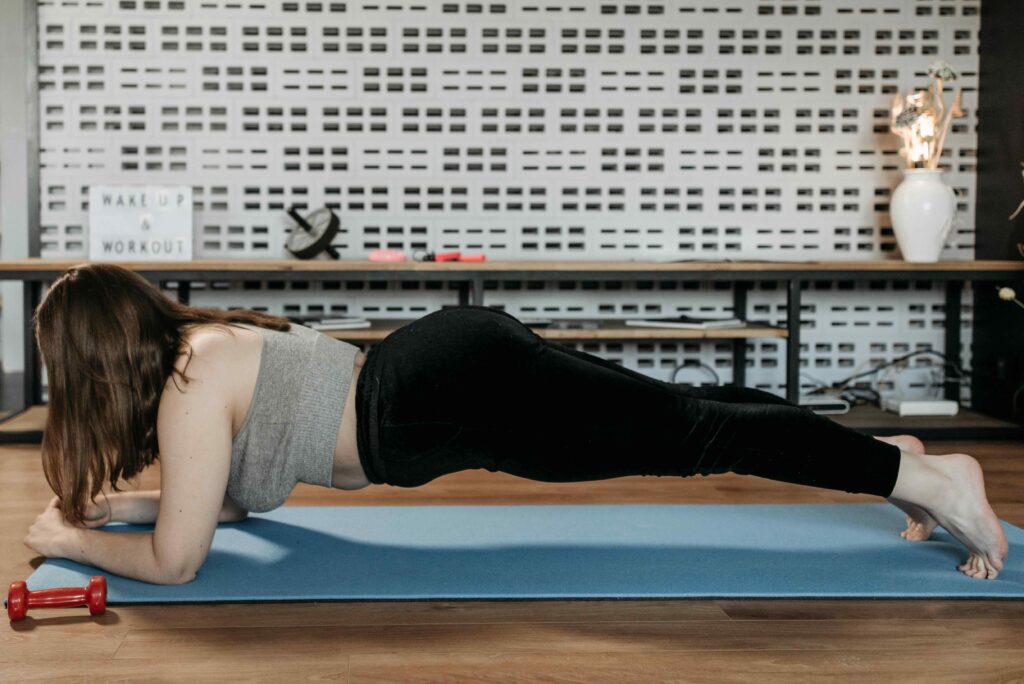
Busy student life can feel like a nonstop treadmill. You wake up early, rush to class, sit through lectures, study for hours, and somehow still try to have a social life. By the middle of the day, your energy often disappears. Sound familiar? The good news is that you do not need a full gym session or a 90-minute fitness class to feel better. In fact, quick 10-minute workouts can boost busy student energy levels fast and help you stay alert, focused, and motivated.
That is the magic of short movement sessions. They are like pressing a refresh button for your body and brain. Even when your schedule looks packed from morning to night, ten minutes is usually possible. More importantly, those ten minutes can make a real difference. They can wake up your muscles, increase blood flow, sharpen your concentration, and lift your mood.
In this article, we will explore why students often feel tired, how short workouts improve energy, and which 10-minute routines work best. You will also learn how to fit exercise into a tight academic schedule without feeling overwhelmed. Let’s get into it.
Why Busy Students Often Feel Tired So Quickly
Student life may not always look physically demanding, but it drains energy in many sneaky ways. First of all, long hours of sitting can make your body feel sluggish. When you stay at a desk for too long, your muscles become inactive, your posture gets worse, and your circulation slows down. As a result, you feel heavy and sleepy, even if you have not done anything “hard.”
At the same time, mental work can be deeply draining. Reading, writing essays, solving problems, and preparing for exams demand continuous focus and effort. That’s why students think, “Where can I pay someone to write my paper for transparent pricing?” and it can actually be a smart way to regain balance, learn from experts, and maintain strong academic performance. Just like closing a few background apps helps your phone run longer, getting the right support helps your mind recharge and work at its best.
Sleep problems also play a big role. Many students stay up late scrolling on their phones, finishing assignments, or worrying about deadlines. Then they wake up early for classes. This cycle creates the perfect recipe for low energy. Add stress, caffeine crashes, and irregular meals, and it becomes even harder to stay fresh throughout the day.
That is exactly why short workouts matter. They interrupt the fatigue cycle. Instead of letting your body sink deeper into tiredness, movement gives it a fast signal to wake up. It is not about becoming a fitness model overnight. It is about giving your system a small but powerful push when you need it most.
How Quick 10-Minute Workouts Boost Student Energy So Fast
The best part about a 10-minute workout is its speed. You do not need to wait weeks to notice benefits. In many cases, you feel more awake right after the session ends. Why does this happen? Because your body responds to movement almost immediately.
When you exercise, your heart starts pumping faster. This sends more oxygen-rich blood to your muscles and brain. Suddenly, you feel less foggy and more present. It is like opening the curtains in a dark room. Everything becomes clearer.
Short workouts also help reduce stress hormones. When you are overwhelmed with deadlines, your body can stay stuck in tension mode. A quick burst of movement helps release that tension. Even a few minutes of squats, jumping jacks, or brisk walking can improve your mood and make your tasks feel more manageable.
Another big advantage is momentum. Once you move, you often want to keep making better choices. A short workout can lead to more productive study time, better posture, improved confidence, and even healthier eating during the rest of the day. Ten minutes may seem small, but it can create a ripple effect.
Your Body Wakes Up in Minutes
You do not need a long session to feel your body come alive. A quick workout raises your heart rate and activates major muscle groups. This increases circulation and helps fight the sleepy, stiff feeling that comes from too much sitting.
For students, this is especially useful between classes or before a study session. Imagine trying to focus on your notes when your body feels like wet cement. Now compare that to studying after a short burst of movement. Your limbs feel lighter, your breathing becomes deeper, and your body feels switched on.
That fast physical change matters. When your body feels more active, your mind often follows. Energy is not only about how much sleep you got. It is also about how ready your system feels to take action.
Your Brain Gets a Study-Friendly Reset
Exercise does not only help muscles. It also gives your brain a fresh start. Short workouts can improve alertness, memory, and concentration, which are all essential for students. If you have ever read the same sentence five times without understanding it, you know what mental fatigue feels like.
A 10-minute workout can break that mental wall. It clears the fog and helps you return to your work with a stronger focus. Think of it like rebooting a slow laptop. The machine is still the same, but it runs better after a reset.
This is one reason active study breaks work so well. Instead of scrolling on social media during a break, moving your body can leave you feeling more refreshed and less distracted. That is a much better deal, especially during exam season.
Best 10-Minute Workouts for Busy Students
Not every student wants the same kind of workout, and that is perfectly fine. Some people want something intense. Others prefer low-impact movement that still boosts energy. The key is choosing something simple, effective, and easy to start without a lot of equipment.
One great option is a bodyweight circuit. For example, you can do 40 seconds of squats, 20 seconds of rest, then move to push-ups, mountain climbers, lunges, and plank holds. Repeat the circuit twice, and you have a full 10-minute session. It is fast, practical, and works almost anywhere, including a dorm room.
Another smart choice is a cardio burst workout. March in place, do high knees, jumping jacks, skaters, and fast toe taps. This kind of routine quickly raises your heart rate and can shake off sleepiness in the morning or afternoon. It is like splashing cold water on your whole system, but in a more useful way.
If you feel stressed or stiff, try a mobility-focused session. Arm circles, hip openers, bodyweight good mornings, deep squats, and stretching flows can improve energy without leaving you exhausted. This type of movement is perfect before long study blocks because it wakes up the body gently.
Dance workouts also deserve attention. Put on one or two upbeat songs and move freely. You do not need perfect choreography. You just need motion. Dancing can lift your mood, reduce stress, and make exercise feel less like a task and more like a mini celebration.
Finally, stair workouts are excellent for students on campus. Walk or jog up and down stairs for ten minutes, or combine stairs with step-ups and calf raises. This option is simple, effective, and ideal if you are between classes and need a quick energy boost.
How to Fit 10-Minute Workouts into a Packed Student Schedule
A common mistake students make is waiting for the “perfect” time to work out. But let’s be honest. Perfect time rarely appears. Between deadlines, lectures, group projects, and part-time jobs, your schedule may never feel open. That is why short workouts are so valuable. They fit into real life.
The easiest method is to attach a workout to something you already do. For example, exercise right after waking up, before your shower, after lunch, or before your evening study session. This creates a habit loop. You no longer need to debate whether to work out. It becomes part of your routine.
Another useful strategy is treating movement like an academic appointment. You already schedule classes and assignment deadlines, so why not schedule 10 minutes for your energy too? When you block it into your calendar, it becomes more real and less optional.
You can also use workouts as transition tools. Do a quick session after class to reset your brain before homework. Use one before a presentation to release nervous energy. Try one in the late afternoon instead of reaching for another sugary snack or extra coffee. These little transitions can change the tone of your entire day.
Most importantly, keep your expectations realistic. Ten minutes is enough. You do not need a perfect outfit, a gym membership, or a huge amount of motivation. Start messy. Start tired. Start with only one round if needed. Something is always better than nothing.
Mistakes to Avoid When Using Short Workouts for Energy
Although quick workouts are powerful, some students use them in ways that do not help much. One mistake is going too hard every single time. If your 10-minute session leaves you completely drained, you may not feel more energetic afterward. The goal is to boost energy, not destroy it.
Another mistake is being inconsistent. Doing one workout on Monday and then forgetting about movement for two weeks will not create much change. The real power of short workouts comes from repetition. A little movement done often beats a long session done rarely.
Students also forget the basics around exercise. If you are dehydrated, hungry, or severely sleep-deprived, no workout can fully replace rest and proper care. Exercise helps, but it works best as part of a bigger energy routine. Drink water, eat balanced meals, and protect your sleep when you can.
It is also easy to overcomplicate things. Some students spend more time searching for the “best” workout than actually moving. Do not fall into that trap. The best workout is the one you will actually do today. A simple routine done now is far better than a perfect plan delayed forever.
A practical weekly approach could look like this: do a cardio session on Monday, a bodyweight circuit on Tuesday, a mobility routine on Wednesday, dance on Thursday, and a stair workout on Friday. Over the weekend, take a walk or do gentle stretching. This keeps things fresh without requiring much planning.
In the end, quick 10-minute workouts boosting busy student energy levels fast are not just a trendy idea. They are a realistic, effective solution for modern student life. When your days feel crowded and your brain feels overloaded, short bursts of movement can bring you back to life. They wake up your body, sharpen your focus, and help you handle your responsibilities with more strength and less stress. You do not need hours, expensive gear, or perfect motivation. You just need ten honest minutes and the decision to start. For a busy student, that small step can be the spark that lights up the whole day.