There was a time when “treat yourself” meant ordering dessert after dinner or buying something small after a difficult week. It was supposed to be an occasional reward, a playful excuse to enjoy life without overthinking it.
Somewhere along the way, the treat became a lifestyle.
Now, self-care can look like a 12-step skincare routine, a monthly massage, a new matching workout set, a weekend getaway and a delivery order because cooking would supposedly interfere with your peace. None of those things are inherently bad. The problem is that they are increasingly presented as basic requirements for feeling rested, attractive and emotionally stable.
That is a lot of pressure for something that is supposed to reduce stress.
Self-Care Became Something You Could Buy
Self-care was not always so visually impressive. Sometimes it meant getting enough sleep, turning down an invitation or finally making the appointment you had been avoiding. These choices were useful, but they did not create particularly exciting content.
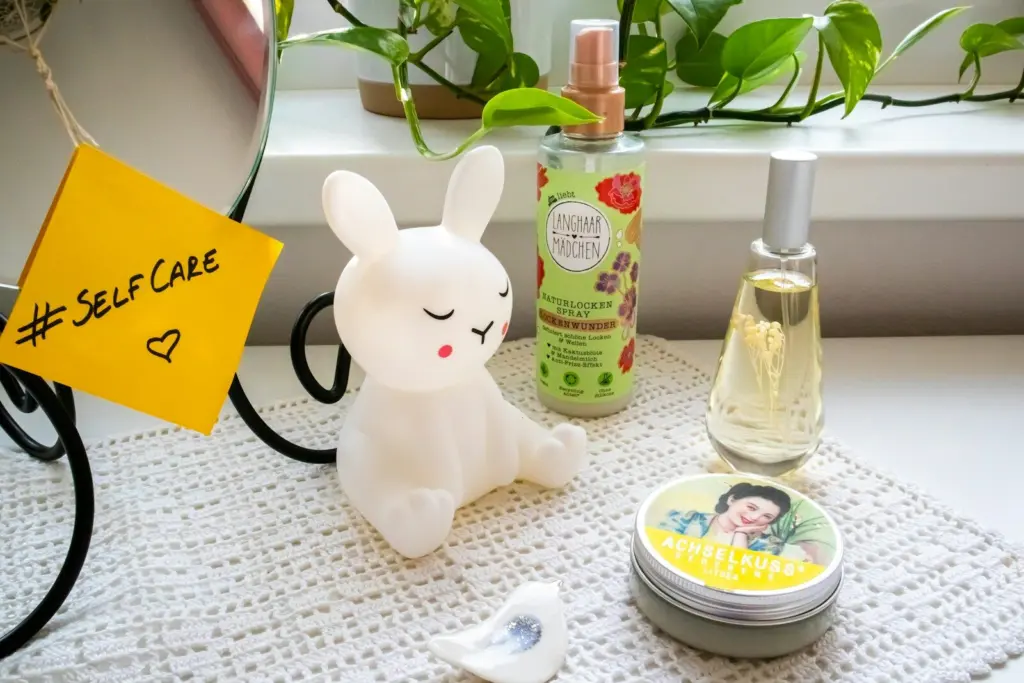
A quiet night at home does not photograph as well as a candlelit bath surrounded by luxury products. Taking a walk is less marketable than joining an expensive wellness studio. Setting a boundary does not come with an affiliate link.
Brands quickly learned that self-care was an effective way to sell ordinary products as emotional necessities. A face cream was no longer just a face cream. It was an act of self-respect. A vacation was not simply time away. It was proof that you were prioritizing yourself.
The message was appealing because it gave spending a deeper purpose. You were not wasting money. You were investing in your well-being.
Convenient, right?
Social Media Makes Every Indulgence Look Essential
Social media has made it harder to separate an occasional luxury from a normal routine. Open TikTok or Instagram and you may see someone getting a blowout, attending Pilates, buying an iced coffee, replacing their wardrobe and flying to another city, all before the day’s second sponsored post.
These moments are rarely presented as unusual. They are framed as habits anyone can adopt with enough discipline, confidence or commitment to becoming their “best self.”
Of course, viewers do not always know which products were gifted, which trips were sponsored or which purchases were placed on a payment plan. They simply see a polished lifestyle and compare it with their own Tuesday afternoon.
When enough people participate, indulgence starts to feel less optional. Skipping a trendy restaurant or delaying a beauty appointment can feel like falling behind, even when the expense was never part of your budget in the first place.
The Emotional High Does Not Last Very Long
There is a reason retail therapy feels good. Buying something provides a quick sense of possibility. The new outfit could make you more confident. The expensive planner could finally make you organized. The wellness retreat could transform you into someone who wakes up early and drinks lemon water without resenting it.
For a moment, the purchase feels like progress.
Then the package arrives, the novelty fades and daily life continues. If the purchase was impulsive, it may be followed by guilt or anxiety. That discomfort can create another desire for relief, which may lead to more spending.
This is where “treat yourself” culture becomes exhausting. The reward is supposed to make life easier, but constantly looking for the next reward becomes another responsibility.
When the Treat Creates More Stress
One expensive dinner will probably not derail a person’s finances. The larger problem is repetition. Several small indulgences can quietly become fixed monthly expenses, especially when subscriptions, payment plans and saved card details make spending nearly effortless.
There is also a difference between buying something with available money and borrowing for it. Before financing a major personal purchase, it is sensible to review your budget, current balances and credit score so that a temporary reward does not create months of additional pressure.
That does not mean every purchase needs to become a serious financial summit. People are allowed to enjoy their money. Still, a treat stops feeling generous when it interferes with rent, savings or the ability to handle an unexpected expense.
A Treat Does Not Have to Be Content
The internet has given self-care a recognizable aesthetic, but real rest does not need to look good on camera.
A treat can be putting your phone in another room. It can be making a favorite meal, canceling plans without inventing an elaborate excuse or spending an afternoon doing absolutely nothing productive. It might involve money, but it does not have to.
The most restorative choices are often ordinary. They do not announce personal transformation. They simply make the day a little easier.
This may be why they are frequently ignored. There is no dramatic reveal and nothing to unbox. You cannot build much anticipation around going to bed on time.
Still, that may be exactly what some people need.
Enjoyment Works Better Without the Performance
Rejecting “treat yourself” culture does not require giving up shopping, travel, beauty treatments or expensive meals. The goal is not to remove every pleasure until life becomes a spreadsheet.
It is about knowing the difference between something you genuinely enjoy and something you feel pressured to perform.
A planned purchase can be exciting. An occasional splurge can create a great memory. Problems appear when spending becomes the default response to stress or the main way someone proves they are taking care of themselves.
Self-care should leave you feeling better after the moment has passed. It should not create another bill, another expectation or another online standard you have to maintain.
Sometimes treating yourself means buying the thing. Sometimes it means realizing you never wanted it until everyone else had it.