Music
Fortnite Concerts vs Real-World Shows: Two Different Ways to Experience an Artist

11 Nov
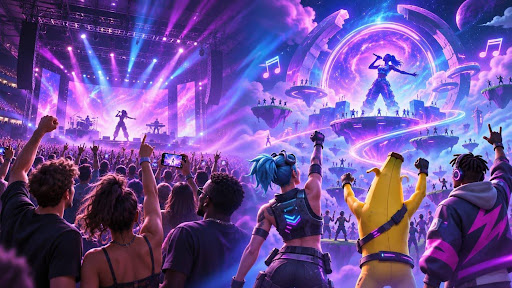
At a physical concert, the lights drop, the crowd starts screaming, and somebody immediately lifts a phone into your line of sight. At a Fortnite music event, the scenery might transform around you while your friend attends as a walking banana.
Both can become a memorable fan experience. For anyone exploring artist outfits and comparing fortnite vbucks options, though, it helps to separate the merchandise from the performance. Buying a cosmetic and attending an event are different decisions; check the event’s actual access requirements.
Fortnite’s artist events invite a comparison with concerts, but judging them only by how closely they recreate an arena misses their appeal. A virtual performance can use music to build an impossible world. A real-world show gives you the unpredictable energy of people sharing an actual room.
Here is where each experience shines.
The spectacle: stagecraft meets impossible scenery
Live shows turn practical limitations into creative decisions. Lighting, video screens, choreography, costumes, and stage architecture give a performance its visual identity. Even an enormous production has to consider the venue, equipment, and people operating it.
Fortnite can treat the entire environment as part of the production. Scale, location, and movement can change in ways a physical stage cannot reproduce.
Ariana Grande’s 2021 Rift Tour, for example, took players through fantastical environments rather than presenting a straightforward digital arena show.
That changes the creative question. Instead of asking what belongs behind the artist, a virtual event can ask what kind of world belongs inside the music.
The performance: presence has different meanings
At a real-world show, a held note, improvised comment, or unexpected audience exchange can become the moment everyone discusses afterwards. Fans respond to an artist making choices in front of them.
A Fortnite event can create another kind of presence through an avatar, animation, and an environment organised around the artist’s identity.
It is worth distinguishing that presentation from a promise of live vocals or spontaneous interaction. A scheduled digital event can feel communal while still being a produced audiovisual experience.
The comparison is closer to asking what you enjoy about an artist: their live interpretation, their visual imagination, or the opportunity to enter a world built around their songs.
The crowd: shared space or shared connection?
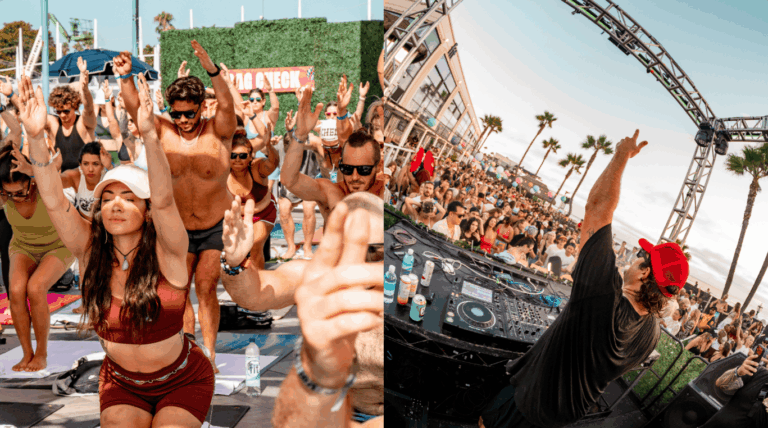
Physical crowds have their own soundtrack. There is the scream when a favourite song begins, the uneven singalong, and the stranger beside you who somehow knows every backing vocal.
Virtual events place more emphasis on the group you bring. Friends can talk through their reactions while their characters occupy the same environment, even when they are geographically separated.
Neither experience guarantees a perfect social night. A crowded venue can feel lonely, while a lively voice chat can make a screen feel surprisingly social.
The useful distinction is between sharing a physical atmosphere and deliberately assembling your own little audience. Different moods can make either appealing.
The access: getting there takes different preparation
A physical concert may involve travel, tickets, accommodation, and coordinating everyone’s schedule. For some fans, the journey becomes part of the story. For others, those requirements make attendance difficult.
A digital event shifts the preparation towards devices, accounts, downloads, connection quality, and checking the schedule.
Repeated showtimes can also offer flexibility. The original Rift Tour ran across five scheduled performances over three days, although future events should be checked individually.
Convenience still needs context. Joining from home can remove a journey, but technical problems can interrupt the experience. Updating the game before an event serves much the same purpose as checking your route before leaving for a venue.
The merch: something to wear afterwards
Concert merchandise extends the experience beyond the final song. A shirt becomes an everyday reminder of the show and a way to recognise fellow fans.
Artist-related Fortnite cosmetics can serve a similar expressive purpose inside the game. Before purchasing currency, confirm that the item you want is currently available and check its price.
When browsing GameBoost, review the specific offer’s delivery process and conditions. Buying currency does not guarantee that a previously released artist item is currently obtainable.
Digital merchandise works best as a choice you actually want to use, rather than an assumed requirement for being a fan.
The memory: an evening or an impossible image?
A real-world show can leave you remembering the walk home, the encore, or the moment a whole room sang together. Fortnite can leave a striking visual memory: somewhere you travelled through with friends that could never exist outside the game.
Your preferred experience may depend on the artist and the occasion. Some nights call for the physical rush of a live performance. Others suit a headset, a group chat, and an extravagant digital adventure.
For music fans, having another way to participate gives the conversation more possibilities.