Does your hair seem to reject every product you put on it? You apply a little oil expecting softer, shinier strands, only to end up with hair that feels heavy, greasy, or coated. The problem may not be the oil itself. You may simply need to choose and use the right oils for low porosity hair.
Low-porosity hair has tightly packed cuticles, which can make it harder for water and products to move into the hair shaft. That means piling on heavier products isn’t necessarily the answer. In fact, your hair may simply need less product and a smarter application technique.
Which Oils for Low Porosity Hair Are Worth Trying?
Applying oil to low porosity hair might seem to have no effect as the product barely gets through. However, that doesn’t mean you need to eliminate every oil from your haircare routine. The trick is experimenting with lighter options and seeing how your individual hair responds.
Jojoba oil is usually a good place to start. This light oil, which technically is more like liquid wax, works perfectly on thinner hair. It helps soften hair and provide conditioning without giving a heavy, greasy finish.
Batana oil is another option if you want a little shine and softness. It contains fatty acids and antioxidants and is commonly used as a conditioning ingredient.
Grapeseed oil is also worth experimenting with. Lightweight oils can be useful when you want to smooth and condition hair without leaving a thick coating behind.
And then there’s coconut oil, the classic hair-oiling favorite. It has a relatively low molecular weight and can penetrate the hair shaft, which makes it different from oils that mainly sit on the surface. However, that doesn’t mean everyone with low-porosity hair will love it. For some, it can make the strands feel stiff and greasy.
Your Application Method Matters More Than You Think
A lot of people treat oil as a standalone moisturizer. They apply it to dry hair and wait for the magic to happen.
It’s important to understand that oil conditions hair by reducing moisture loss. For moisture, however, you need water. So, the best way to oil low porosity hair is to apply a small amount to damp hair after washing or conditioning.
Warmth can also make a difference. Applying products to warm, damp hair may help the cuticle become more receptive, which is one reason gentle heat is sometimes recommended during conditioning treatments for low-porosity hair.
Stop Measuring Hair Oil by the Spoonful
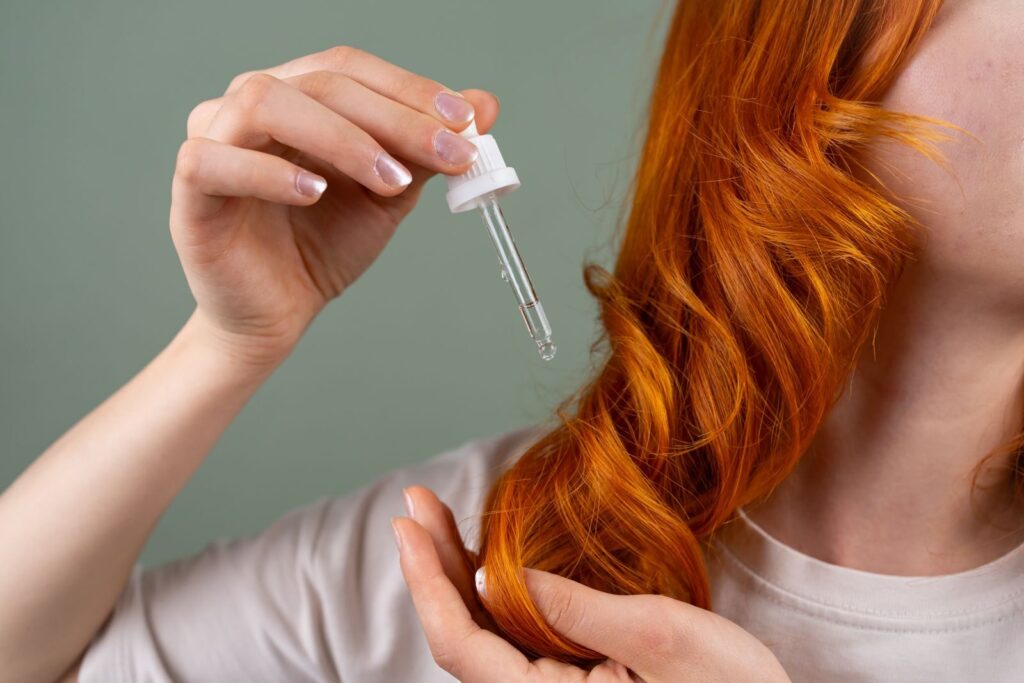
When it comes to low-porosity hair, more isn’t always better. Sometimes only a few drops are enough. Rub the oil between your palms first, then smooth it lightly over the mid-lengths and ends. If you feel the need, add another drop or two later. That’s much better than having to wash out half a bottle of oil from your hair in the shower.
Also, always choose high-quality natural carrier oils, such as this high-quality batana oil from Wholesale Botanics or other natural oils from reputable sources. These lightweight oils can be used on their own, blended into a hair treatment, or incorporated into a formulated product depending on what your hair needs.
A Simple Routine for Happier Low-Porosity Hair
You don’t need a ten-step routine to make low-porosity hair behave.
Start with a thorough but gentle cleanse to prevent buildup. Follow with a lightweight conditioner on wet hair. If you’re using an oil, apply a small amount while your hair is still damp rather than coating every strand until it shines like glass.
Then pay attention. Does your hair feel soft? Keep going. Does it feel greasy or coated? Use less. Does one oil consistently leave your hair limp? Try another.
If your hair suddenly stops responding to products that once worked beautifully, consider buildup. Low-porosity hair can be particularly frustrating when too much product accumulates on the surface, making everything you apply afterward seem ineffective.
Finding the Right Oils for Low Porosity Hair Can Be Hard
There isn’t one magical oil that every low-porosity head will love. Hair thickness, texture, curl pattern, scalp condition, climate, and your existing routine all matter.
That’s why the best approach is less about finding the perfect bottle and more about finding the combination your hair actually enjoys. Start small. Keep things lightweight. Apply oil to damp hair. Give your strands time to respond before adding another product.