Netflix
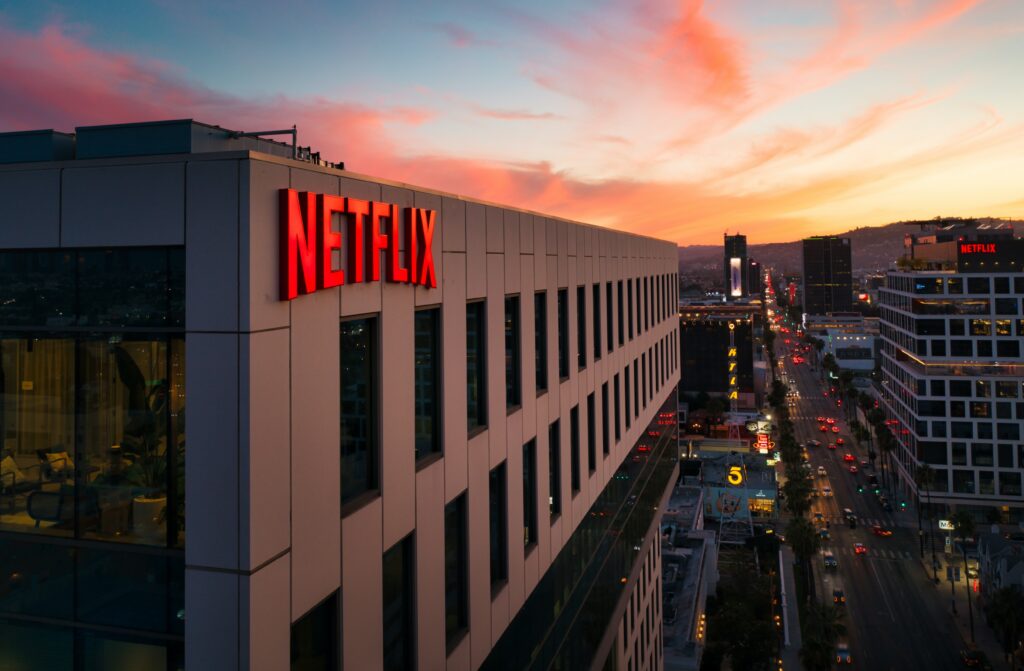
Photo by Venti Views on Unsplash
The Netflix and Warner Bros. deal is the biggest story in entertainment now and it is moving fast. Netflix announced its plan to acquire Warner Bros. Discovery’s studio and streaming assets, including HBO and HBO Max, in a deal valued at around 83 billion dollars.
Game of Thrones, Harry Potter, the DC universe, Friends, The Sopranos, and the entire Warner Bros. film catalogue sitting under one roof alongside Stranger Things and Squid Game. It is a genuinely staggering amount of content concentrated in one place.
The deal is still working through regulatory approval and is not expected to close until the third quarter of 2026, but the direction of travel is obvious. Streaming is consolidating. The fragmented, pick-your-platform era that defined the last decade is giving way to something more concentrated, and the people who understand that shift earliest are the ones who benefit most from it.
Being Early Has Always Been the Move
There is a pattern that runs through every major shift in entertainment culture. The people who engage first, before a thing becomes universal, get something the latecomers do not. They get the best version of the experience at the lowest cost. They get to say they were there before everyone else. And in practical terms, they get the most generous terms before the market catches up and those terms disappear.
Think about how streaming itself played out. The people who got on Netflix in 2012 paid eight dollars a month for a library that felt unlimited. The people who joined in 2024 paid nearly 23 dollars for a plan that still had ads. The content got better, but the deal got worse. That is how entertainment markets work. Early access rewards early engagement, almost without exception.
The Netflix and Warner Bros. situation is a live example of the same dynamic. As Time reported when the deal was announced, the combined platform would give Netflix ownership of rival streaming content alongside its own, positioning it as the dominant home of premium content worldwide.
Anyone paying attention to where this is heading can see that platform decisions made now, before the deal closes and prices shift, are going to look very different from the ones made after.
The Same Logic Runs Through Every Category
Streaming is not the only space where early movers are getting materially better deals than people who wait. Online casino platforms have been running the same playbook for years, building their user base by front-loading value for new sign-ups in a way that later entrants simply do not get access to.
The bonus offer structure at most licensed online casinos is genuinely generous right now because the market is still in a competitive growth phase. Platforms are fighting hard for new users, and the way they fight is through upfront incentives: deposit matches, free spins, and welcome packages that can add up to hundreds of dollars in additional play value. These are not loyalty rewards for existing customers. They are acquisition tools aimed specifically at people who have not signed up yet.
What makes this interesting from an early mover perspective is the rotation. These offers do not stay static. A deposit match that runs at 100 percent this week might drop to 50 percent next month once the platform has hit its acquisition targets. A welcome package that includes 200 free spins today might be down to 50 by the time the same platform is running a tighter budget. The window where the most generous version of any given offer is live tends to be short, and it closes without announcement.
Knowing what is available across multiple licensed platforms at any given moment is genuinely useful information for anyone who engages with online gaming, and the offers shift often enough that checking in regularly actually makes a difference.
A detailed feed tracking latest bonus offers across licensed platforms, updated daily, gives a real-time picture of what is on the table right now rather than what was available six weeks ago. The value of that resource is the same as monitoring what Netflix is doing with pricing before you commit to a plan. Moving when the offer is at its peak is not complicated, it just requires knowing that the peak exists.
The Consolidation Window Is the Best Time to Explore Your Options
There is something useful about periods of consolidation and change in entertainment. The market is disrupted enough that new options are genuinely competing for attention, which means the terms on offer for new entrants are at their most competitive. Once the dust settles and a few dominant players have locked in the market, those terms tighten.
The Netflix and Warner Bros. deal will not close overnight. The regulatory process alone takes months, and the integration of two massive content libraries will take longer still. That window is an opportunity for anyone who pays attention to entertainment to think seriously about where they are spending, what they are getting, and whether they are taking advantage of the competitive offers that exist right now before the market settles.