
Over the past two decades, South Korea has become one of the world’s most recognized cultural exporters. What began as a regional wave of music and television has expanded into a full-scale aesthetic movement—one that shapes how millions approach fashion, beauty, design, and entertainment.
Today, that influence shows up in places consumers interact with daily, from streaming platforms featuring K-dramas to Korean botox supplied by MeamoShop and other online retailers specializing in Korean skincare products. This shift, often called hallyu (the Korean wave), is no longer limited to fan communities. It now influences mainstream industries across continents.
How K-Beauty Redefined Global Skincare Standards
South Korea’s beauty industry introduced a philosophy that prioritizes skin health over coverage. The multi-step skincare routine, which can include cleansing oils, essences, serums, and sheet masks, challenged Western beauty norms that leaned toward foundation-heavy approaches.
Several elements contributed to this shift:
- Ingredient transparency. Korean beauty brands emphasize what goes into their products and why. Consumers can trace ingredients like snail mucin, centella asiatica, and rice bran extract to specific skincare benefits.
- Affordable accessibility. Many K-beauty products sit at lower price points than their Western counterparts, making high-quality skincare available to a broader audience.
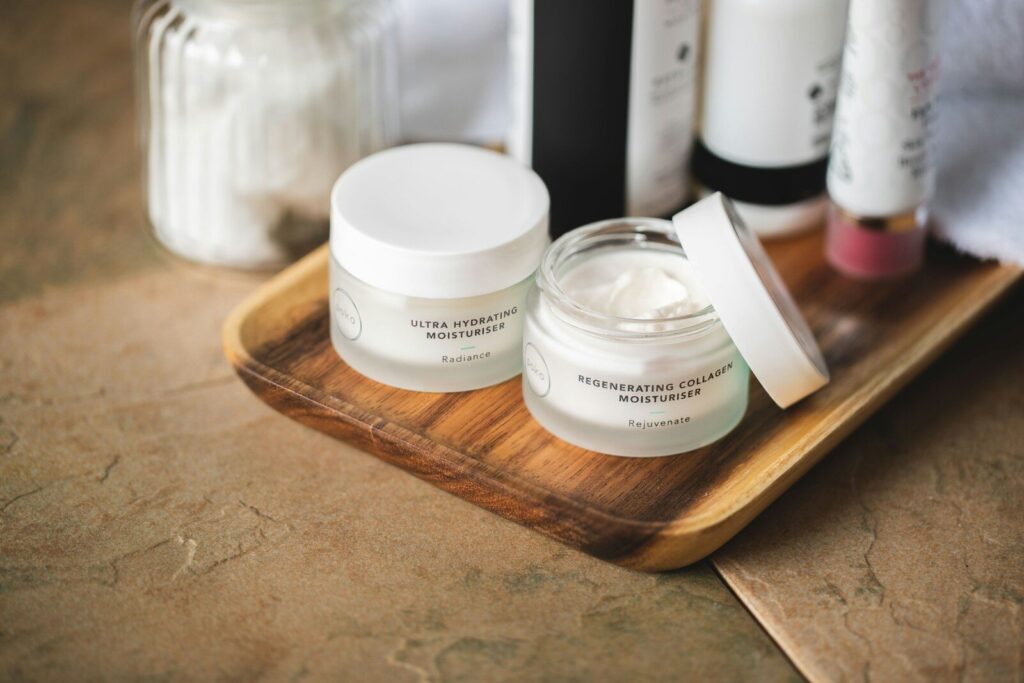
- Minimalist packaging. Clean, simple design became a brand identifier. The packaging itself communicates the brand’s focus on function over flash.
This approach resonated with consumers who wanted results without complexity or inflated pricing. It also pushed global competitors to reformulate products and adopt similar marketing transparency.
K-Dramas: Shifting Storytelling Expectations
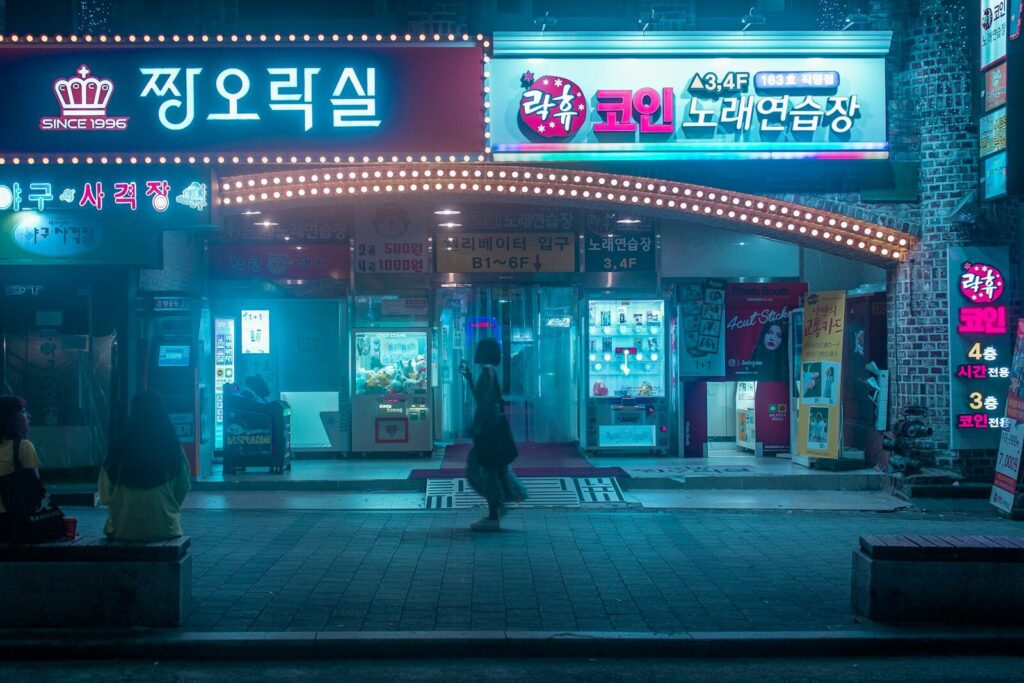
Korean television dramas have attracted viewers far outside Asia, largely through streaming platforms that removed language and geographic barriers. Shows like Squid Game, Crash Landing on You, and My Love from the Star found audiences in North America, Europe, Latin America, and the Middle East.
What distinguishes K-dramas from many Western series is structure. Most Korean dramas run for a single season of 16 to 20 episodes with a defined beginning, middle, and end. This format appeals to viewers who prefer complete narratives over indefinite renewals.
Beyond storytelling, K-dramas also function as vehicles for Korean aesthetics. Wardrobe choices, interior design, food presentation, and location settings all contribute to a visual language that viewers absorb and replicate. Fashion items worn by lead characters frequently sell out within hours of an episode airing.
K-Pop: Building a Global Visual Identity
K-pop is more than a music genre. It combines choreography, fashion, video production, and fan engagement into a unified brand for each artist or group. Acts like BTS, BLACKPINK, and Stray Kids have built international followings not just through songs but through a consistent visual identity across every touchpoint — from album packaging to stage design to social media content.
Several factors drive K-pop’s aesthetic influence:
- Concept albums. Each release often comes with a visual theme that extends to music videos, photo books, merchandise, and live performances.
- Fan participation. Fans create and share art, edits, and fashion inspired by their favorite artists, amplifying the aesthetic’s reach beyond official channels.
- Cross-industry collaboration. K-pop artists regularly partner with luxury fashion houses, cosmetic brands, and tech companies, blending entertainment with commercial design.
This model has influenced how artists in other markets approach branding. Releasing music within a curated visual world is now common across genres globally.
Korean Design Principles: Entering Everyday Life
Korean aesthetics extend beyond entertainment and beauty into architecture, product design, and food culture. The emphasis on clean lines, balanced compositions, and intentional use of space appears in everything from café interiors to smartphone interfaces.
South Korean tech companies have also played a role. Samsung and LG, among others, have shaped consumer expectations for device design, home appliances, and display technology. The preference for sleek, minimal hardware aligns with the broader Korean design philosophy that values restraint and purpose.
Even Korean cuisine has joined this aesthetic wave. The visual presentation of dishes like bibimbap and Korean fried chicken—with deliberate color contrasts and precise plating—reflects the same attention to form that defines Korean design in other categories.
What This Means for Global Culture
The rise of Korean aesthetics in pop culture signals a broader shift in how cultural influence operates. It is no longer top-down or limited to a single industry. Instead, it moves through interconnected channels — streaming platforms, social media, e-commerce, and fan communities — that reinforce each other. As Korean cultural exports continue to grow, their aesthetic principles are becoming embedded in global consumer expectations, from the products people buy to the stories they watch.