
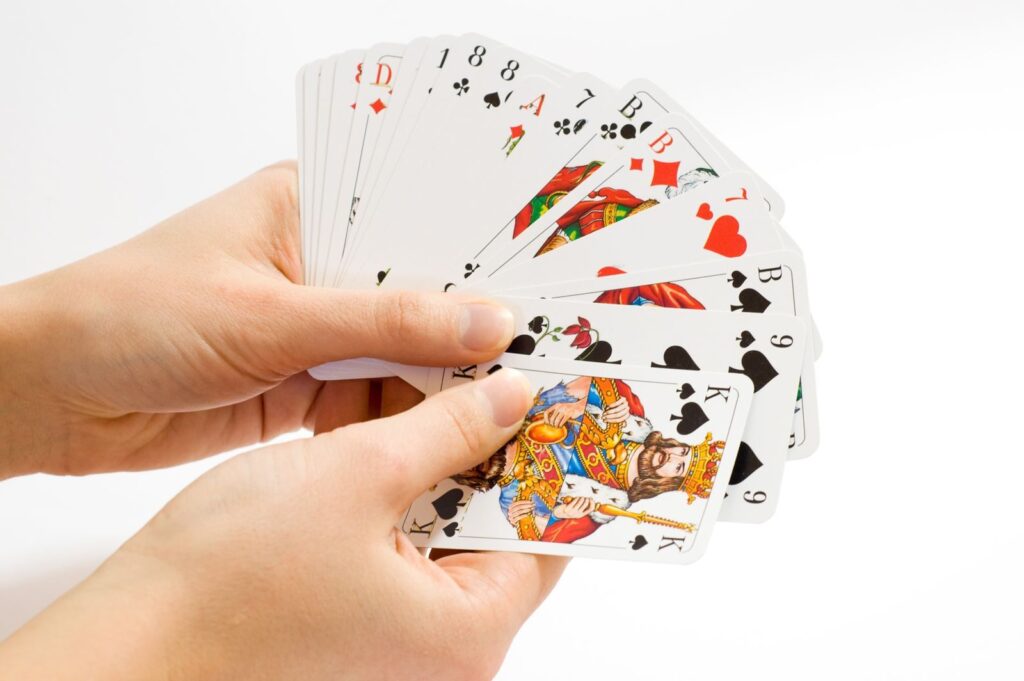
The internet keeps getting faster, louder, and more crowded, yet one of its most durable games asks players to slow down. Solitaire turns a shuffled deck into a private sequence of small decisions. There is no chat window to monitor and no opponent waiting for an instant reply. Players who want to feel that rhythm in a browser can open PlaySolitaire and begin with a familiar layout in seconds.
That simplicity is easy to underestimate. Solitaire does not compete with modern entertainment by copying it. The game survives because it offers something many digital products have removed: a clear task, visible progress, and a natural stopping point.
A game built around a pause
Many online breaks are not really breaks. A person opens a social feed for a minute, then encounters an endless stream with no obvious moment to leave. Solitaire has the opposite shape. Every deal begins with a defined set of cards and ends with a result. Even an unfinished game gives the player a clear place to stop.
That boundary matters. It changes the feeling of a short session from passive consumption to active choice. The player is not waiting for the next clip or notification. They are deciding whether to reveal a hidden card, move a sequence or preserve an empty column for a better opportunity.
Familiar rules reduce the noise
Solitaire also benefits from cultural memory. Many players already understand the basic visual language before the first move. Red and black alternate. Cards descend by rank. Aces begin the foundation piles. The interface does not need a long tutorial or a dramatic opening sequence.
Familiarity is sometimes treated as the opposite of innovation, but in a busy digital environment it can be a feature. A known rule set lowers the effort required to begin. The player can spend attention on the board instead of learning a new control scheme, account system, or collection of rewards.
The quiet drama is already in the cards
A solitaire deal can create tension without spectacle. A useful card may be buried beneath a stack. An empty tableau column can become either a breakthrough or a trap. A move that looks productive may block access to a card that matters later.
These decisions give the game a small narrative arc. The opening is discovery. The middle is a negotiation between immediate progress and future options. The ending becomes either a satisfying chain of solved moves or a lesson in where the structure tightened too early.
Because that drama comes from the rules, the game does not need constant effects to hold attention. The player supplies the curiosity: what happens if this card moves first?
Short attention is not shallow attention
Modern discussions about attention often assume that short sessions must be mindless. Solitaire challenges that idea. A game can last only a few minutes and still reward memory, sequencing and restraint.
The strongest move is not always the move that exposes the most cards immediately. Sometimes the better choice is to keep a color available, delay a foundation move or avoid filling an open column too quickly. These are modest decisions, but they make the session feel deliberate.
That distinction helps explain why the game fits between larger activities. It asks for enough focus to interrupt mental clutter, but not so much commitment that a player feels trapped in a long session.
A private game in a public media culture
Most contemporary entertainment is designed to be shared, ranked, commented on or turned into a performance. Solitaire remains unusual because it works perfectly well without an audience. A win does not need to become content. A difficult deal does not need to be discussed. The experience can remain entirely personal.
That privacy gives the game a different role from competitive or social titles. It can accompany a coffee break, a train ride or the quiet minutes after work. The player is still engaged, but there is no pressure to maintain a streak for other people or prove skill in a public space.
Why the game keeps returning
Solitaire has moved from physical decks to desktop computers, phones and browsers, but its core appeal has barely changed. The format adapts because it is not dependent on a particular machine or trend. What matters is the relationship between visible cards, hidden information and the choices connecting them.
That makes solitaire a useful reminder that digital culture is not only driven by novelty. Sometimes the most resilient experiences are the ones that respect a person’s time. They start quickly, make their rules clear and allow the player to leave when the moment is complete.
In an internet built to keep every session going, a game with a real ending can feel surprisingly modern.