
We often talk about money like it’s just a series of numbers on a glowing screen. We check our balances, look at those monthly statements, and see the percentages. But for most of us, money isn’t really about the math at all. It’s about the security of knowing we can handle an emergency or the quiet excitement of finally planning for something big. When we sit down to look at our finances, we’re trying to build a bridge between where we are now and where we want to be.
Honestly, I’ve spent more than a few late nights staring at a spreadsheet, wondering if I was doing it right while the hum of the laptop kept me company at midnight.
But have you ever felt like that bridge was built with technical terms specifically designed to trip you up?
We hear words like inflation, principal, and yield. It starts to feel like a completely different language. One of the most common points of confusion happens when we try to compare different ways to grow our money. You might see one number labeled as a rate and another as a yield. It’s natural to wonder, is APY the same as interest rate, and the answer actually changes how you see your progress over time.
Understanding that small distinction isn’t just about being “good at banking.” It’s about knowing exactly how hard your money is working for you while you’re busy living your life. And that’s the point. It’s about your time.
The Hidden Power of Compounding
Most of us learned about interest in school, but we rarely talk about how it feels in the real world. Interest is essentially the “rent” a bank pays you to hold onto your money. But there’s a second layer to this called compounding. This is when the interest you earned last month starts earning its own interest this month.
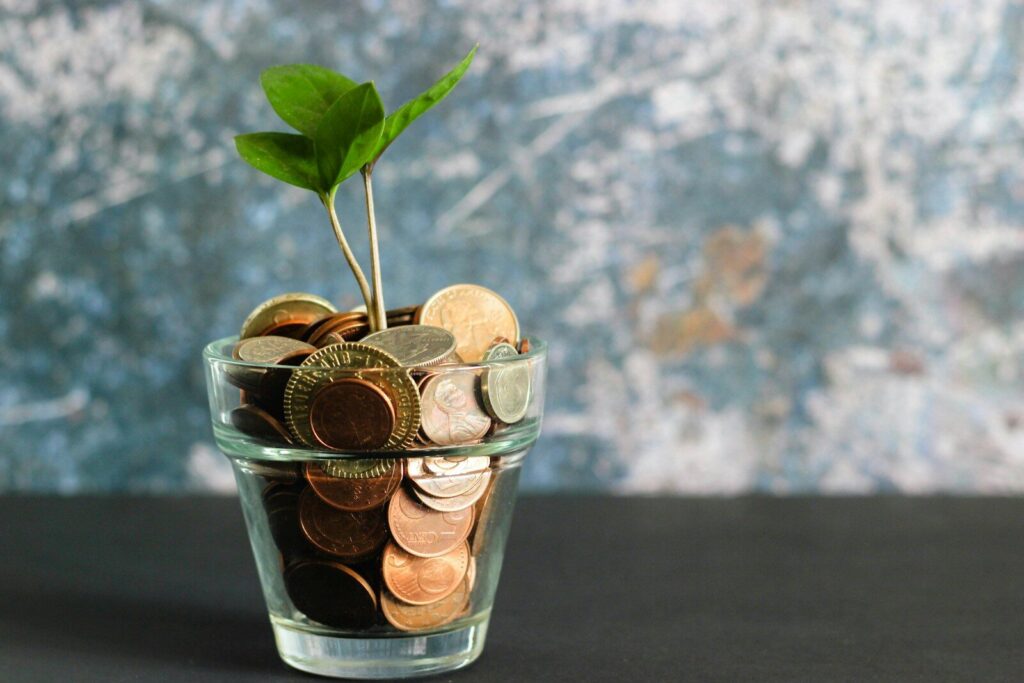
Think of it like planting a garden. The interest rate is how many seeds you get from one single plant. The yield is what happens when you take those new seeds and plant them too.
It starts slow.
Over a single month, the difference is tiny. It’s a few cents. Over a year, it’s a few dollars. But over a decade? That’s where the magic really happens. When we ignore the way interest compounds, we lose sight of the long game. But why are we so obsessed with the short game?
You know, we live in a world that demands instant results. We want the diet that works in a week or the investment that doubles in a month. But real, lasting financial health is usually much quieter. It’s the result of small, consistent growth that builds on itself while you’re sleeping. I guess we just forget that some things take time to ripen.
Moving Beyond the “Emergency Fund” Mindset
We’re told from a young age that we need an emergency fund. It’s great advice. Having a cushion for a flat tire or a broken water heater is essential for peace of mind. However, many of us stop there. We treat our savings like a glass box that says “Break in Case of Emergency.”
But what if that money could do more than sit there waiting for something bad to happen?
When we do that, we stop looking at that money as a tool for growth. We want it to be safe.
While safety is the priority, there’s no reason that money can’t also be productive. If you have your hard-earned cash sitting in a traditional account that offers almost no growth, you’re essentially letting the value of that money slowly erode due to the rising costs of everything else in life. It feels a bit like running up a down escalator.
The goal should be to find a balance. You want your money to be accessible, but you also want it to keep up with the world. This requires moving away from a passive relationship with our bank accounts and toward an active one. It means asking questions about how our money is stored and what it’s doing for us while we aren’t looking.
The Psychology of Seeing Growth
There’s a psychological shift that happens when you actually see your savings move. For a long time, savings accounts felt stagnant. You put money in, and it just stayed there. It felt more like a locker than a garden.
But when you start to see the benefits of a higher yield, even if it’s just a few extra dollars a month, it changes your behavior. It becomes a game. You start to wonder if you can add a little more this month. You become more intentional with your spending because you can see the direct benefit of saving.
This is the human side of finance that the textbooks always leave out. We’re motivated by progress. When the progress is visible, we stay the course. And maybe that’s the real secret.
So, why do we make it so hard to see?
When the progress is invisible or buried under complex terminology, we lose interest. We go back to our old habits.
Breaking the Cycle of Financial Noise
We’re constantly bombarded with financial “hacks” and “secrets.” Every social media scroll reveals someone claiming they’ve found a way to get rich quickly. It’s exhausting. Most of the time, the best thing you can do for your financial future is to ignore the noise and focus on the fundamentals.
The fundamentals aren’t glamorous. They involve living below your means, avoiding high-interest debt, and putting your savings in a place where it can actually grow. It’s about understanding the simple math of your own life.
We often overcomplicate things because we feel like we should be doing more. We feel like we aren’t trading stocks or buying into the latest trend; we’re falling behind. But there’s a profound power in simplicity. A well-placed savings account with a solid yield will often outperform the “trendy” investments over the long run because it’s consistent.
It just works.
Taking the First Small Step
If you feel overwhelmed by the technical side of money, you’re not alone. Most people feel that way. I’ve felt that way too, standing in line for coffee and wondering if I should have moved my money years ago. The secret is to realize that you don’t need to be an expert to make better choices. You need to be curious.
Start by looking at your current accounts. What’s the actual yield you’re getting? Is it helping you reach your goals, or is it just sitting still? Once you have that answer, you can decide if it’s time to make a change.
Financial freedom isn’t a destination you reach and then stay at forever. It’s a series of small decisions. It’s the choice to understand a term you didn’t know before. It’s the choice to move your money to a place that treats it with more respect. And ultimately, it’s the choice to believe that you’re capable of building a secure future, one percent at a time.
Money is a tool for your life, not the other way around. When we take the time to understand the mechanics of how it grows, we take back control. We stop worrying about the numbers and start focusing on the life those numbers allow us to live.