
Austin’s food culture has always thrived on authenticity and innovation, and nowhere is that more evident than in its evolving grocery landscape. While conventional supermarkets still dominate shelf space across America, a different kind of market is flourishing in Texas’s capital—one that prioritizes craft over convenience, curation over scale, and community connection over corporate efficiency.
The gourmet grocery store has become more than a shopping destination in Austin. It represents a shift in how residents think about food sourcing, quality standards, and the role local businesses play in shaping neighborhood identity. These specialty markets aren’t just selling products; they’re cultivating experiences that reflect the city’s broader values around sustainability, local production, and culinary exploration.
What Defines a Gourmet Grocery Experience
The distinction between a standard supermarket and a gourmet grocer isn’t always obvious from the outside. But step through the doors, and the differences become clear. These stores operate on a fundamentally different philosophy about what grocery shopping should be.
At their core, gourmet grocers prioritize product provenance and quality over volume. The selection tends toward items with stories—cheeses aged in specific caves, olive oils pressed from single estates, spices sourced directly from growers. Specialty food retailers have built their reputations on these carefully chosen inventories, often working directly with producers to secure products that larger chains overlook or can’t accommodate within their distribution systems.
Several characteristics consistently appear across successful gourmet markets:
- Curated Selection: Rather than offering thirty brands of pasta sauce, these stores might carry five exceptional ones, each selected for distinct qualities and production methods.
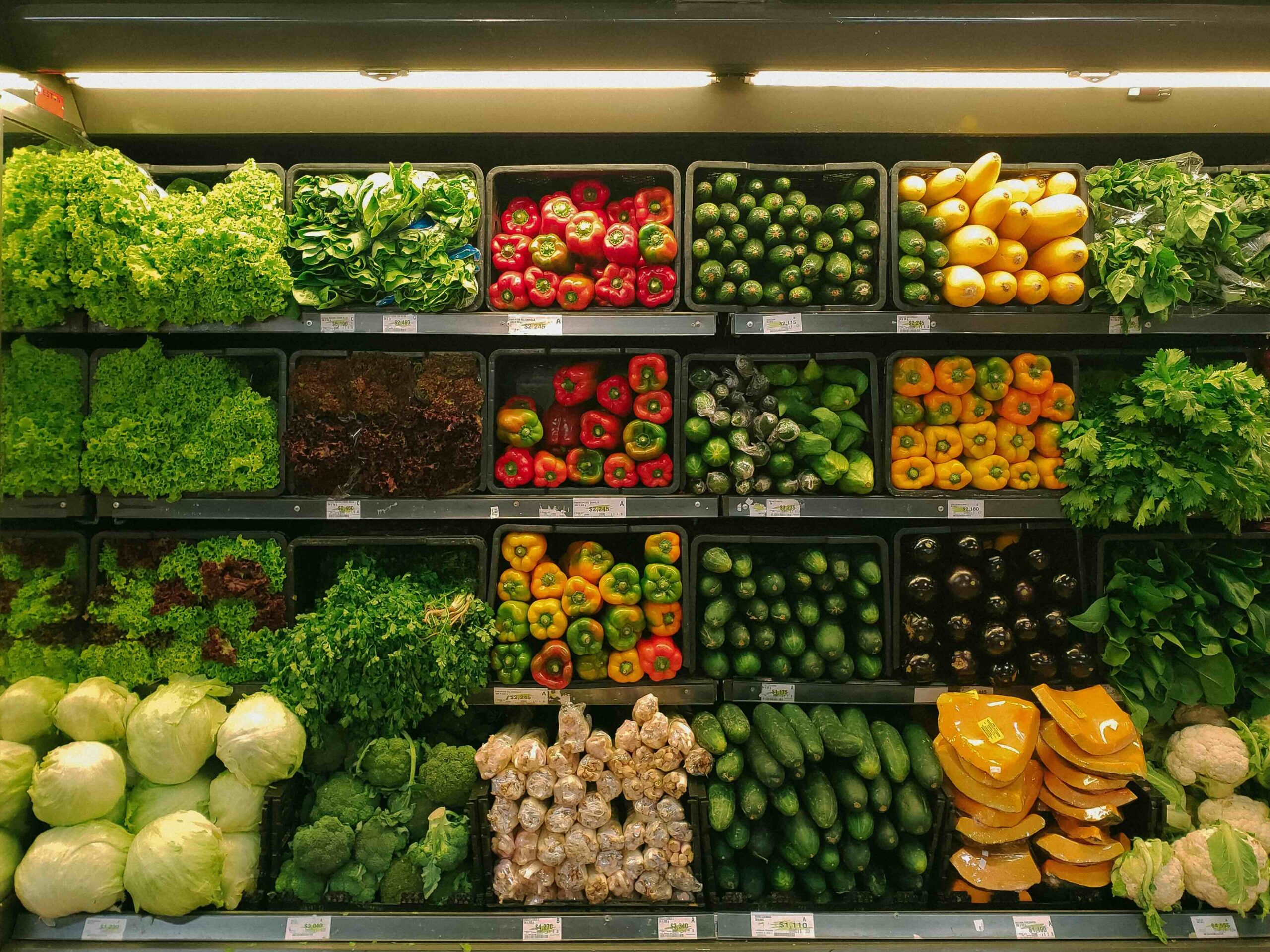
- Seasonal and Local Focus: Produce sections reflect what’s actually growing in the region, with vendor relationships that often extend back years or decades.
- Artisanal and Small-Batch Products: Shelf space goes to producers who make things in limited quantities with traditional methods—the opposite of industrial food production.
- Knowledgeable Staff: Employees can discuss the difference between Parmigiano-Reggiano aged 24 months versus 36, or recommend a specific varietal of heirloom tomato for a particular preparation.
This approach creates a fundamentally different shopping dynamic. Customers aren’t just filling carts; they’re discovering ingredients, learning about production methods, and often rethinking their relationship with food itself.
Why Specialty Markets Are Gaining Ground
The growth of gourmet grocery stores isn’t happening in a vacuum. Several converging trends have created favorable conditions for these businesses, particularly in cities like Austin where food culture runs deep.
Consumer priorities have shifted measurably over the past decade. Shoppers increasingly value transparency in sourcing, environmental practices, and health considerations when making purchasing decisions. The pandemic accelerated these trends, with many consumers reassessing their food choices and seeking out retailers that aligned with their values.
Quality considerations now compete directly with convenience and price in consumer decision-making. People want to know where their food comes from, how it was produced, and what impact their purchases have on local economies and ecosystems. Gourmet grocers are positioned to answer these questions in ways that conventional supermarkets, with their complex global supply chains, often cannot.
The personalized service component also matters more than many industry analysts initially predicted. In an era of automated checkout and app-based shopping, the human expertise available at specialty stores has become a differentiator rather than an inefficiency. Customers value staff who can recommend a wine pairing, suggest a cheese they’ve never tried, or explain the difference between various cuts of locally raised meat.
Austin’s Distinctive Grocery Landscape
Austin’s grocery scene reflects the city’s broader character—eclectic, independent-minded, and deeply invested in local culture. The market here supports an unusual diversity of store formats, from neighborhood institutions to innovative new concepts testing different approaches to specialty retail.
Hyde Park Grocery exemplifies the neighborhood market model that Austin does particularly well. Tucked into one of the city’s older residential areas, it functions as both a grocery store and a community gathering point. The selection balances everyday necessities with carefully chosen specialty items, creating a hybrid model that serves both quick shopping trips and more exploratory visits.
Beyond Hyde Park, Austin’s grocery ecosystem includes several distinct categories:
- Central Market: A Texas-based chain that pioneered the upscale grocery concept in the region, known for extensive prepared foods and international selections.
- Wheatsville Co-op: A member-owned cooperative emphasizing organic products, local sourcing, and community investment through its business model.
- Whole Foods Market: The company’s flagship location in downtown Austin, where many concepts later rolled out nationally were first tested.
- Independent Specialists: Smaller operations, which focus on specific niches within the gourmet market—artisanal products, natural wines, or locally produced goods.
This variety creates a competitive but collaborative environment. Stores differentiate through curation, service, and community connection rather than competing primarily on price or convenience. The result is a grocery landscape that offers a genuine choice in the shopping experience, not just product selection.
Austin’s independent specialists offering curated artisanal and locally sourced products include Tiny Grocer, Hyde Park Grocery, and options listed through the Austin Chronicle’s food guide. Exploring these smaller operations—which differentiate through curation and community connection rather than scale—reveals products and producers the larger stores often don’t carry.
Sustainability as Operating Principle
Environmental considerations have moved from marketing talking points to core operational practices at many Austin grocery stores. The city’s culture expects businesses to take sustainability seriously, and gourmet grocers have responded by integrating environmental practices throughout their operations.
The approach goes well beyond offering organic products. Retailers can significantly influence food system sustainability through purchasing decisions, waste reduction programs, and operational choices.
Austin’s specialty grocers have implemented several meaningful practices:
- Local Sourcing Networks: Direct relationships with area farms and producers reduce transportation emissions while supporting regional agriculture and keeping money in the local economy.
- Waste Reduction Systems: Composting programs, donation partnerships with food banks, and creative approaches to selling imperfect produce minimize what ends up in landfills.
- Packaging Alternatives: Bulk sections for dry goods, reusable container programs, and partnerships with suppliers using minimal or compostable packaging.
- Energy Efficiency: Investments in refrigeration technology, LED lighting, and building systems that reduce overall energy consumption.
These practices resonate with Austin shoppers who increasingly consider environmental impact alongside quality and price. The city’s grocery stores have found that sustainability initiatives, rather than being cost centers, often strengthen customer loyalty and differentiate them in a competitive market.