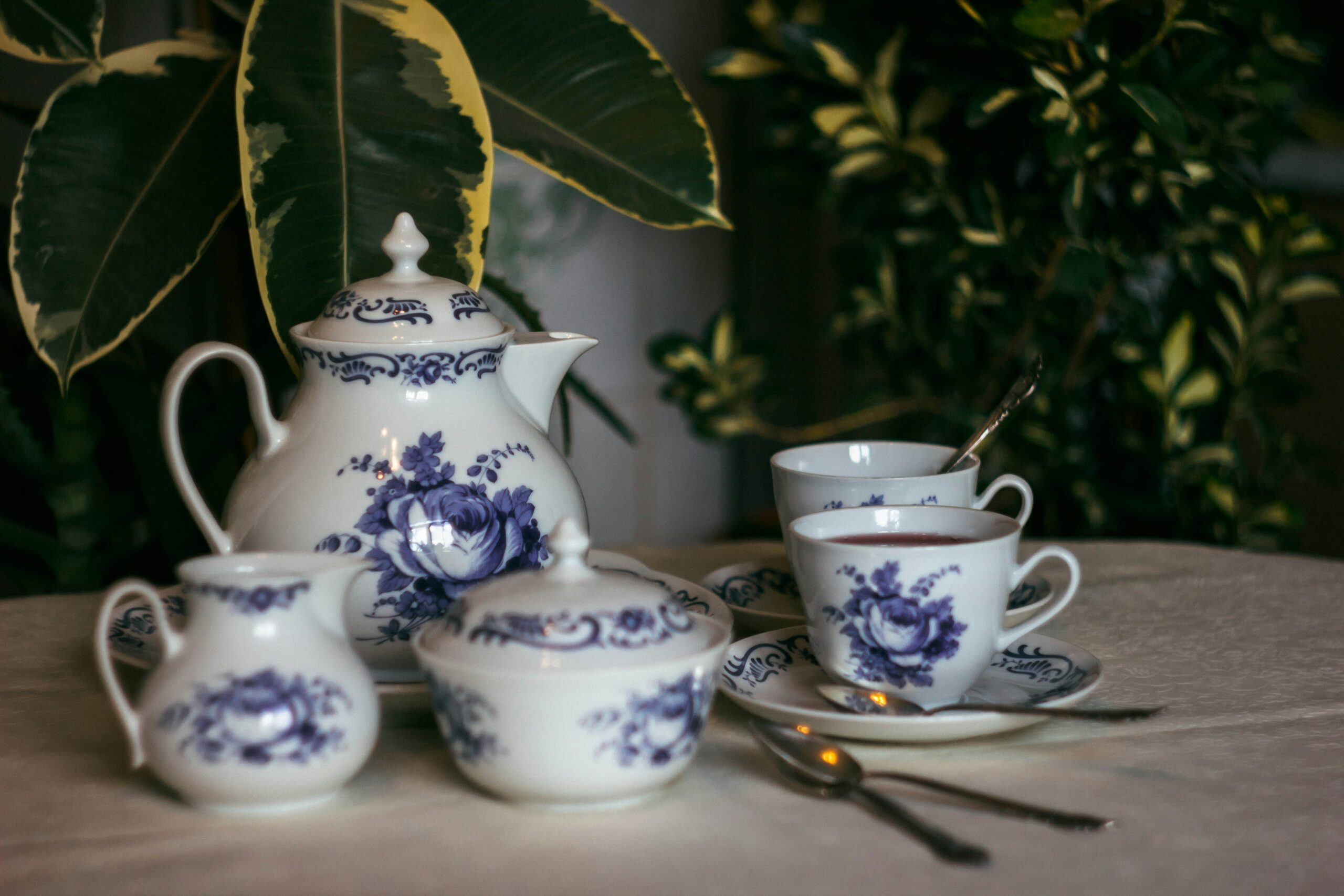
Tea in Chinese culture is more than a drink; it’s an experience marked by history and tradition. The Chinese tea set combines beauty and function, essential in ceremonies. Sets from sources like www.teasetbox.com showcase heritage, with key elements like teapots and cups. Made of porcelain, clay, glass, or cast iron, each affects brewing: porcelain for heat retention, Yixing clay for enriching oolongs and pu-erhs. Designs often reflect nature or mythology, enhancing aesthetics and taste, crafted by artisans from ancient traditions. They foster ritual and mindfulness, connecting users with nature’s beauty. Traditional sets enhance tea’s cultural appreciation, benefiting both experts and newcomers by merging tradition with flavor. Choosing the right set perfects both form and function, offering a harmonious tea-drinking experience steeped in tradition.
History of Chinese Tea Ceremonies
The history of Chinese tea ceremonies is a fascinating journey through time, tracing back more than a thousand years. The origins of tea and its ceremonial use can be linked to the Tang Dynasty (618–907 AD), marking the period when tea began to transcend its status as a simple beverage to become an integral part of Chinese culture and society.
1. The Tang Dynasty: The Dawn of Tea Culture
The Tang Dynasty is often credited with establishing the groundwork for what would become a revered cultural practice. This era witnessed the publication of “The Classic of Tea” by Lu Yu, the first known book dedicated entirely to tea. Lu Yu’s writings outlined the philosophy, cultivation, and preparation of tea, laying the foundation for the customs and etiquette that would define Chinese tea ceremonies for generations.
2. The Song Dynasty: A Time of Refinement
The Song Dynasty (960–1279 AD) saw further refinement of tea culture. During this period, tea had become a staple in social and scholarly gatherings. Tea competitions, where participants would showcase their brewing skills, became popular. The practice was not just about drinking tea but appreciating its aesthetics, preparation, and the ambiance of the tea room, thereby elevating it to an art form.
3. The Ming Dynasty: Transformation and Modernization
A significant transformation occurred during the Ming Dynasty (1368–1644 AD) when powdered tea, previously popular, gave way to whole leaves. The invention of the Yixing clay teapot during this period revolutionized the way tea was brewed and consumed. This change influenced the development of the Gongfu tea ceremony, a method emphasizing the intricate preparation and savoring of tea, enhancing its taste and aroma.
4. Qing Dynasty and Beyond: The Global Influence
By the Qing Dynasty (1644–1912 AD), Chinese tea rituals had reached new heights in sophistication. The variations of tea ceremonies reflected China’s diverse regional cultures. As trade routes expanded, the charm and tradition of Chinese tea ceremonies permeated other cultures, influencing tea practices in Japan, Korea, and beyond.
5. Contemporary Tea Ceremonies
The Chinese tea ceremony remains a treasured tradition symbolizing hospitality, respect, and social bonding. Modern practices blend historical elements with ancient philosophies from pioneers like Lu Yu. This timeless ritual encourages tranquility and mindfulness through a simple cup of tea. In essence, the evolution of Chinese tea ceremonies highlights a rich cultural journey of adaptation, artistic expression, and global influence, fostering a lasting appreciation of tea worldwide.
Essential Components of a Chinese Tea Set
A Chinese tea set is not only functional but also steeped in tradition and aesthetic value, reflecting the art and culture behind the tea ceremony. Below are the essential components that make up a traditional Chinese tea set:
1. Teapot (Cha Hu – 茶壶)
The teapot is the heart of the Chinese tea set, with the Yixing clay teapot being particularly prized for its ability to enhance the flavor of tea over time. The porous nature of Yixing clay absorbs the tea’s aroma, creating a rich, complex flavor profile with continued use.
2. Teacups (Cha Bei – 茶杯)
Teacups are typically small in size, encouraging slower, more mindful sipping. The cups are often made of porcelain or clay and come in various aesthetically pleasing designs, sometimes hand-painted with intricate motifs that reflect nature or traditional Chinese symbols.
3. Fair Cup (Gong Dao Bei – 公道杯)
Also known as the ‘justice cup,’ the fair cup ensures even distribution of brewed tea, making sure each serving is consistent in strength and flavor. After brewing, the tea is first poured into the fair cup before it is distributed into the smaller teacups.
4. Tea Tray (Cha Pan – 茶盘)
The tea tray serves both aesthetic and practical purposes. It is used to hold the teapot, cups, and any excess water or leaves, keeping the tea service neat. The tray often features drainage holes and may be crafted from a variety of materials, including wood, bamboo, or ceramic, each adding a touch of elegance to the setup.
5. Tea Pitcher (Cha Hai – 茶海)
This larger vessel is used to control the tea’s aroma and concentration, allowing any steeped tea leaves to settle before serving. It’s also used as a reserve for extra-brewed tea, maintaining the desired temperature and flavor.
6. Tea Canister (Cha Cang – 茶仓)
A tea canister is used for storing loose tea leaves to preserve their freshness and potency. Air-tight containers, often elaborately crafted from ceramics or metals, ensure that moisture, light, and air do not degrade the leaves.
7. Tea Strainer (Cha Luo – 茶漏)
The tea strainer is used to catch any loose leaves or sediment before the tea is poured into the tea pitcher or directly into cups, ensuring a smooth and pleasant drinking experience.
8. Tea Utensils
This term refers to a set of tools including a tea scoop, tea needle, and tea tongs. These are used to properly handle tea leaves, unclog the teapot spout, and manage hot cups, epitomizing both the precision and hospitality associated with the ceremony.
9. Tea Pet
Tea pets are small, charming clay figures placed on the tea tray, often shaped like animals or mythical creatures, believed to bring good luck. They are nurtured by pouring leftover tea on them. These elements not only aid in tea preparation but also enhance the ceremony, blending utility, tradition, and artistry. The detailed craftsmanship reflects the deep respect the Chinese hold for tea culture.
Popular Types of Chinese Tea Used in Ceremonies
Chinese tea ceremonies are renowned for their careful selection of tea, each chosen for its unique characteristics, backstory, and ability to enhance the experience. Below are some of the most popular types of Chinese tea traditionally used in these ceremonies:
1. Green Tea (Lu Cha – 绿茶)
Green tea is celebrated for its light, refreshing taste and vibrant green color. Known for minimal oxidation, green teas like Longjing and Biluochun are often chosen for their fresh, grassy notes and health benefits. Their delicate flavors are best appreciated in spring and summer sessions.
2. Oolong Tea (Wu Long Cha – 乌龙茶)
Oolong tea strikes a balance between the boldness of black tea and the lightness of green tea. With partial oxidation, oolong boasts complex flavors that range from fruity to floral. Varieties such as Tieguanyin and Da Hong Pao are frequently used in ceremonies to showcase their intricate aromas and tastes.
3. Black Tea (Hong Cha – 红茶)
Fully oxidized, black tea is known for its robust flavor and rich color. Popular black teas like Keemun and Dian Hong are selected for ceremonies because of their full-bodied profiles and deep, malty undertones. Their warming properties make them ideal for colder months.
4. White Tea (Bai Cha – 白茶)
Renowned for its subtlety, white tea undergoes minimal processing. Its delicate flavors and gentle sweetness are appreciated for their purity. Varieties such as Bai Mudan and Silver Needle are chosen for their exquisite taste and aroma, making them a refined choice for any ceremonial setting.
5. Pu-erh Tea (Pu-er Cha – 普洱茶)
Aged and fermented, Pu-erh tea is known for its deep, earthy flavors and health benefits related to digestion and metabolism. This unique tea can improve with age, much like wine, and is often reserved for special occasions. Its distinctive taste holds a place of honor in many traditional tea ceremonies.
6. Yellow Tea (Huang Cha – 黄茶)
A rarity among Chinese teas, yellow tea undergoes a controlled fermentation process, resulting in a mellow, floral flavor with a lightly roasted note. Junshan Yinzhen is a prized variety, treasured for its complexity and the elegance it brings to the ceremony.
7. Herbal Infusions
Though not traditional, herbal infusions like chrysanthemum or osmanthus are added to modern ceremonies for variety. They bring soothing aromas, embodying Chinese history and culture. Each tea enhances the ceremony’s mindfulness and communal spirit. Whether in formal settings or casual gatherings, these teas offer warmth and connection, fostering appreciation and tranquility.
Chinese Tea Ceremony Techniques
The Chinese tea ceremony, known as “Gongfu Cha,” is a graceful and complex ritual that emphasizes mindfulness, aesthetics, and precision. Each technique used in the ceremony is designed to bring out the best qualities of the tea while fostering a connection among participants. Below are some key techniques that are integral to this ancient tradition:
1. Tea Selection and Preparation
The ceremony begins with the careful selection of tea leaves. The choice of tea sets the tone and intention of the gathering. Loose leaf teas such as oolong and pu-erh are often chosen for their rich flavors and aromas. Once selected, the leaves are often rinsed in hot water to “awaken” their flavors, a process known as “rinsing the tea” or “washing the dust.”
2. Temperature Control
The temperature of the water is crucial in a Chinese tea ceremony as it can significantly affect the flavor profile of the tea. Different teas require different water temperatures: while green and white teas need cooler water to preserve their delicate flavors, oolong and black teas often need hotter water to release their full-bodied characteristics. Mastery over temperature control shows respect for the tea and the ceremony.
3. Use of Proper Utensils
Traditional Chinese tea ceremonies utilize unique utensils, such as the “Gaiwan” (a lidded bowl), “Yixing teapot” (crafted from clay that enhances the flavor profile), and elegant “Cha Hai” or “fairness pitcher” to ensure even pouring. Bamboo tea scoops, tweezers, and strainers are also employed with precision to handle the leaves and avoid direct hand contact, maintaining purity.
4. Precision of Movements
Fluid, deliberate motions are key to conducting a Gongfu Cha ceremony, with each gesture connecting to the next in a seamless flow. From pouring the water in circular motions to the careful placement of the lids, every action is intentional, creating a visual harmony that enhances the sensory experience.
5. Smelling and Tasting
Participants are encouraged to engage their senses fully. After brewing, the tea is smelled to appreciate its aroma before tasting. Often, small cups are used to allow a more concentrated experience of the tea’s essence, fostering a deeper appreciation of its flavor complexities.
6. Multiple Infusions
One of the distinctive features of Gongfu Cha is the practice of multiple infusions. Many high-quality teas can be infused several times, with each steeping unraveling new layers of aroma and taste. This technique not only prolongs the enjoyment but also highlights the skill of the tea master in extracting the most from the leaves.
7. Sharing and Reflection
The Chinese tea ceremony emphasizes shared experiences. Serving tea fosters reflection and conversation, encouraging guests to connect with the present moment. This ritual invites mindfulness and a deep appreciation for the art and science of tea brewing. By mastering these techniques, the ceremony elevates tea drinking to an art form that enriches the spirit and builds community. Each step prompts a pause to appreciate simplicity and connect with tea’s rich cultural heritage spanning centuries.
Etiquette in Chinese Tea Ceremonies
In the art of the Chinese tea ceremony, etiquette plays a crucial role, underpinning the respect and mindfulness inherent in the practice. Observing these customs ensures a harmonious experience and demonstrates appreciation for the cultural heritage associated with tea.
1. Respectful Attire and Demeanor
Participants are encouraged to wear modest and comfortable attire, reflecting the ceremony’s reverence. It’s important to maintain a calm and respectful demeanor throughout, as the ceremony is as much about creating a tranquil atmosphere as it is about enjoying tea.
2. Silence and Mindfulness
Silence is valued during the preparation and initial serving of tea, promoting a mindful presence. Observing quietly allows participants to focus on the sensory experience, from the delicate aroma to the subtle flavors, encouraging introspection.
3. Serving Hierarchy
Tradition dictates that tea is served according to seniority, starting with the most senior guest, reflecting the Confucian values of filial piety and respect for elders. This order underscores the cultural appreciation for age and wisdom.
4. Handling the Tea Cup
Receiving the tea involves both hands, signifying respect and care. It’s customary to express gratitude through a gentle nod or a quiet word of thanks to acknowledge the effort that has gone into the preparation.
5. Expressing Appreciation
Compliments on the quality of the tea and the skill of the host are not only polite but also encouraged. These expressions of appreciation foster a warm atmosphere and show the host that their efforts are valued.
6. Participation and Engagement
Guests are expected to engage with the ceremony by showing interest and curiosity about the process and the types of tea served. Asking thoughtful questions and discussing the flavors enhances the shared experience and enriches understanding.
7. Respectful Departure
Ending the ceremony with sincere thanks and courteous farewells is as crucial as starting it with greetings. This act reinforces the bonds created during the ceremony and respects the tradition’s focus on community and connection. By adhering to these etiquettes, participants honor the Chinese tea ceremony’s rich traditions, promoting respect, mindfulness, and collective appreciation, ensuring a meaningful experience for everyone.
Modern Adaptations in Tea Ceremonies
As global interest in traditional practices continues to grow, the Chinese tea ceremony has seen various modern adaptations. These adaptations bridge historical customs with contemporary lifestyles, making the ritual more accessible and appealing to a wider audience.
1. Contemporary Tea Set Designs
While a traditional tea set might involve intricate designs and materials, modern adaptations often feature minimalist aesthetics. Sleek lines, neutral colors, and innovative materials cater to younger generations who appreciate simplicity and functionality in design. These contemporary sets maintain the essence of the ceremony while aligning with modern tastes.
2. Incorporation of Technology
Technology has found its way into modern tea ceremonies, with smart kettles allowing for precise control over water temperature, which is crucial for different types of tea. Some hosts utilize mobile apps to provide guests with information about the tea being served, including its origin, flavor profile, and proper steeping techniques.
3. Blending Cultures
Global travel and diverse cultural exchanges have encouraged the incorporation of elements from other tea traditions. For example, Japanese influence may be seen in the use of matcha tea, while Western teas like Earl Grey might be featured alongside classic Chinese teas. This blending of cultures showcases the adaptability and inclusivity of the tea ceremony.
4. Eco-Friendly Practices
In response to increasing environmental awareness, many modern tea ceremonies emphasize sustainability. Hosts may use organic teas and biodegradable or reusable materials for serving, aligning the tradition with eco-friendly principles. This conscious approach enhances the ritual’s appreciation for nature.
5. Virtual Tea Gatherings
The digital age has given rise to virtual tea ceremonies, connecting participants from across the globe. Through video conferencing platforms, individuals can share in the experience from the comfort of their homes. Hosts may send tea samples in advance, ensuring an authentic taste experience despite the physical distance.
6. Fusion with Art and Music
Modern tea ceremonies use art and music to enhance the sensory experience. Live performances or playlists might accompany the ritual, creating a multi-sensory celebration. Art installations as backdrops enrich the ceremony’s impact. These adaptations keep the Chinese tea ceremony dynamic and relevant, preserving its core value of connection and mindfulness while inspiring people worldwide.
Tips for Hosting Your Own Chinese Tea Ceremony
Hosting a Chinese tea ceremony can be a deeply rewarding experience, a way to share the beauty of Chinese culture and traditions with friends and family. Here are some tips to help you create an authentic and unforgettable ceremony:
1. Choose the Right Tea
Select high-quality Chinese teas such as Pu-erh, Dragon Well (Longjing), or Jasmine Green Tea. It’s important to consider the preferences of your guests and the occasion. Each type of tea has a unique flavor profile and preparation method, adding to the ceremony’s charm.
2. Select a Suitable Tea Set
A traditional Chinese tea set typically includes a teapot, teacups, a tea tray, and an aroma cup set for appreciating fragrance. Choose a set made from materials like porcelain or Yixing clay for an authentic touch. Ensure the design aligns with the atmosphere you aim to create.
3. Mind the Ambiance
Create a serene environment that promotes relaxation and mindfulness. Soft lighting, calming music, and natural elements such as flowers or bamboo can enhance the sensory experience. Consider using incense or scented candles to add a gentle aroma to the atmosphere.
4. Learn the Ritual
Familiarize yourself with the steps and symbolism of the traditional gong fu tea ceremony. This involves warming the teapot and cups, rinsing the tea leaves, and practicing careful pouring techniques. Understanding each step will allow you to guide your guests through the experience with confidence.
5. Focus on Presentation
The visual presentation of the tea ceremony can greatly enhance the experience for your guests. Arrange the tea set and accompanying elements artfully on the table. Use a clean and simple tablecloth, and consider adding a centerpiece that reflects the theme of tranquility and nature.
6. Engage Your Guests
Involve your guests by explaining the significance of each tea and sharing its origin story. Encourage them to appreciate the aroma and taste, creating a sensory connection with the tea. Engaging conversation and storytelling can cultivate a deeper appreciation for the ritual.
7. Practice Mindfulness
Encourage mindfulness throughout the ceremony by taking deliberate, slow actions and fostering an atmosphere of peace. Remind your guests to savor each sip, focusing on the tea’s flavor and the shared experience, free from distractions and stress.
8. Plan for After the Ceremony
Offer traditional snacks like mooncakes or steamed buns to complement the tea and enhance its flavors. Sharing food fosters community and connection. By doing this, you can host a Chinese tea ceremony that honors its traditions and creates a welcoming experience for guests. It’s a beautiful celebration of culture and connection.
Conclusion
The Chinese tea ceremony is a cultural ritual symbolizing respect, harmony, and connection. It offers a meaningful experience, inviting participants to pause daily life’s hustle and focus on simplicity and mindfulness. Hosting requires selecting the right tea and creating an inviting ambiance, with each step enhancing the immersive experience. This ritual fosters deeper connections and leaves lasting impressions in a fast-paced world, offering tranquility and grace. Whether a novice or seasoned enthusiast, the tea ceremony is a gateway to mindful living and cultural appreciation.