This article includes affiliate links. We may earn a commission if you make a purchase, with no extra cost to you.
Creatine is having a quiet glow-up.
For years, it lived in the protein shaker aisle. Big tubs. Bigger fonts. Gym mirror selfies. If you weren’t deadlifting twice your bodyweight, it didn’t seem relevant.
Now? It’s showing up in longevity podcasts. Wellness newsletters. Conversations about energy, muscle maintenance, and metabolic health. And women are paying attention.
So what changed?
The Creatine Conversation Has Shifted
Creatine was always about strength. That part hasn’t changed. What’s changed is what strength means. It’s less about aesthetics and more about function.
As muscle mass naturally declines with age, maintaining strength becomes less of a gym goal and more of a life goal. Carrying groceries. Long travel days. Recovering faster. Feeling steady in your body.
Creatine supports the body’s production of ATP, the molecule your cells use for energy. That matters during workouts, but it also matters during long workdays, stressful weeks, and any moment that demands physical output.
It’s foundational. Not flashy.
Why Women Are Suddenly Interested
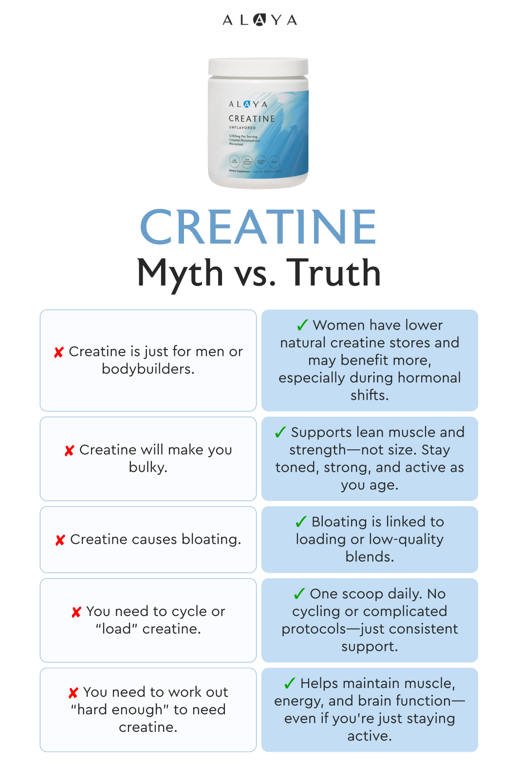
Search trends for “creatine for women” have steadily climbed in the past few years. The tone of the conversation has shifted from “will it make me bulky?” to “is this good for longevity?”
That’s a different question.
Muscle isn’t just aesthetic. It’s metabolic support. It’s resilience. It’s aging well.
Strength training has already gone mainstream for women in their 30s and 40s. Creatine is following right behind it.
Why Alaya Naturals’ Micronized Creatine Fits This Moment
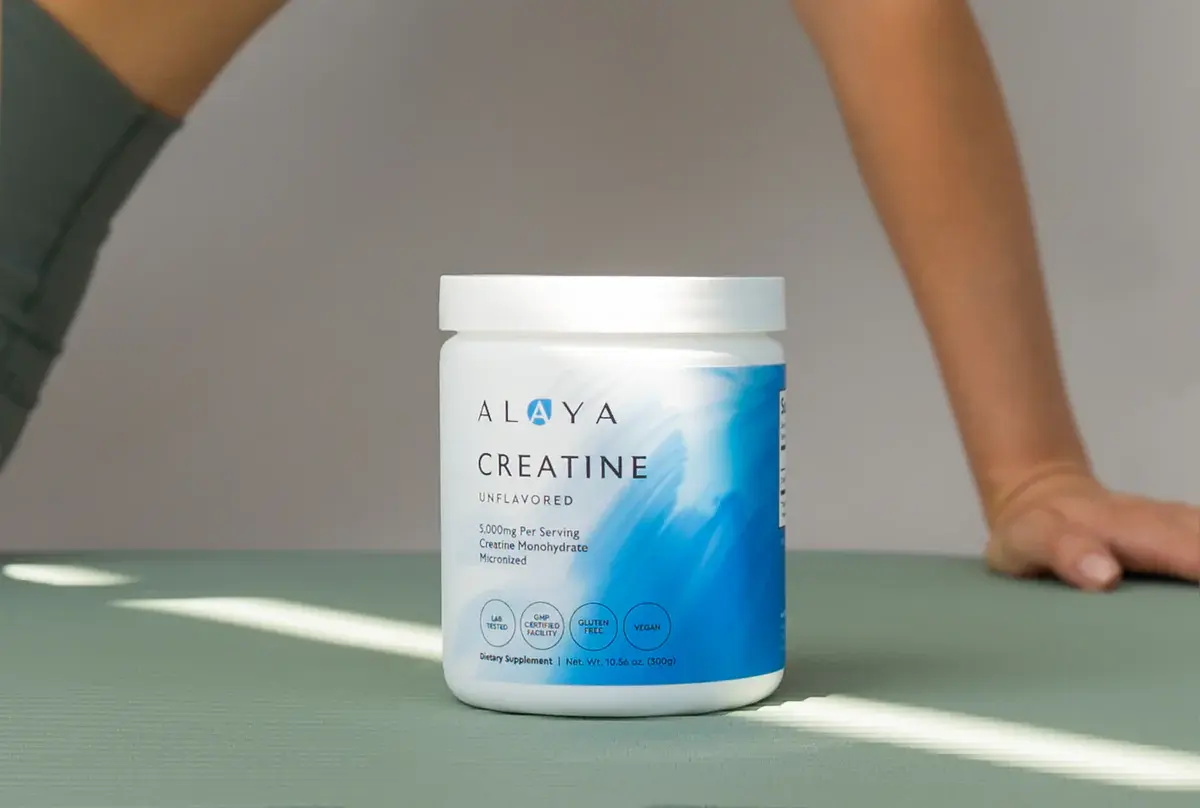
Alaya Naturals strips creatine back to what it actually is: One ingredient – creatine monohydrate.
No flavor. No fillers. No artificial additives.
Their formula is micronized, meaning the powder dissolves smoothly without the gritty texture people complain about. You can stir it into coffee, blend it into a smoothie, or mix it with water without altering your routine.
It’s third-party tested, which matters if you care about ingredient transparency. Most importantly, it’s positioned beyond athletes.
It’s designed for adults who want to support lean muscle strength, cellular energy production, and overall physical capacity as part of a balanced wellness routine. Not a shortcut. Not a hype product. Just foundational support.
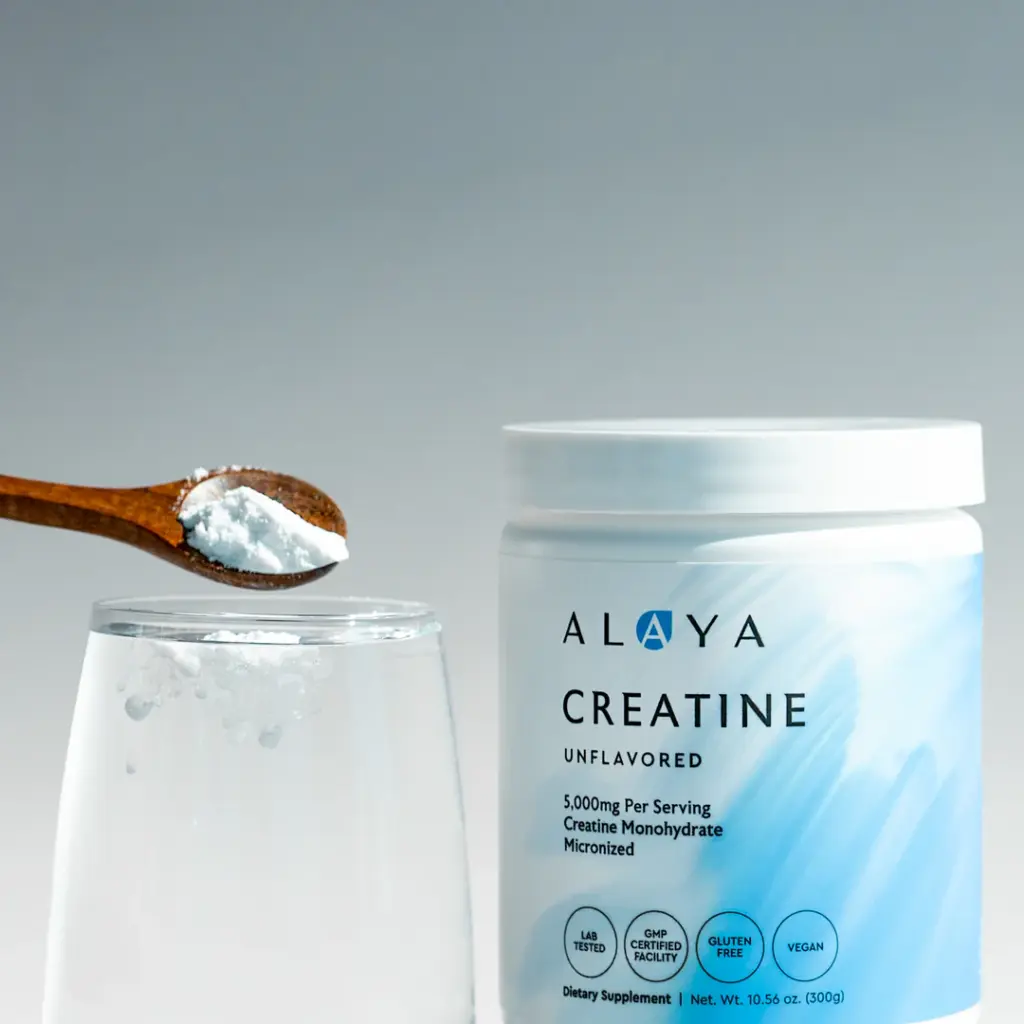
What Creatine Actually Does
Here’s the simple version: Creatine helps replenish ATP, the primary energy source your cells rely on. During strength training, that means more available energy for short bursts of effort. But ATP production also plays a role in everyday physical stamina.
Research on creatine monohydrate consistently shows support for strength performance and muscle maintenance when paired with resistance training.
It’s one of the most studied supplements in sports nutrition. That’s part of why the rebrand feels less like a trend and more like a rediscovery.
Is creatine safe for daily use?
Does creatine cause bloating?
Can you take creatine if you’re not an athlete?
Is creatine just for muscle gain?
The Bigger Picture
The cultural shift around wellness right now is moving away from punishment and toward sustainability. Less “how fast can I transform,” more “how strong can I stay.” That’s where creatine fits.
And brands like Alaya Naturals are making it approachable. No theatrics. No bro marketing. Just a clean, single-ingredient supplement designed to support strength and energy in real life.
If you’re already lifting, walking, hiking, or just trying to maintain muscle as you age, this is the conversation worth having.