CULTURE
How Much Do Newborns Sleep? Understanding Early Sleep Patterns and Expectations

27 Feb
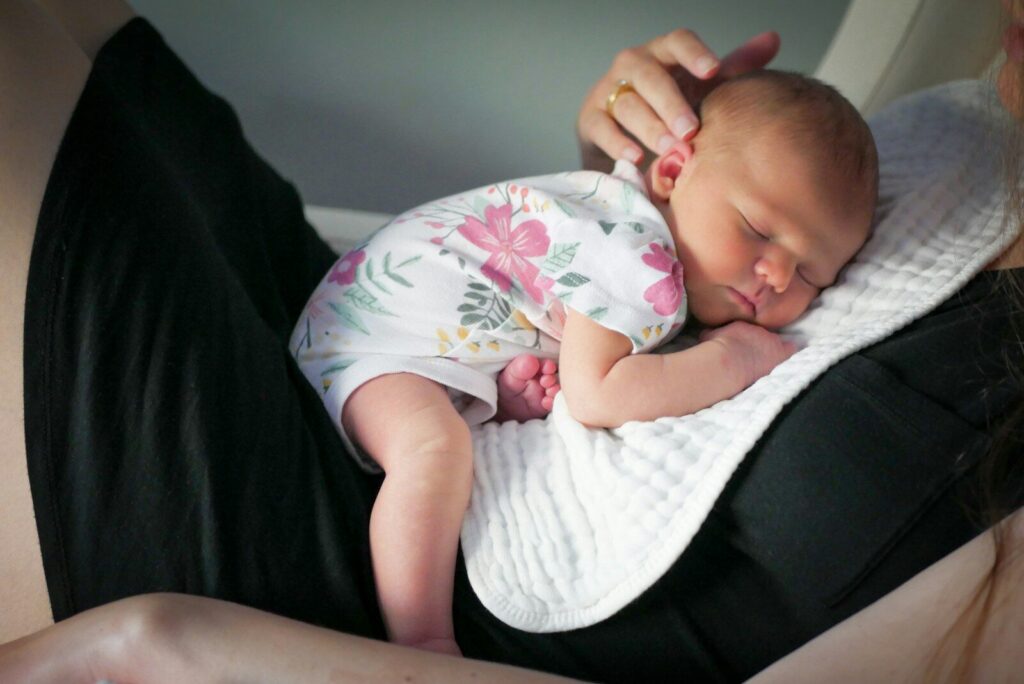
One of the most common questions new parents ask is how much do newborns sleep, especially during those early weeks when days and nights blur together. Newborn sleep can feel unpredictable, fragmented, and exhausting—but it is also completely normal. Babies are biologically designed to sleep in short stretches as their brains and bodies rapidly develop.
As your newborn adjusts to life outside the womb, daily rhythms slowly begin to form. Creating gentle structure during feeding, awake time, and seated moments—such as calm interaction while your baby is nearby during meals or family routines with a high chair with tray as they grow—can help support healthy sleep habits over time. Understanding what’s normal can ease anxiety and help you respond confidently to your baby’s needs.

The Typical Sleep Schedule for a Newborn
Newborns sleep a lot—but not all at once. On average, newborns sleep 14 to 17 hours in a 24-hour period, though some may sleep slightly more or less.
Typical newborn sleep looks like:
- Sleep broken into short stretches
- 2–4 hours of sleep at a time
- No consistent day–night schedule
- Frequent waking for feeding
Unlike older babies, newborns are not capable of following a predictable schedule. Their sleep is driven by hunger, comfort, and developmental needs rather than the clock.
Why Newborns Sleep in Short Bursts Throughout the Day
Newborn stomachs are tiny, and their need for frequent feeding directly affects sleep length. Breastfed and formula-fed babies alike need to eat often to support growth and regulate blood sugar.
Short sleep bursts happen because:
- Newborns need to feed every 2–3 hours
- Their sleep cycles are shorter than adults
- Hunger cues override sleep drive
- Their nervous systems are still immature
These short stretches are protective and biologically appropriate. While exhausting for parents, they help ensure your baby gets enough nutrition and comfort during this critical growth stage.
Distinguishing Between Active and Quiet Sleep Cycles
Newborn sleep is not the same as adult sleep. Babies cycle through different sleep states, which can make them seem restless even while asleep.
Active sleep (similar to REM):
- Facial movements or smiles
- Light noises or grunts
- Twitching arms or legs
- Irregular breathing
Quiet sleep (deep sleep):
- Still body
- Slower, steady breathing
- Minimal movement
Newborns spend much more time in active sleep than adults, which is why they may appear awake or fussy even when they’re not fully awake.
Helping Your Baby Distinguish Between Day and Night
Newborns are not born with a circadian rhythm. Day–night awareness develops gradually over the first few months.
You can gently support this process by:
- Keeping daytime feeds and naps in natural light
- Engaging in soft interaction during the day
- Keeping nighttime feeds quiet and dim
- Avoiding stimulation during overnight wake-ups
Over time, these cues help your baby associate longer sleep with nighttime hours—even before formal sleep training is appropriate.
Common Reasons Why Newborns Wake Up Frequently
Frequent waking is expected and healthy for newborns. Understanding why it happens can reduce frustration.
Common reasons include:
- Hunger
- Wet or dirty diapers
- Gas or digestive discomfort
- Temperature changes
- Need for comfort or closeness
Newborns do not wake “for no reason.” Each wake-up is a form of communication, and responding consistently helps build trust and emotional security.
Recognizing Your Baby’s Unique Sleep Cues
Sleep cues often appear before crying, and recognizing them early can help your baby settle more easily.
Early sleep cues include:
- Slower movements
- Reduced eye contact
- Turning head away from stimulation
- Subtle fussiness
Late sleep cues include:
- Crying
- Arching back
- Red eyelids
- Difficulty settling
Putting your baby down during early cues—rather than waiting until overtired—often leads to longer and more peaceful sleep.
Creating a Safe and Soothing Sleep Environment
A calm sleep environment supports better rest and follows safe sleep guidelines.
Helpful practices include:
- Placing baby on their back to sleep
- Using a firm, flat sleep surface
- Keeping the sleep space free of loose items
- Maintaining a comfortable room temperature
- Using white noise if helpful
Consistency matters more than perfection. A familiar environment helps signal safety and rest, even during frequent wake-ups.
When to Expect More Consolidated Sleep Patterns
Sleep consolidation does not happen overnight. It develops gradually as your baby’s brain matures, circadian rhythms begin to form, and feeding patterns stabilize. In the early weeks, newborns are biologically wired to wake frequently, and longer stretches of sleep emerge slowly over time.
Typical sleep milestones include:
- Around 6–8 weeks: Many babies begin sleeping for slightly longer stretches at night, often 3–4 hours at a time, especially after a full feeding.
- Around 3 months: Wake windows become more predictable, and naps may start to follow a looser pattern rather than feeling completely random.
- Around 4–6 months: Some babies are capable of longer nighttime sleep periods as their digestive systems mature and sleep cycles lengthen.
It’s important to remember that these are general trends, not guarantees. Every baby develops at their own pace. Some consolidate sleep earlier, while others take longer—and both patterns fall within the range of healthy development. Temporary disruptions due to growth spurts, illness, or developmental leaps are also common and expected.
Supporting Healthy Sleep Without Rushing Independence
Newborns are not capable of self-soothing in the early months. Their nervous systems are still developing, and they rely on caregivers to help regulate sleep, emotions, and stress. Responding to your baby’s needs is not creating “bad habits”—it’s building trust and security.
Supportive sleep strategies include:
- Responsive feeding: Feeding on demand ensures your baby’s nutritional needs are met and helps regulate blood sugar, which supports better rest.
- Gentle rocking or holding: Physical closeness helps calm your baby’s nervous system and makes falling asleep easier.
- Consistent routines: Simple patterns—like feeding, cuddling, and dimming lights before sleep—create predictability without enforcing a strict schedule.
- Offering comfort promptly: Responding early to fussing can prevent overtiredness and help your baby settle more quickly.
Meeting your baby’s needs now lays the groundwork for independent sleep later. Babies who feel safe, comforted, and supported in the early months often develop stronger self-regulation skills as they grow—making future sleep transitions smoother and more successful.
When to Talk to a Pediatrician About Sleep
While wide variations in sleep are normal, it’s appropriate to seek guidance if:
- Your baby seems excessively lethargic
- Feeding and weight gain are concerns
- Sleep issues feel overwhelming
- You’re unsure what’s normal
Pediatricians can help rule out medical issues and provide reassurance during early parenting challenges.
Final Thoughts
So, how much do newborns sleep? A lot—but in short, unpredictable stretches that serve an important developmental purpose. Newborn sleep is about nourishment, growth, and comfort—not schedules or routines.
By understanding normal sleep patterns, responding to cues, and creating a calm environment, you’re supporting your baby’s healthy development—even during the most exhausting nights. With time, patience, and consistency, longer and more predictable sleep will come—one stretch at a time