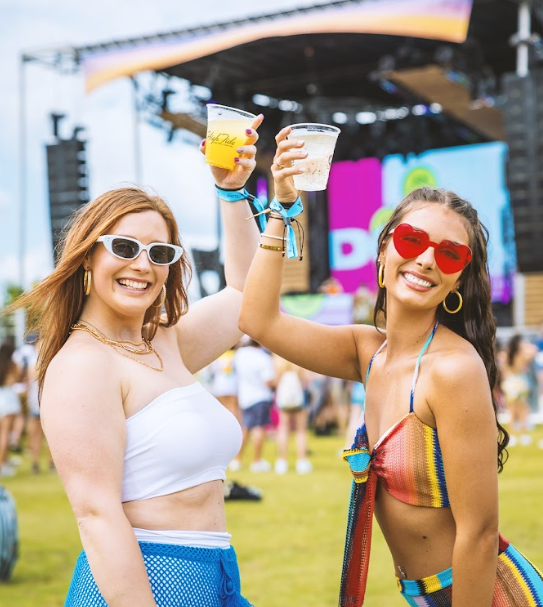
Surge is powering a shift where fans—not ads—are driving ticket sales for major events like Kygo’s Palm Tree Festival, Liv Golf & More
For years, the way events grew was predictable: run ads, book influencers, collect data, repeat. It worked—until it didn’t.
Today, audiences scroll past ads, influencer posts blur together, and the cost to get someone to actually show up keeps climbing. But at the same time, something much simpler is starting to take hold—something that feels closer to how music scenes have always grown organically.
People telling their friends what’s worth going to.
That idea is at the core of Surge, co-founded by 28-year-old Alex Hilburn, has quickly become a force behind some of the biggest events in the world. After generating over $6 million in ticket sales in its first year, Surge has already driven more than $3 million and 13,000 tickets in 2026 alone.
No ads. No algorithms. Just people.
From Group Chat to Growth Engine
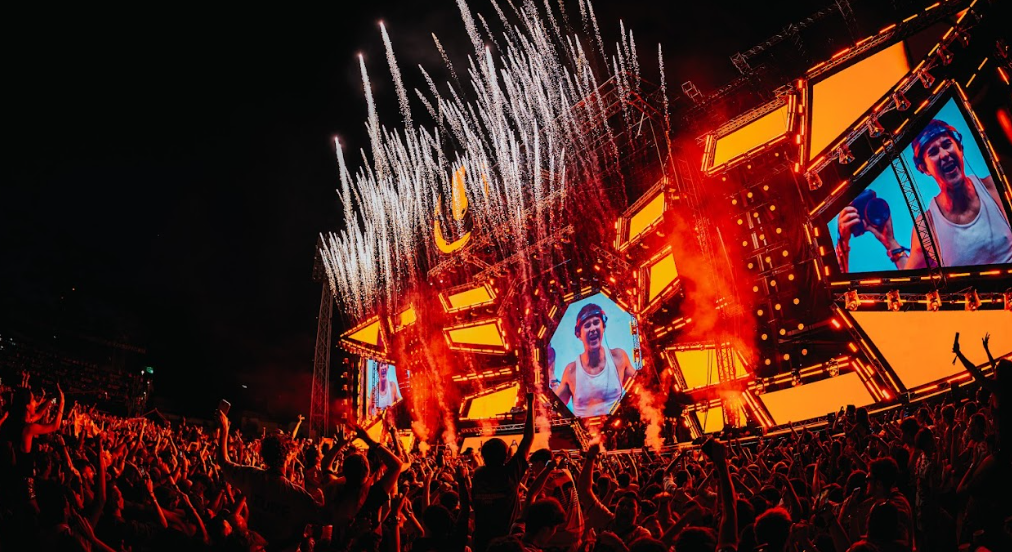
What started as a side hustle among friends has turned into an ambassador led model now trusted by events like Kygo’s Palm Tree Festival, Ultra Europe, LIV Golf, Windy City Smokeout, and Bert Kreischer’s Full Throttle Festival and many other clients.
But what makes it work isn’t some complex marketing system—it’s the opposite.
“With these programs, the mistake most brands make is over-engineering the system or turning it into a data grab,” Hilburn explains. “We focus on people who already love the event and give them simple tools to activate their communities. When that happens, sales follow naturally.”
That “something real” has turned into a new kind of participation in live events—one where fans aren’t just buying tickets, but helping drive the experience itself.
Trust Over Reach
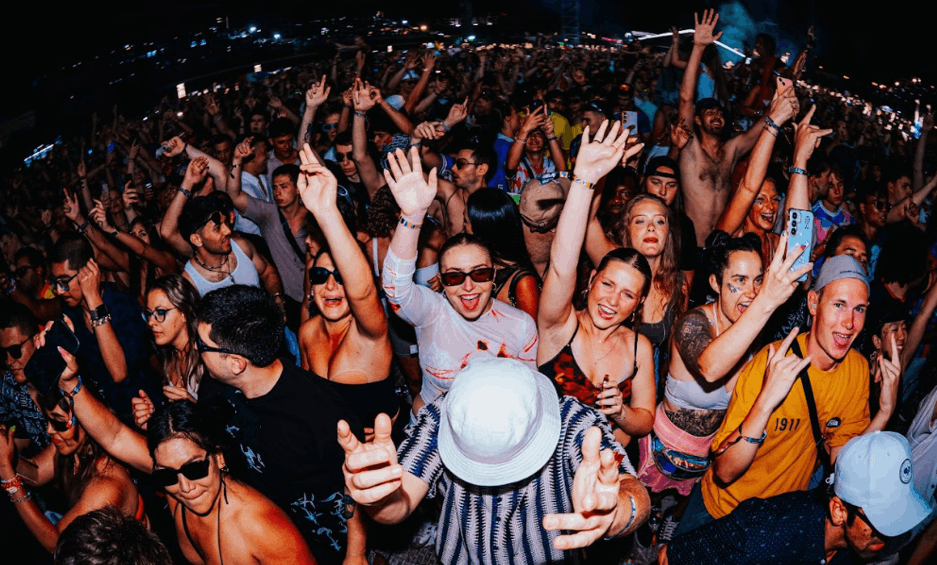
Traditional marketing is built on reach: how many people see something. But in music culture, reach has never been the deciding factor—trust has.
The friend who always knows the right party.
The person who puts you onto your next favorite artist.
The one group chat that actually gets everyone out of the house.
Surge taps into that dynamic. Its network of 10,000+ participants—spread across campuses, cities, and local scenes—aren’t influencers in the traditional sense. Most don’t have large followings at all.
And when that kind of influence is activated at scale, the results are hard to ignore. For some events, this approach is driving up to 30% of total ticket sales.
The Future Feels Familiar
In many ways, this isn’t a new idea at all. It’s a scaled version of something that’s always existed in music culture—word-of-mouth, community, and shared discovery.
What’s new is the infrastructure around it. Instead of being invisible, that influence is now measurable. Instead of being informal, it’s now rewarded. And instead of being limited to small circles, it can now scale across entire events.
That’s why artists, festivals, and brands are paying attention. Because in a landscape saturated with noise, the most effective signal might still be the simplest one:
Someone you trust telling you, “you should be there.”