
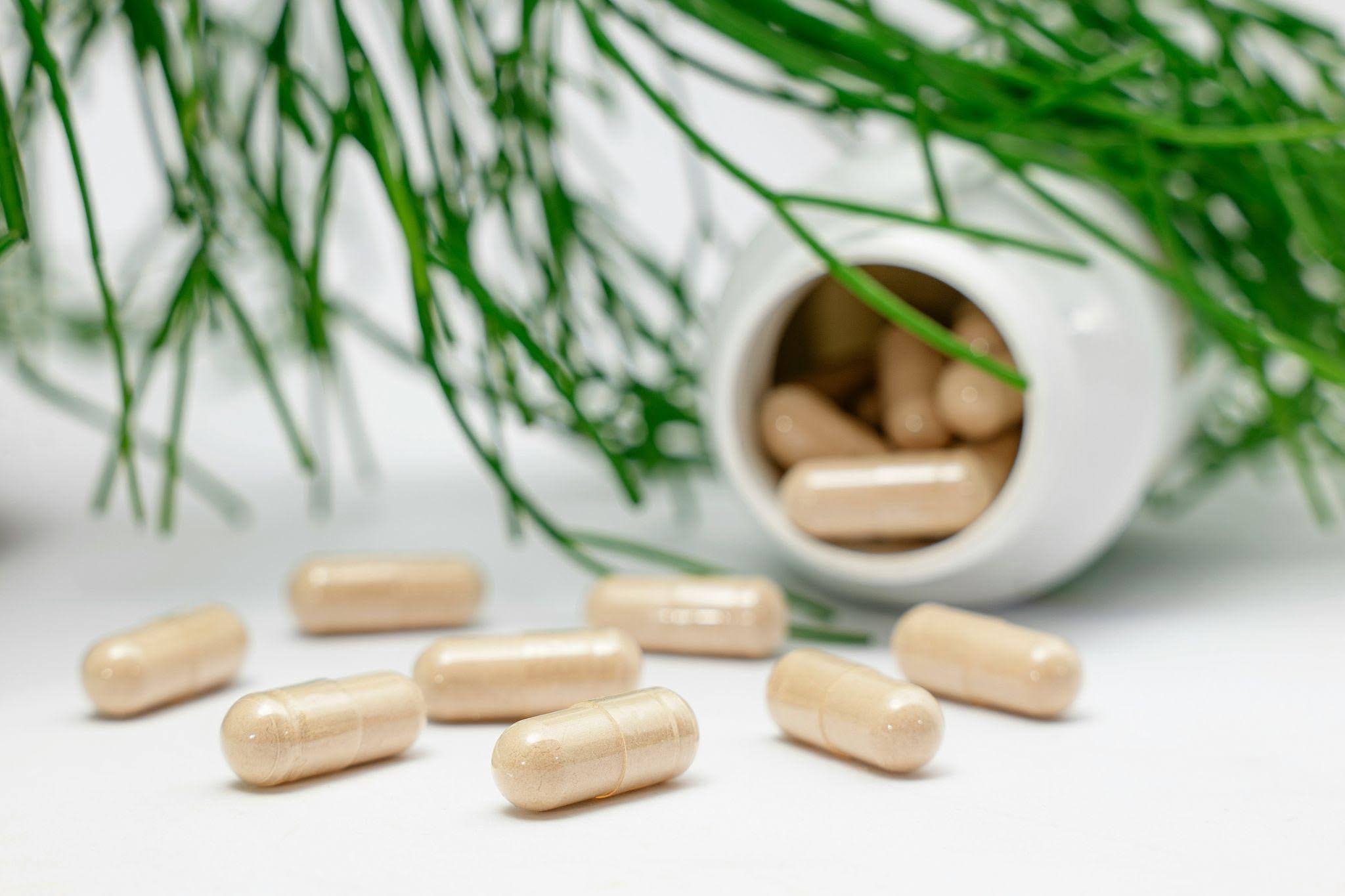
ColonBroom GLP-1 Booster claims to aid weight loss, regulate blood sugar, and control appetite. Does it deliver on that claim?
You must have heard about natural GLP-1 if you’ve spent any time online in the last couple of years. GLP-1 is a hormone our body uses to regulate our blood sugar and appetite.
Supplement brands like ColonBroom produce GLP-1 boosters to aid the creation of this hormone naturally. We will cover who the supplement is made for, what’s inside the formula, and the results you can expect in this ColonBroom review.
Why Everyone Suddenly Wants A “Natural GLP-1” Supplement
A few years ago, most people had never heard of GLP-1. Now it’s one of the topics people talk about the most in health and wellness.
This is mostly because of Ozempic. It was originally made for people with type 2 diabetes, but it became known for its effects on appetite and weight. Then Wegovy came with the same active ingredient approved specifically for weight loss. Suddenly, everyone seemed to be talking about it.
But not everyone wants a prescription drug. Not everyone wants to deal with the cost and side effects that sometimes come with them. Some people prefer a more natural option like appetite control supplements that work with the body’s systems instead of replacing them.
This is why natural GLP-1 supplements like the ColonBroom GLP-1 booster are now popular.
Inside The Formula
The ColonBroom GLP-1 booster contains a small group of non-pharmaceutical ingredients. Let’s go through them one by one.
Berberine
Berberine is a compound that comes from several plants, including barberry. It’s been used in traditional medicine for centuries, mostly for digestive issues, but in the last couple of decades, research has shown it can also affect blood sugar and metabolism.
Berberine works by activating an enzyme called AMPK, which controls metabolism and energy use in the body. According to UCLA Health, this activation can increase fat burning and reduce how much fat the body stores.
There’s also a more direct connection to GLP-1. Research has looked at how berberine stimulates GLP-1 secretion in intestinal cells, and a study in mice found that berberine improved islet cell function through GLP-1-related signaling pathways. Another animal study, covered by researchers at Peking Union Medical College, found that eight weeks of berberine treatment significantly lowered fasting blood sugar and increased GLP-1 levels after meals.
However, meta-analyses of berberine trials show only modest reductions in blood sugar markers and mixed results on body weight. So berberine is useful, but it’s also not a substitute for a prescription GLP-1 drug. They have different mechanisms, and GLP-1 drugs produce far more consistent weight loss results.
Chromium Picolinate
Chromium is a trace mineral your body needs in small amounts for normal metabolism. Chromium picolinate is just a more absorbable form of it.
The main reason it shows up in appetite supplements is its link to blood sugar stability. When your blood sugar swings up and down, cravings tend to follow. When it’s steady, you may have fewer sudden urges to snack.
A Cochrane review of nine randomized controlled trials, covering over 600 overweight or obese adults, found that chromium picolinate supplementation led to about one extra kilogram of weight loss compared to placebo over 8 to 24 weeks.
There’s also research specifically on appetite and cravings. A pilot study on chromium picolinate for binge eating disorder found that fasting glucose dropped significantly in the chromium groups. Other research cited in that study has linked chromium to reduced food intake, hunger, and fat cravings in overweight women who crave carbohydrates.
5-HTP
5-HTP stands for 5-hydroxytryptophan. It’s a natural compound your body uses to make serotonin, which is the neurotransmitter tied to mood, but also to appetite and satisfaction after eating.
The logic here is that if serotonin levels are low, you might feel hungrier or more drawn to comfort eating, especially when you’re stressed. 5-HTP is meant to help you feel satisfied after meals by supporting serotonin production.
Studies have also found that 5-HTP led to reduced food intake and weight loss, along with reduced carbohydrate intake, without negatively affecting mood. It’s a smaller body of research compared to berberine, but the appetite connection is consistent with what we know about serotonin’s role in eating behavior.
Saffron Extract
Saffron is best known as a spice, but extracts of it have been studied for mood and appetite. The mechanism is similar to 5-HTP; saffron may influence serotonin activity in a way that helps with snacking and emotional eating.
One study in 60 overweight women found that those taking 176 mg of saffron extract daily had a significant reduction in snacking and lost more weight than the placebo group. That said, larger and longer-term studies are still needed before saffron’s role in appetite reduction can be considered well established.
Bupleurum Root Extract
This one is not popularly used in GLP-1 supplements, but ColonBroom uses it. Bupleurum is a plant used in traditional Chinese medicine, often associated with liver support and balancing blood sugar. In the context of this product, it’s positioned as a supporting ingredient for overall metabolic wellness rather than a primary driver of appetite control.
Could This Formula Actually Help You Eat Less?
This is the main question that people looking for a ColonBroom GLP-1 Booster review are asking. Let’s break it down by the specific eating patterns this kind of supplement is supposed to address.
Hunger Between Meals
ColonBroom GLP-1 Booster works great for containing hunger between meals. The combination of chromium and berberine is mainly aimed at keeping blood sugar steadier throughout the day. If your blood sugar tends to spike after a meal and then crash an hour or two later, that crash often shows up as sudden hunger. Steadier blood sugar could mean less of that mid-afternoon craving.
Late-Night Cravings
This is where 5-HTP and saffron are doing most of the work. Late-night cravings are often tied to mood, stress, or boredom rather than actual physical hunger. Supporting your serotonin levels with these ingredients may help take the edge off that urge to snack while watching TV at night. However, this varies from person to person, but for most people, ColonBroom GLP-1 delivers on that.
Portion Control
How full you feel after a meal is determined by your satiety signals, and that’s influenced by both blood sugar stability and serotonin. In theory, if both of those are more balanced, you might naturally feel done eating sooner. But it’s important to be realistic: this isn’t going to create the strong, almost automatic appetite suppression that prescription GLP-1 drugs are known for. The supplement only supports what’s already happening in your body.
Staying Consistent In A Calorie Deficit
This is probably the most honest way to frame what ColonBroom GLP-1 supplement can do. A calorie deficit is hard to stick to when you’re constantly fighting hunger and cravings. If this formula takes even a small edge off those feelings, it makes it easier to stay consistent with your eating plan over weeks and months. It’s a support tool for your body and your own efforts.
Who Might Get The Most Value From ColonBroom GLP-1 Booster?
Not everyone is going to get the same value out of this product. Here’s who it’s best suited for.
People Trying To Lose Weight Without Prescription Drugs
If you’ve decided prescription GLP-1 medications aren’t right for you, whether because of cost, side effects, or just personal preference, this falls into the category of natural support options. It’s not going to replicate those drugs, but it’s a reasonable option to pair with diet and exercise changes.
Former GLP-1 Users Worried About Weight Regain
Doctors and researchers are actively discussing weight regain after stopping GLP-1 medications, so that’s a legitimate concern to have. Some people look for supplements like this to help ease the transition, since the blood sugar and appetite support ingredients here may help soften the rebound in hunger that can happen when a medication is stopped.
Chronic Snackers And Emotional Eaters
If your biggest struggle is reaching for snacks out of stress or boredom, even when you’re not really hungry, this supplement is well-suited for you. You can benefit from the serotonin support from ingredients like 5-HTP and saffron.
People Struggling With Portion Control
If you tend to eat past the point of where you’re already full, your blood sugar may be the problem. The blood sugar stabilizing ingredients in the supplement might help you notice satiety signals a bit earlier. Again, this works best alongside mindful eating habits.
What Results Can Users Realistically Expect?
First Few Weeks
Don’t expect dramatic changes in the first week or two. GLP-1 Boosters are described as a slow-building supplements, with the research that showed meaningful results typically running eight to twelve weeks at a minimum. Some people report feeling slightly less “food noise” early on, but for most, the early weeks are about building consistency. Results typically come later on.
After Consistent Use
Around the two to three month mark is when the research suggests these ingredients start to show their effects, if they’re going to. This lines up with the 8 to 24 week timeframes used in chromium picolinate studies and the 8 to 12 week minimum noted for berberine. At this stage, some users might notice steadier energy, fewer intense cravings, and an easier time sticking to portion sizes.
Long-Term Performance Support
For longer-term use, the realistic expectation is gradual support rather than a transformation. The blood sugar and mood-related benefits tend to be modest. Even in well-studied compounds like berberine, body weight changes are described as variable, and the effects are nowhere near the 10% to 15% weight loss seen with prescription GLP-1 medications. Long-term, this is best thought of as one piece of a bigger lifestyle approach, not the main driver of results.
What We Liked About ColonBroom GLP-1 Booster (And What Gives Us Pause)
Pros
- The formula uses ingredients with published research behind them, rather than a list of trendy names with no backing.
- Berberine, chromium picolinate, 5-HTP, and saffron extract all show up in peer-reviewed studies related to blood sugar, appetite, or mood.
- The supplement is in capsule format, so it doesn’t require mixing powders or shakes, which makes it easy to fit into a daily routine.
- ColonBroom is an established brand in the gut health space, which gives it more credibility than a brand-new company with no history.
Cons
- The effects shown in studies for these ingredients are described as modest, gradual, and sometimes inconsistent across different trials.
- Anyone on blood sugar medication needs to be cautious, since berberine and chromium can both affect glucose levels and may interact with prescription drugs.
Final Verdict: Weight-Loss Shortcut Or Useful Appetite-Control Tool?
So where does that leave us?
In terms of formula quality, the ColonBroom GLP-1 booster is not a random mix of unproven ingredients. Berberine, chromium picolinate, 5-HTP, and saffron extract all have a real evidence base when it comes to blood sugar, mood, and appetite.
For ingredient selection, the formula makes sense as a combination. Blood sugar stability plus mood and satiety support is a reasonable approach to reducing cravings and emotional eating, and those are two of the biggest obstacles people face when trying to lose weight.
When it comes to performance benefits, the honest answer is that this is a support tool, not a replacement for prescription GLP-1 medications. The mechanisms are different, and the scale of results is different too.
As for value, that depends on what you’re looking for. If you’re looking for something that might take a small edge off cravings and blood sugar swings while you work on bigger lifestyle changes, it’s a reasonable option to try, as long as you go in with realistic expectations and check with a doctor first, especially if you’re managing blood sugar with medication already.