
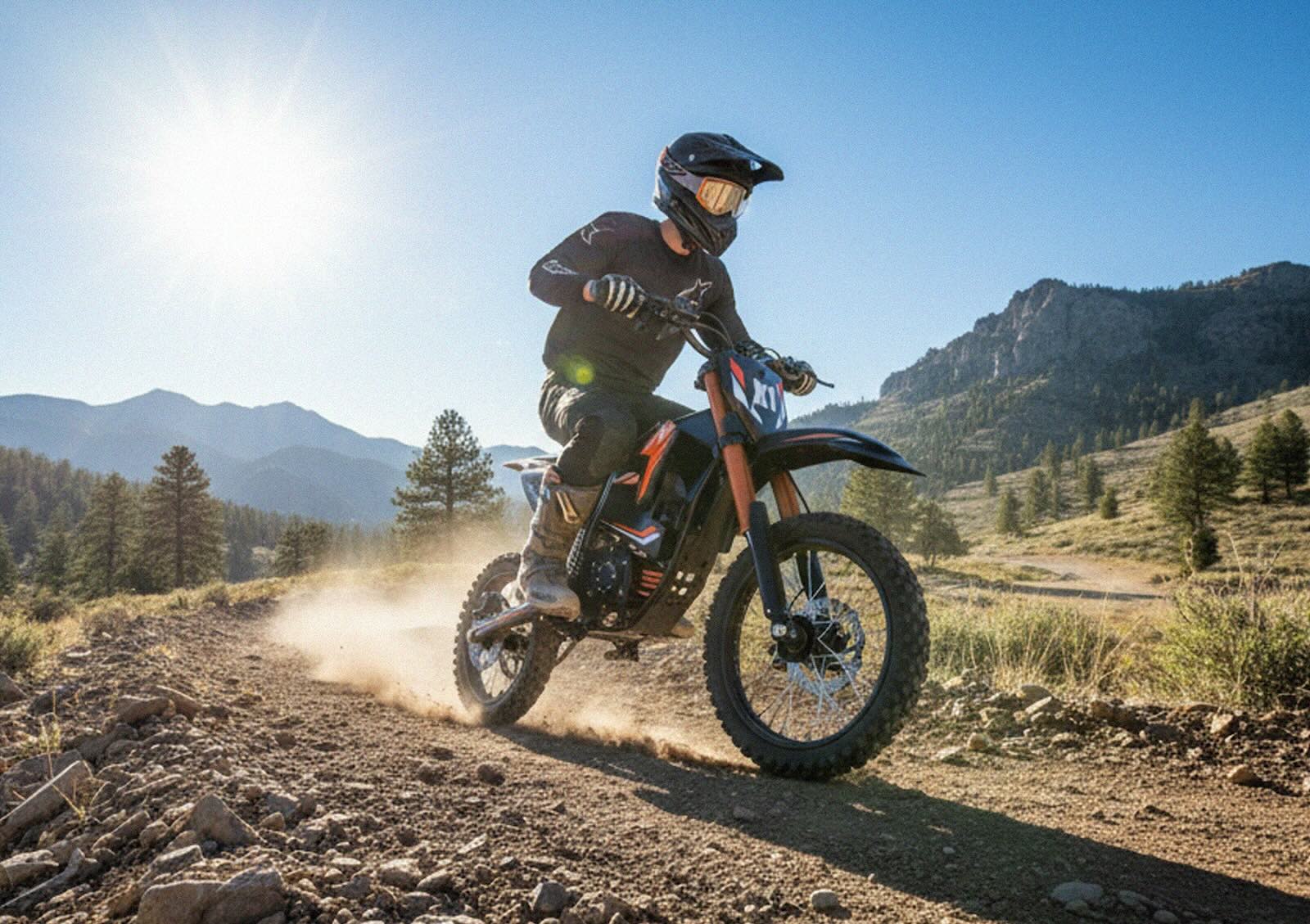
Buying an electric dirt bike often feels like a big decision. The price, the specs, the promised torque, and that first smooth test ride can all make it seem like a smart move. But whether it truly feels worth it isn’t decided in the showroom.
The real answer usually shows up months later—after regular rides, routine charging, and real ownership replace the excitement of day one. That’s when the question of value becomes clearer.
Looking Beyond the First Impression
The first ride on an electric dirt bike is often memorable. Instant torque, smooth acceleration, and quiet operation create a different kind of riding experience compared to gas-powered models. There’s no warm-up routine, no shifting through gears, and no engine vibration dominating the ride.
But first impressions can be misleading.
Early excitement doesn’t automatically translate into long-term satisfaction. A bike that feels impressive in a short demo still needs to prove itself over time. Does it remain enjoyable after dozens of rides? Does it continue to feel practical once charging and storage become part of everyday life?
Evaluating electric dirt bikes based on extended ownership offers a more realistic picture of their true value.
How Electric Dirt Bikes Hold Up in Everyday Use
One of the most noticeable differences over time is convenience.
Electric dirt bikes typically start instantly and require minimal preparation before riding. There’s no fuel to mix, no carburetor adjustments, and no engine warm-up. For many owners, this lowers the barrier to riding more frequently.
Over months of use, that convenience adds up. Riders often find themselves taking shorter, spontaneous rides because the setup process is simple. In situations where time is limited—after work or on weekends—that ease of access can increase actual riding frequency.
Charging also becomes less of a disruption once it becomes routine. Instead of being viewed as an inconvenience, it turns into a predictable habit, much like charging other battery-powered devices.
For riders who value simplicity and flexibility, everyday usability becomes one of the strongest long-term advantages of electric dirt bikes.
Maintenance and Ownership Over Time
Maintenance is another area where long-term ownership often clarifies value.
Gas dirt bikes require regular oil changes, fuel management, engine servicing, and mechanical adjustments. For experienced riders who enjoy working on engines, that may be part of the appeal. For others, it represents ongoing time and effort.
Electric dirt bikes generally have fewer moving parts and no internal combustion engine. Over extended use, this often translates into reduced routine maintenance. There are still components to monitor—brakes, suspension, tires—but engine-specific servicing is largely eliminated.
Over months or years, this difference becomes noticeable. Less time spent on maintenance can mean more time riding. For some owners, that shift alone contributes significantly to whether the bike feels worthwhile.
That said, battery health becomes part of the ownership equation. Responsible charging habits and proper storage matter. But when managed properly, battery performance for many riders remains stable enough to meet everyday riding needs.
Performance in Real-World Riding
Performance expectations also tend to evolve.
When evaluating electric dirt bikes initially, many riders focus on peak speed and power output. However, after regular use, riding style often matters more than maximum numbers.
Electric dirt bikes deliver smooth, consistent torque from the moment the throttle is engaged. For trail riding, practice sessions, and recreational use, that responsiveness can feel controlled and predictable. Riders who are not competing at high levels may find that real-world performance remains more than sufficient.
In contrast, riders who frequently push for extended high-speed runs or competitive environments may notice limitations compared to high-performance gas models. Extended distance and rapid refueling still favor combustion engines in certain contexts.
The key observation over time is that performance satisfaction depends heavily on how the bike is actually used—not how it performs on paper.
Early Concerns vs. Long-Term Reality
Before buying electric dirt bikes, many prospective owners worry about range, charging time, and battery longevity.
After extended use, those concerns often become more practical and less theoretical.
For riders who typically ride in shorter sessions, range anxiety tends to diminish. If most outings fall within the battery’s capacity, range becomes a manageable planning factor rather than a constant frustration.
Charging time, while longer than refueling a gas tank, often integrates into routine scheduling. Overnight charging, for example, eliminates much of the inconvenience for many owners.
Battery degradation is a valid consideration, but for typical recreational riders, the performance difference over a year of moderate use is often less dramatic than early fears suggest.
This doesn’t mean limitations disappear. It means they become predictable and manageable within realistic riding habits.
Who Tends to Find Electric Dirt Bikes Worth the Investment
Long-term satisfaction with electric dirt bikes tends to align with specific usage patterns.
Riders who use their bikes recreationally rather than competitively often appreciate the combination of simplicity and sufficient performance. Those riding near residential areas may also value quieter operation over maximum engine output.
Owners who prioritize ease of use and reduced mechanical involvement frequently report higher long-term satisfaction. For these riders, electric dirt bikes fit naturally into their lifestyle.
Conversely, riders whose primary focus is high-level racing or long-distance, remote trail riding may find that gas dirt bikes better align with their specific demands.
Value, in this sense, isn’t universal—it’s contextual.
Value Comes Down to Fit, Not Hype
After a year or more of ownership, the question of whether electric dirt bikes are worth it becomes less about marketing claims and more about fit.
Do they make riding more accessible?
Do they reduce maintenance burdens?
Do they match how often and where you ride?
For many everyday riders, the answer tends to lean toward yes. Not because electric dirt bikes replace gas models in every category, but because they deliver consistent performance aligned with real-world use.
As the category continues to mature, brands such as Qronge are focusing on durability and balanced performance designed to hold up over extended ownership rather than simply creating strong first impressions. That shift reflects a broader trend in how riders evaluate value—less emphasis on peak numbers, more emphasis on long-term practicality.
Ultimately, electric dirt bikes prove worthwhile when expectations match usage. When they are chosen based on realistic riding habits rather than assumptions, extended ownership often confirms the decision.
“Worth it” isn’t determined on day one. It becomes clearer after real miles, real maintenance cycles, and real experience. And for many riders, that longer view offers a more confident answer than any initial test ride ever could.