
The path from making music to making a living from it used to run almost exclusively through a record label. Labels provided distribution, marketing budgets, studio access, and the industry relationships that could translate good songs into commercial success.
That model hasn’t disappeared, but its dominance has been fundamentally challenged by a combination of streaming platforms, social media, and direct-to-fan tools that didn’t exist twenty years ago.
Independent artists in 2026 are building sustainable careers in ways that would have been structurally impossible a decade earlier – and doing it on their own terms.
The Tools that Changed Everything
The most significant shift has been the dramatic reduction in the cost and complexity of producing, distributing, and promoting music independently. A home recording setup that would have been considered professional-grade five years ago is now within reach of most serious artists.
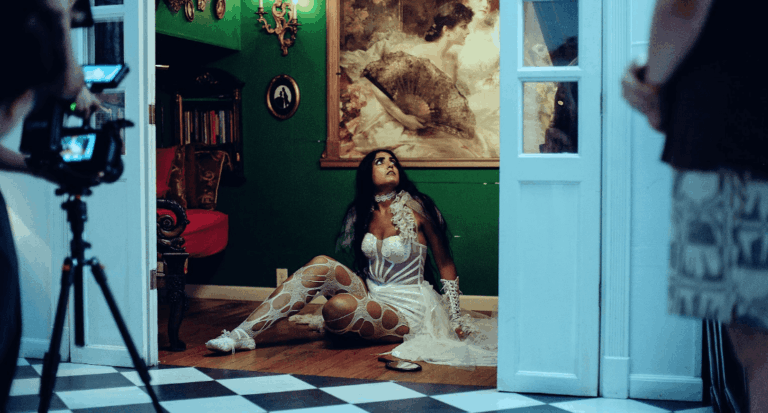
Visual content has become central to independent music promotion, and the equipment available for it has improved substantially. Compact cameras like those at https://store.insta360.com/collections/compact-cameras are examples of how accessible high-quality camera gear has become for artists who want to produce compelling visuals without a production budget.
The ability to create music videos, live session footage, and short-form content independently has closed a significant gap between independent and label-backed artists in terms of online presence.
Building an Audience Directly
Independent artists have learned to build audiences on social platforms in ways that labels are often slower to execute.
TikTok in particular has become a major discovery channel – songs can go viral through user-generated content without any traditional promotion, and the artists behind them can convert that viral moment into a fanbase through consistent, authentic engagement.
The key distinction is that independent artists who own their audience – through email lists or Patreon memberships – are in a fundamentally stronger position than those who depend entirely on algorithm-dependent social reach.
A social following can evaporate through a platform change or algorithm shift. A direct relationship with fans cannot.
Revenue Diversification
Label deals have historically involved artists giving up significant portions of their revenue in exchange for upfront investment.
Independent artists retain ownership of their masters and a much higher share of streaming income, but they also have access to revenue streams that have grown substantially in recent years.
Sync licensing – placing music in films, TV shows, advertisements, and games – has become increasingly accessible to independent artists through platforms that connect music supervisors directly with creators. Merch, live shows, content subscriptions, and brand partnerships all represent income streams that don’t require label infrastructure to access.
The Community Layer
One underappreciated aspect of independent music careers is the role of community – both among artists and with fans. Independent artists collaborate, cross-promote, and share resources in ways that the traditional label system, built on competition for finite roster slots, didn’t particularly encourage.
Online communities of independent musicians share knowledge about distribution, publishing, promotion, and the specific platform mechanics that determine how and when music gets surfaced to new listeners.
This collective intelligence has accelerated the learning curve for artists entering the independent space.
What Independent Really Means Now
The term “independent” covers a wide range of situations today. Some artists choose independence to retain full creative and commercial control. Others are effectively small businesses, managing their own team of collaborators, managers, and publicists.
Some work with distribution companies or smaller labels that provide certain services without the control clauses of a traditional major deal.
The common thread is that the choice is now genuinely available, and the ceiling for what an independent career can look like has risen considerably.
Artists who would previously have needed label backing to reach a certain level of commercial success can now reach it through direct audience relationships, and on significantly better financial terms.
Where the Industry Goes from Here
Labels haven’t become irrelevant, but their function has narrowed. The services that once justified their control of an artist’s masters – distribution, physical retail, radio promotion – are either obsolete or available elsewhere.
What labels still offer is capital, established relationships, and the particular kind of scale that a major marketing campaign can achieve.
For many artists, the calculation has simply shifted. Independence means more control, more income per stream, and a direct relationship with the audience. The trade-off in resources is real but increasingly manageable.