CULTURE
Inside the Mind of a Publicist: 7 Unspoken Secrets to Getting Media Coverage

21 Sep
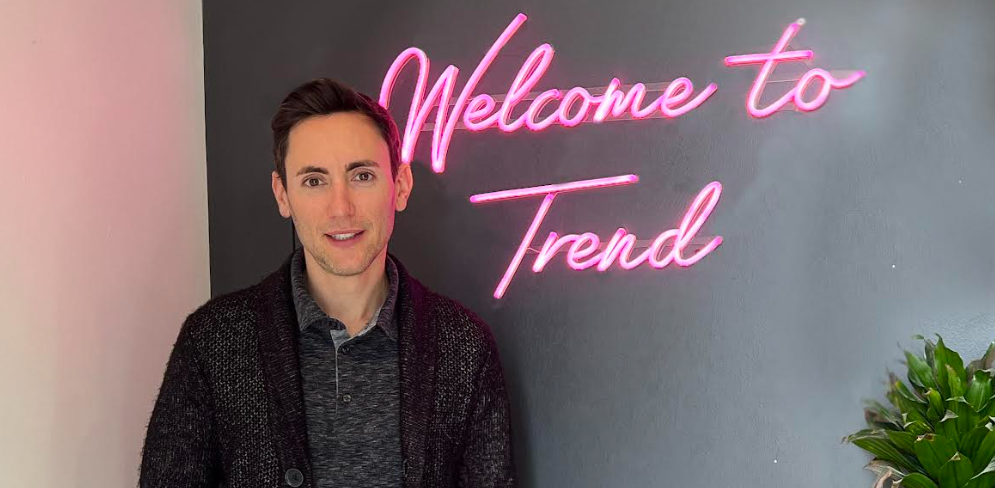
Every artist wants press, and almost none of them know how it actually gets made. So we picked the brain of one of Los Angeles’ most seasoned music publicists about what really happens before a pitch ever lands in a journalist’s inbox.
From the outside, music press looks like luck. An artist drops a single, some blog writes it up, and a month later a bigger outlet is calling. What you never see is the machinery underneath. Weeks of prep. Relationships that go back years. A bunch of unglamorous calls about which story to tell, and who might actually want it.
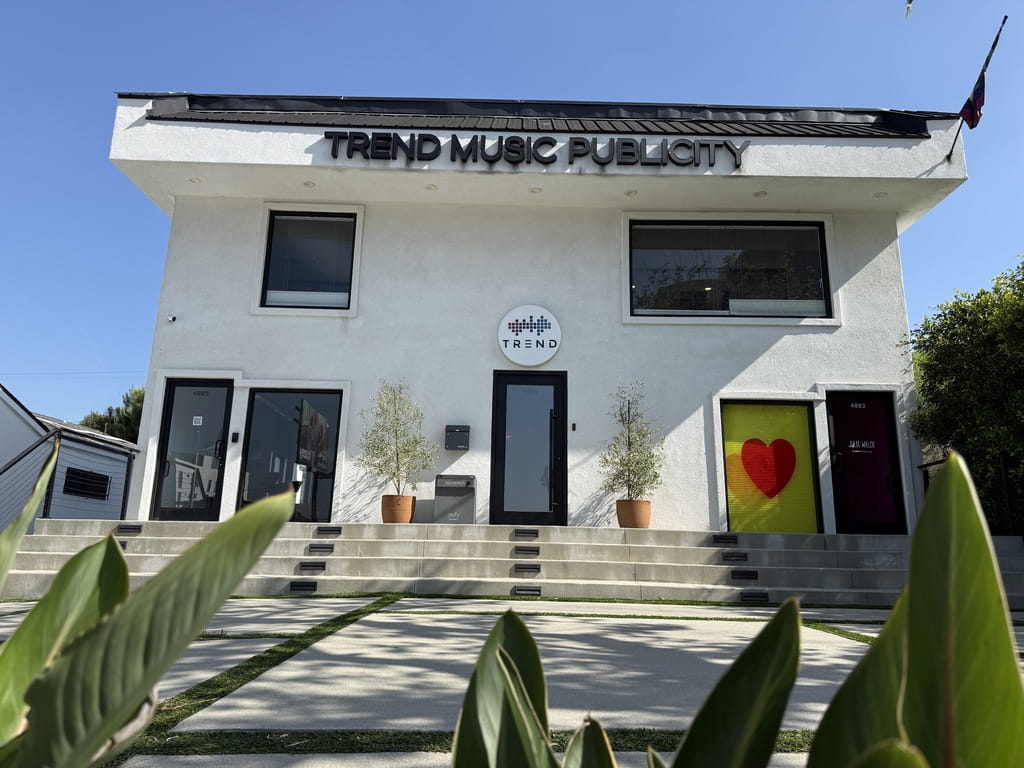
To get past the mythology, we went to Hunter Scott, founder and president of TREND PR. Eighteen years in, his boutique Los Angeles firm has quietly become one of the best music PR firms for independent artists. The roster has ranged from Mitski and KARMIN to Boyce Avenue and KARD. Client retention sits at 94 percent, which is nearly unheard of in this business. Hunter also teaches music marketing at UCLA and chairs the board of The Musicians Foundation, so he has spent the better part of two decades explaining how press actually works to people hearing it for the first time. We asked him to do it one more time, on the record.
Here are the seven things he wishes every artist understood before chasing coverage

1. Relationships Are Your Ticket In
“The artists who think PR is a mass email to 500 writers are the ones who get zero replies,” Hunter says. “The writers we work with know that when TREND sends them something, it fits what they cover. That trust took years. You can’t rush it, and writers can smell it when somebody tries to fake it.”
An email address is not a relationship. Anyone can scrape a contact list. What gets a pitch opened is the name on it, and that name only means something if the last few pitches from it were worth opening: the right story sent to the right writer, without wasting anyone’s afternoon. Every irrelevant pitch costs you something, because writers remember.
2. Timing Can Make or Break a Pitch
Timing sounds like the boring part of publicity. It kills more good pitches than bad writing does. Journalists work on editorial calendars and release cycles, under deadlines that have nothing to do with your album. And there are fewer of those journalists every year: Billboard has covered how sharply the music media landscape has contracted, which makes the inboxes that remain even more crowded.
Then there’s following up, which is its own minefield. Stay on a writer’s radar without becoming the reason they set up an inbox filter.
“Follow up once, maybe twice, then take a deep breath and let it go,” Hunter says. “Some writers take a third email as harassment. Others have already made a folder for you by then. You learn where each one draws the line, and that really is half the job.”
3. Coverage Compounds: Small Placements Buy Big Ones
A first placement rarely changes anything on its own. What it changes is the next conversation. Small features stack. Album reviews, interviews, a local write-up here and there, and pretty soon there’s a media presence, which is exactly what bigger outlets check before they say yes. A writer at a major publication wants to see that somebody else took the risk on you first.
“Nobody wants to show up first to the party, right?” Hunter says. “People want to walk into a room where something’s already happening. So our job is to make sure that when the big outlet Googles you, there’s already a conversation going on. You build coverage over months. In eighteen years I’ve seen it happen overnight maybe twice.”
4. Pitch the Story, Not the Song
A great song might catch a journalist’s ear, but a song alone is not a story, and no journalist has time to go digging for one. A strong pitch does the digging for them: where the release came from, and why anyone beyond your existing fans should care.
“I tell artists this constantly,” Hunter says. “The music makes someone lean in, but a writer still needs something to write about, and that’s the story’s job. If you can’t explain in two sentences why your release matters right now, you’re not ready to pitch it.”
And keep it short. If the interesting details don’t hook a writer, adjectives won’t save you.
5. Not Every Story Belongs Everywhere
Not every pitch has a home everywhere, and a pass usually isn’t a verdict on the music. The calendar was full that month, or the writer covers a different lane entirely.
“Early in my career, a ‘no’ felt personal. No one wants to feel rejected or ignored,” Hunter says. “But as someone who now receives over 100 emails a day, I get it. Not everyone has the time to write about you or take three minutes to listen to your upcoming track. That doesn’t mean it’s not great or that someone else won’t pick it up. So you stop knocking on that one door and you find the right one. Some of our best placements came from the second or third door.”
6. Your Assets Do Half the Pitching
Before a single email goes out, a publicist has already spent weeks on what you might think of as paperwork: the bio, the press photos, the press kit, the release timeline. Nobody sees that work. It decides more outcomes than the pitch does.
“I can’t tell you how many times a writer told me they loved the music but felt the images were not ‘on-brand’ for their outlet,” says Hunter. “It’s a big reason we brought social media marketing in-house years ago, before most publicists considered an artist’s visual presence part of the job.”
To a writer on deadline, the photos, a usable bio, and streaming links that actually work decide whether the feature gets filed by five o’clock or your tab quietly gets closed.
7. Know What a Publicist Can Do That You Can’t
Plenty of artists handle their own outreach at first, and Hunter is quick to say some do it well. The difference shows up in reach, and in everything surrounding the press itself.
The job also covers a lot more ground than it did ten years ago. A firm like TREND, which started as a traditional publicity shop, now runs Spotify playlisting, social media marketing, and fan management alongside press campaigns, because a press campaign that ignores streaming and socials stopped making sense years ago. It’s part of why the firm keeps turning up on industry roundups of the top music PR companies, and why so much of its client list is emerging and independent artists.
“An artist can send emails,” Hunter says. “What they can’t do is walk into relationships that took nearly 20 years to build, or run press, playlisting, and socials as one campaign instead of three. That’s what you’re actually hiring. And a warning, because this industry has earned it: anyone who promises you a specific placement in a specific outlet is selling ad space. What a serious firm can do is be honest about whether your project is ready, and be willing to own the outcome either way.”
So that’s the unglamorous version: start with music that’s actually good, then do the quiet work of preparation and timing, and find a story a stranger would actually want to tell. From the outside, it will still look like luck. It almost never is.
Want to go deeper on the nuts and bolts? TREND’s own guide to getting media coverage breaks the process down step by step.