
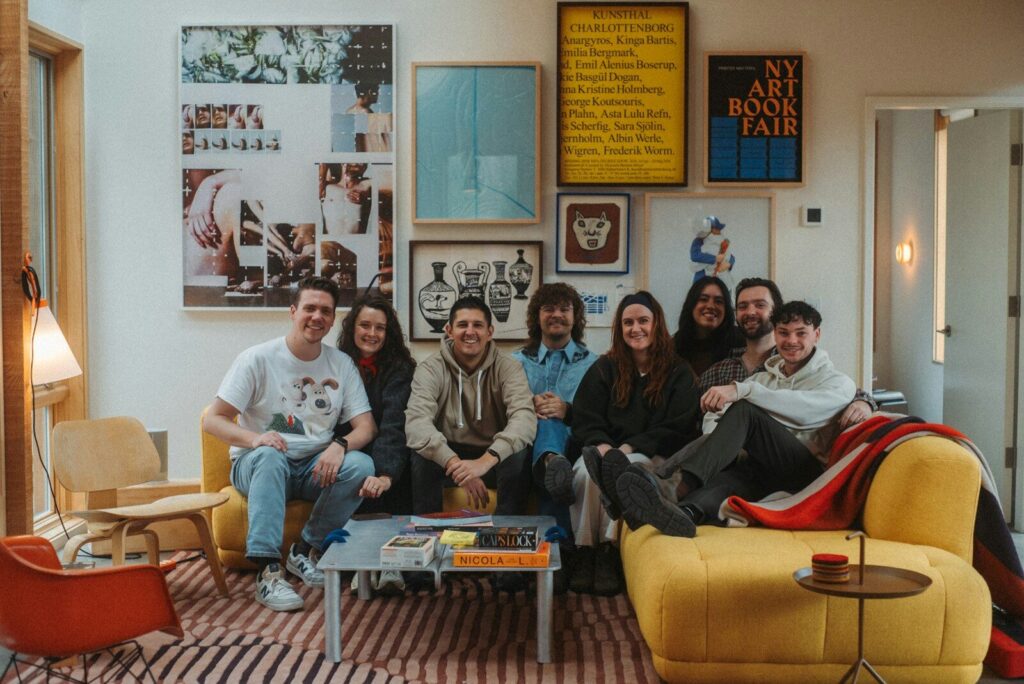
Going out is no longer the automatic choice whenever people want to celebrate, catch up or spend a weekend evening together. For many, a smaller gathering at home now offers something that crowded bars, restaurants and large events often cannot: more control over the pace of the night.
There is no queue to get inside, no pressure to move on when a booking ends and no need to compete with loud music to have a conversation. Hosts can choose the food, music and guest list while keeping the evening as casual or polished as they want.
That shift does not mean people have stopped enjoying nights out. It simply reflects a growing appreciation for social plans that feel easier, more personal and less dependent on a busy venue.
Home Entertaining Has Become More Intentional
One reason smaller gatherings have become more appealing is that people are paying more attention to the spaces where they entertain.
A patio, garden or modest backyard can feel completely different once it has comfortable seating, useful lighting and a layout that encourages people to stay. Sites such as Backyard Escapism reflect that wider interest in treating outdoor areas as genuine extensions of the home rather than spaces used only occasionally.
The most effective changes are often simple. Guests need somewhere comfortable to sit, somewhere to place a drink and enough lighting to move around safely once the sun goes down.
When those basics work, entertaining at home becomes much easier to repeat.
Smaller Groups Make Conversation Easier
Large social events create energy, but they do not always create connection.
At a smaller gathering, people can usually stay in one conversation long enough for it to go somewhere. There is less shouting across tables, fewer interruptions and less pressure to circulate constantly.
That can be especially appealing for friends who do not see each other often.
A group of six or eight people around a table may spend several hours actually catching up, whereas the same people at a crowded venue might only exchange short conversations throughout the night.
The atmosphere is different too. People often feel less rushed when there is no closing time, reservation limit or next destination to think about.
Hosts Can Spend Where It Matters to Them
Going out can become expensive surprisingly quickly once transport, drinks, food, entry fees and other costs are combined.
Hosting at home does not automatically mean spending less, but it gives people more control over where the money goes.
One host may put most of the budget into good food. Another may prefer better drinks, music or outdoor lighting.
Guests can also contribute by bringing a dish or bottle, turning the gathering into something shared rather than leaving one person responsible for the entire expense.
The flexibility is part of the appeal.
Instead of paying for an experience designed for everyone, people can create one that reflects what their particular group actually enjoys.
Small Celebrations Can Still Feel Special
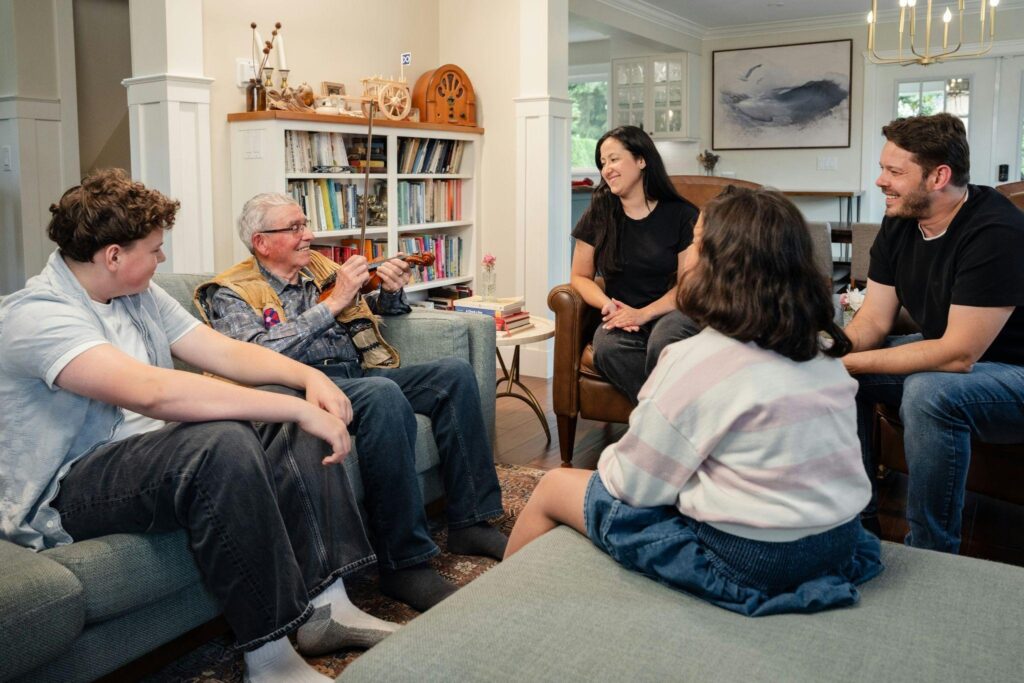
Staying home does not have to mean treating the evening like any other night.
Birthdays, engagements and holiday gatherings can still have moments that separate them from an ordinary dinner. A specially prepared dessert, a playlist built around the group or a few decorations can be enough to change the atmosphere.
For an outdoor celebration, hosts may occasionally include sparkler fireworks as a brief visual moment rather than trying to turn the entire evening into a large-scale event.
The strength of a smaller gathering is that it does not need constant entertainment.
One or two memorable details usually have more impact than filling every hour with planned activities.
Food Works Better When It Is Easy to Share
Home gatherings tend to be more relaxed when the food matches the format.
Large formal meals can create unnecessary work for the host, particularly if everyone is expected to sit down at the same moment.
Sharing dishes are often easier.
Boards, small plates, simple grilled food and dishes that can be prepared in advance allow people to eat gradually without interrupting the conversation.
This also gives the host more time with guests.
The aim should be to avoid spending most of the evening in the kitchen while everyone else is socialising.
A few dependable dishes usually create a better night than an ambitious menu that leaves the person hosting exhausted.
Outdoor Space Changes the Mood
When weather allows, moving even part of the gathering outside can make it feel more like an occasion.
People naturally spread out, conversations form in smaller groups and the evening can move between indoor and outdoor areas rather than remaining around one table.
Outdoor spaces also accommodate different types of socialising.
Someone may sit near the food, another group may gather around a table and others may prefer standing and talking away from the main crowd.
Comfort still matters. Extra seating, blankets on cooler evenings and enough lighting make it far more likely that guests will actually use the space rather than retreat indoors immediately.
A backyard does not need to be large to work well. It simply needs to feel usable.
There Is Less Pressure to Make the Night Perfect
Perhaps the biggest advantage of smaller gatherings is that they can be informal without feeling unsuccessful.
Not every evening needs a detailed schedule or impressive setup.
Friends can arrive at slightly different times, music can change with the mood and dinner can run later than planned without causing a problem.
That flexibility removes much of the pressure associated with organising larger events.
It also makes spontaneous plans easier. Inviting a few people over on Saturday requires far less coordination than arranging a night involving reservations, transport and several different venues.
When entertainment feels manageable, people are more likely to do it regularly.
The Best Gatherings Feel Personal
Big nights out will always have their place. Concerts, restaurants, clubs and major events offer experiences that cannot simply be recreated at home.
Smaller gatherings offer something different.
They give people more control over the environment and more time with the people they actually came to see.
That is why the appeal extends beyond saving money or avoiding crowds. A good evening at home can feel more personal because nearly every part of it reflects the people involved.
The food does not have to be perfect, the garden does not have to look like a venue and nobody needs an elaborate entertainment schedule.
A comfortable setting, a manageable group and enough time to talk are often all it takes to make staying in feel better than going out.