
Fans often hear the same advice when a major tour is announced: buy as early as possible. It sounds sensible. Demand is visible, social feeds are full of excitement, and nobody wants to be left outside a sold-out show.
Yet “early” can refer to several different moments. There may be an artist presale, a venue presale, a general onsale, added dates and later ticket releases. Resale inventory may then rise or fall as the show approaches. The first opportunity to pay is not automatically the best opportunity for every buyer.
Presale Access Does Not Guarantee the Best Seat or Price
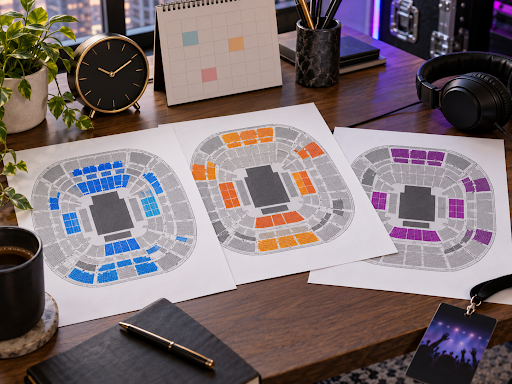
A presale offers access to an allocated group of tickets before the general public sale. It does not necessarily open every section in the venue. The available seats may reflect the allocation for that presale rather than the full seating plan.
That means a fan can enter early, see only expensive or less desirable options, and assume everything else has gone. Sometimes more inventory appears in the general sale. Production holds can also be released after the stage layout is confirmed. None of this is guaranteed, but it explains why a limited presale screen should not be mistaken for a complete picture of the event.
The useful question is not simply whether access is early. It is whether the seats, price and conditions meet the buyer’s needs.
Why “Buy as Early as Possible” Is Incomplete Advice
Anyone trying to identify the best time to buy concert tickets has to consider more than a calendar. The size of the venue, number of dates, popularity of the artist and flexibility of the buyer all affect the decision.
A local fan who can attend any of three dates has more room to wait than someone flying in for a single Saturday performance. A buyer who needs four adjacent seats also faces a different market from someone attending alone. Waiting may reveal more options, but it may also make a specific combination harder to find.
Price tolerance matters as well. Some fans value certainty and would rather secure acceptable seats early. Others are comfortable monitoring inventory in exchange for the possibility of a better price. Neither choice is automatically smarter; they solve different problems.
Additional Dates Can Change the Market Overnight
Popular tours sometimes hold space for extra shows that are announced after initial demand becomes clear. An added date can create a new official sale and reduce pressure on nearby performances. It may also be scheduled for a less convenient evening, leaving the most popular night expensive.
Fans should watch official artist, promoter and venue accounts rather than treating rumors as announcements. Joining a mailing list can be useful when added dates or new ticket releases are communicated directly. If travel is involved, it is wise to avoid a nonrefundable booking based only on a rumored performance.
The same principle applies to production releases. Once a tour arrives and the stage footprint is known, seats that were previously blocked may become usable. These releases can be valuable, but they are unpredictable and should be viewed as an opportunity rather than a plan.
Waiting Changes More Than the Price
As show day approaches, the number on the listing is only one moving part. Delivery deadlines become shorter, desirable sections may become scarce, and travel costs can rise. A cheaper ticket is not a saving if the remaining flight costs twice as much.
Buyer protection also becomes more important when there is little time to fix a problem. International platforms such as Veritickets connect buyers with concert and sports inventory across markets, but fans should still check the protection, delivery schedule and support channel attached to the individual purchase. That is particularly important when a mobile transfer may not arrive until close to the performance.
Waiting makes the most sense when the buyer can tolerate the possibility of missing the show. If attendance is central to a planned trip, certainty may be worth more than a potential late price drop.
Travel Commitments Should Set Your Personal Deadline
The market does not know when a buyer needs to apply for leave, reserve a hotel or arrange a visa. Those practical deadlines often matter more than a general claim about prices.
A simple approach is to choose three thresholds. First, define an acceptable ticket price and seating range. Second, decide the last date on which travel can be booked without unreasonable cost. Third, decide what the buyer will do if no suitable ticket appears—change dates, choose another city or skip the event.
This turns an emotional decision into a manageable one. It also reduces the temptation to buy an unclear listing simply because time is running out.
A Good Decision Balances Choice, Cost and Certainty
There is no hidden weekday when every concert suddenly becomes affordable. Ticket markets differ because tours, venues and audiences differ. Presales reward preparation, added dates can open new opportunities, and late inventory sometimes helps flexible fans. Each option carries its own uncertainty.
The best time to act is when the available ticket meets the buyer’s real needs and the remaining risk is acceptable. That answer is less exciting than a universal timing trick, but it is far more useful when the show actually matters.
Fans can make the decision easier by recording the first acceptable option they see rather than relying on memory. Note the section, final price, delivery method and date. If a later option is better, the reason will be visible. If it is not, the buyer will know what was lost by waiting. This small record cannot predict the market, but it can prevent excitement and frustration from rewriting what was actually available.