
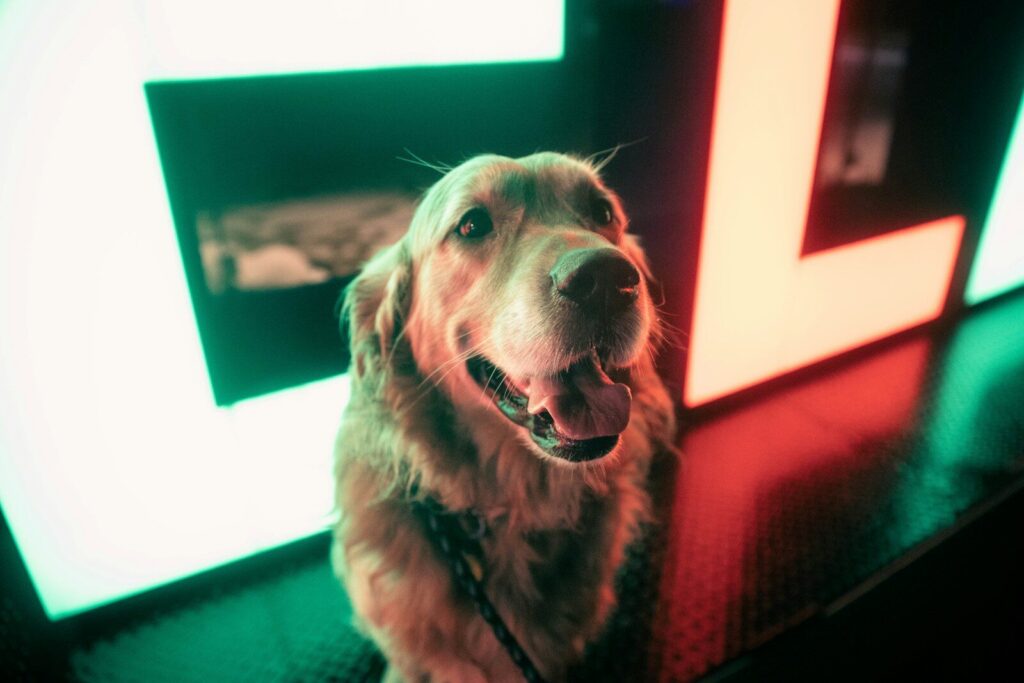
On a gray Seattle evening, your senior beagle takes the stairs one careful step at a time. He’s still happy, still hopeful about dinner, but his hips have clearly started to complain. You’ve heard friends mention red light therapy and wondered whether it’s real science or just a shiny trend. Light-based treatments are showing up in vet clinics, rehab centers, and even living rooms, and the claims can be dizzying.
Here’s a friendly, balanced guide to what red light therapy for dogs actually is, how it’s thought to work, what the research says so far, and what to ask before you try it. This is general information, not veterinary advice.
What Red Light Therapy Is
Red light therapy goes by several names, including photobiomodulation, low-level laser therapy and near-infrared therapy. The idea is simple: low-intensity light, usually in the red and near-infrared range, is directed at a part of the body to encourage healing and comfort. It isn’t hot like a heat lamp, and it doesn’t cut or inject anything.
Different devices use different wavelengths and power levels, which matters because dose and delivery affect results. A clinic laser and a home panel aren’t interchangeable, even under the same label.
How It’s Thought to Work
Researchers believe light at certain wavelengths is absorbed by structures inside cells, including the mitochondria that produce energy. That interaction may influence cellular energy, circulation and inflammation, which in turn could help tissues recover and reduce pain signals. Red light tends to affect surface tissue, while near-infrared can reach somewhat deeper.
The exact mechanisms are still being studied, and how much light reaches a joint through fur, skin and muscle depends on the device and technique.
What the Research Says So Far
The evidence for light therapy in dogs is promising but remains limited. A systematic literature review published in Frontiers in Veterinary Science examined laser therapy in veterinary medicine and highlighted gaps in the quality and consistency of available research. Some studies reported benefits, but the findings were not conclusive across all conditions.
The review emphasised the need for more high-quality clinical studies to establish how effective laser therapy is for different animals and health problems. This means light therapy may offer benefits in certain cases, but it should not be viewed as a guaranteed treatment. A veterinarian can help determine whether it is an appropriate complementary option for an individual dog.
Conditions Vets May Consider It For
Veterinarians and rehabilitation specialists sometimes include light therapy in plans for:
- Osteoarthritis and general joint stiffness
- Post-surgical healing and incision care
- Muscle strains and soft tissue injuries
- Wounds and certain skin problems
- Back and spinal conditions, as part of a broader plan
It is usually an add-on, not a replacement for diagnosis, medication, weight management or rehabilitation.
What a Session Typically Looks Like
Sessions are short and quiet. The device is held close to the target area, or a panel is positioned nearby, for a set number of minutes. Many dogs relax, and some even doze off. Vets generally set the frequency and duration based on the condition, the dog’s size and coat and the device being used, often with several sessions over a few weeks before judging progress.
Safety Basics
Light therapy is generally considered low risk when used appropriately, but a few precautions matter:
- Protect eyes from direct exposure, for both your dog and you
- Avoid treating over suspected or known tumors unless your vet approves
- Mention any medications that increase light sensitivity
- Stop and call your vet if skin looks irritated or your dog seems distressed
- Never use it to delay a diagnosis for sudden or severe pain
Check with your veterinarian before the first session.
Clinic Lasers, Handheld Units and Home Devices
Owners comparing options will encounter a range of choices. Researching Red Light Therapy for Dogs usually leads to three paths: sessions at a veterinary or rehabilitation clinic, handheld devices used under guidance, and home panels or wraps. Clinics offer professional oversight, while home devices provide convenience for owners who want to maintain a consistent routine.
Each option has its benefits, but the right choice depends on your dog’s condition, your budget, and the area being treated. MedCoVet offers resources to help pet owners understand available treatment options. Before purchasing a device, consult your veterinarian about its safety, appropriate use, and whether it suits your dog’s overall care plan.
Questions to Ask Your Vet
A good appointment starts with a few well-chosen questions, and the answers will tell you as much about the plan as they do about your vet’s approach. Consider asking:
- Is light therapy appropriate for my dog’s diagnosis?
- What wavelength, dose and schedule do you recommend?
- How will we measure whether it’s helping?
- Are there conditions or medications that make it unsuitable?
Jot down the answers so you can compare them with what you see at home. A vet who explains both the reasoning and the uncertainty, and who is happy to revisit the plan if your dog isn’t responding, is exactly the kind of partner you want for a long-term condition.
Where Owners Often Start Reading
Many owners begin their research online, and that’s perfectly reasonable as long as you read with a critical eye. Educational guides and veterinary resources can help you understand how red light therapy works, what it may support, and where the evidence remains limited. Whichever company or clinic you explore, favor sources that are transparent about wavelengths, safety precautions, and realistic treatment outcomes. Be cautious about bold promises, and discuss any potential purchase with your veterinarian first, since they understand your dog’s medical history and individual needs.
Set Realistic Expectations
Light therapy rarely works overnight, and it isn’t a miracle. Give any plan a fair trial, and keep simple notes on how your dog moves, eats and sleeps so you and your vet can judge progress honestly. Keep up the basics as well, because a healthy weight, gentle exercise and a comfortable bed all support whatever else you try. If you don’t see improvement, don’t assume you did something wrong. Dogs respond differently, and the most helpful next step is simply to revisit the plan together and adjust.
Conclusion
Red light therapy for dogs uses low-level light to support healing and comfort, and early research suggests it may help some dogs, particularly those with arthritis. The evidence is still modest, devices vary widely and the best results usually come when light therapy is part of a veterinarian-guided plan. Ask thoughtful questions, follow safety precautions and keep expectations realistic. With a bit of patience and good communication with your vet, you can decide whether it deserves a place in your dog’s care.