

Data shows TikTok and Reel retention drops significantly within the first 3 seconds if the ‘hook’ lacks a recognizable audio trigger. In the current algorithmic landscape, audio isn’t just a layer; it’s a psychological anchor that signals the content’s genre and comedic payoff before a word is even spoken. Creators rely on a recognizable auditory vocabulary to connect instantly with their target audience.
Ditch the generic background tracks. Top-tier editors weaponize specific audio cues to hijack the brain’s pattern recognition, manufacturing a Pavlovian response that keeps thumbs from swiping.
What Are the Most Effective Reaction Sounds?
Selecting the perfect auditory reaction requires fully understanding the context of your footage. Different situations demand distinct comedic timing and recognizable audio signatures. Master these three audio archetypes driving the current algorithm.
The Classic Record Scratch
The record scratch physically halts visual momentum. Hard-cut your chaotic footage on the exact frame the needle rips across the vinyl; it forces an immediate cognitive reset, amplifying the absurdity of your freeze-frame.
The Dramatic Vine Boom
The Vine Boom functions as a low-frequency punctuator. It creates a ‘sonic zoom,’ forcing the audience’s subconscious to treat a mundane visual as a high-stakes dramatic beat, effectively resetting the viewer’s attention span mid-video. The sheer volume difference makes standard comedic delivery feel much more intense and entertaining.
The Crickets Chirping
Silence sometimes fails to convey deep awkwardness effectively on camera. Adding synthesized insect noises fills dead air while amplifying the embarrassment of a failed joke. This technique mimics theatrical timing, ensuring audiences clearly understand the intentional social discomfort happening during that specific video segment perfectly.
How Do Professionals Balance Audio Levels Correctly?
Spiking your audio meters into the red doesn’t make the joke funnier; it blows out mobile speakers and spikes your swipe-away rate. Professionals meticulously adjust audio tracks, keeping dialogue crystal clear while blending humor seamlessly into the background.
A simple, practical tip involves utilizing audio ducking, a technique that automatically lowers background noise when someone speaks. Referencing the National Institute on Deafness and Other Communication Disorders guidelines on safe listening levels helps creators prevent their audience from experiencing ear fatigue during long media sessions.
Why Do Audio Memes Drive Viewer Retention?
Sound is a cognitive shortcut. Drop a familiar .MP3, and the viewer’s brain instantly pre-loads the punchline. This micro-anticipation is the absolute glue holding your retention graph together. Pro-level workflows require a centralized digital soundboard, like Sound Buttons Lab, to reduce ‘edit-fatigue.’ Precise frame-matching of a .WAV file to a facial expression is the literal difference between a viral 1:1 reaction and a video that feels ‘off-beat’ to the viewer.
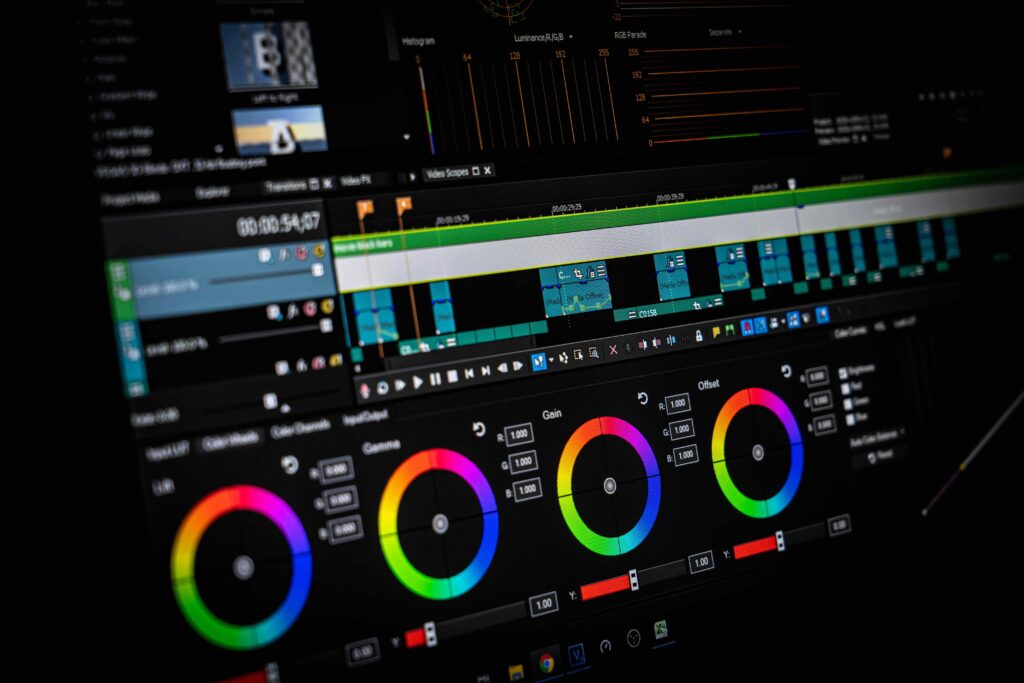
Image by Nejc Soklič from Pixabay
Where Can Editors Find High-Quality Audio Clips?
Sourcing files legally remains a major concern for digital producers facing copyright strikes. Understanding the distinction between public domain libraries and licensed databases saves countless hours of frustration. Here’s how to source raw audio without risking your AdSense account.
Exploring Public Domain Archives
One Content ID strike can divert 100% of your ad revenue to a third-party claimant. Savvy editors bypass this by sourcing raw files from the Library of Congress archives or using strictly CC0-licensed assets to maintain total channel sovereignty. Using historical, royalty-free audio files eliminated their copyright issues while adding a surprisingly unique vintage flair to their content.
Utilizing Creative Commons Platforms
Finding precise noises often requires searching specialized community repositories. Organizations like Creative Commons provide clear frameworks for legal usage. By carefully checking the specific attribution requirements attached to each download, creators legally protect their channels from sudden takedowns while supporting fellow independent sound designers globally.
Questions About Popular Meme Sounds
What is the optimal volume level for inserting comedic audio clips?
Always set background comedic noises at least ten to fifteen decibels lower than the primary dialogue track. This ensures the joke remains noticeable without causing the audience to strain their ears or miss the core message of the video.
How do copyright algorithms detect reused auditory snippets?
Platforms use automated content identification systems to scan unique waveform signatures. Even short clips trigger these systems if they match registered databases. Slightly altering the pitch or speed helps, but sourcing properly licensed files remains the safest prevention method.
Why do certain old sound effects remain relevant across modern platforms?
Nostalgia heavily influences viewer psychology. Familiar noises from classic media act as shared cultural touchstones. Younger audiences adopt these files ironically, while older viewers recognize the original context, creating a bridge that maximizes the demographic appeal of the video.
Can over-editing ruin the comedic timing of a reaction file?
Yes, leaving too much space before or after the noise makes the joke feel unnatural. The impact must sync perfectly with the visual punchline. Don’t forget to trim the blank space beforehand, ensuring an immediate, precise, and snappy delivery.