Almost half of young adults aged 18-34 feel unattractive when scrolling through their social media feeds. This reveals how social media affects self-image. Around 60% feel their achievements don’t match what others post. Adolescents spend an average of 9 hours on social media platforms each day, so this makes sense. The effects of social media on self image go beyond temporary dissatisfaction. If you have been using social media for more than 2 hours each day, you are more likely to report mental health problems. We’ll discuss how social media disrupts self image through constant comparison and unrealistic standards that create lasting psychological effects.
The Illusion of Perfection: How Social Media Creates Unrealistic Standards
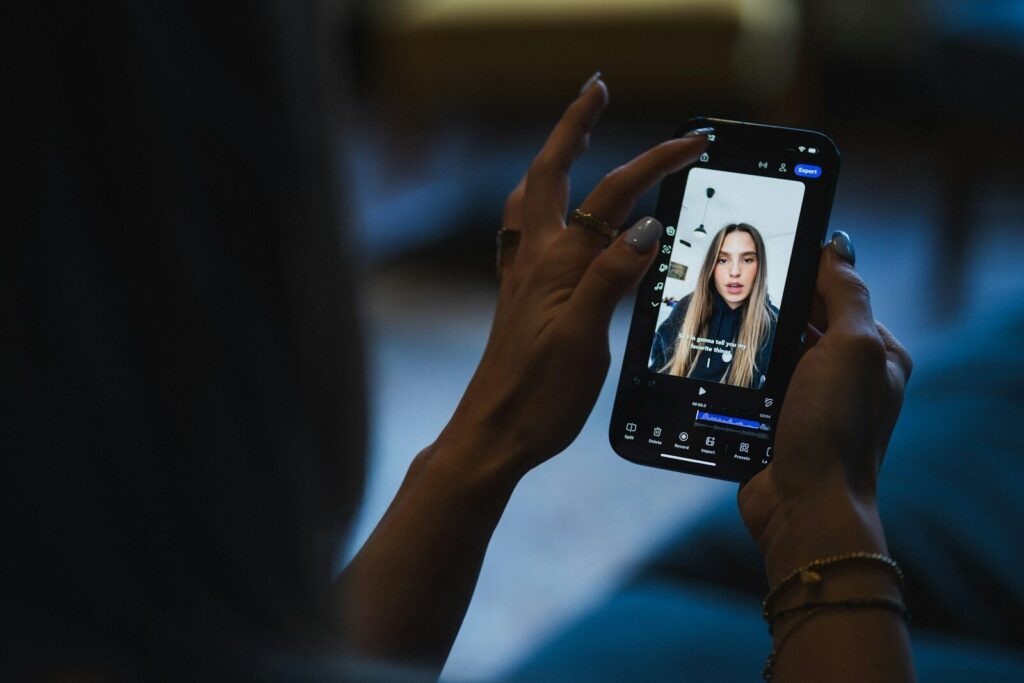
Platforms invest heavily in features that manipulate visual content. Instagram and Facebook attract 600 million users monthly who apply increased reality filters, while 76% of Snapchat users rely on these tools every day. These filters don’t just add fun accessories. They reshape faces with up-to-the-minute processing and enlarge eyes, plump lips, smooth skin, and create angular jawlines that don’t exist in nature.
This digital manipulation creates what researchers call “selfie dysmorphia.” Users experience negative self-esteem and body distortion after improving their photos. Some cases push people toward cosmetic surgery to match their filtered appearance. Plastic surgeons now report patients requesting procedures to look like their Snapchat filters.
Influencers magnify this problem. They curate selective and positive portrayals of life that viewers treat as attainable norms rather than marketing content. Followers notice influencers as “real people,” so their edited content feels more damaging than traditional advertising. A 2024 study found strong correlations between frequent exposure to edited images and higher levels of body dissatisfaction, anxiety, and depressive symptoms.
The effect on social media and self image intensifies through algorithmic curation. Platforms prioritize engaging content, which means idealized imagery dominates feeds. You’re not comparing yourself to reality anymore. You’re measuring your worth against digitally improved performances that were never meant to represent everyday life.
How Does Social Media Affect Self-Image Through Constant Comparison
Social comparison sits at the heart of how social media affects self-image. Psychologist Leon Festinger proposed in 1954 that we evaluate our worth by comparing ourselves to others. Social media supercharges this process. Studies show that 12% of our daily thoughts involve some form of comparison. Platforms expose us to an endless stream of others’ curated moments and make upward comparisons (judging ourselves against those we notice as better) hard to avoid.
Researchers call this constant comparison Fear of Missing Out, or FoMO. The concept explores our fear of social exclusion through continuous awareness of what we might be missing. More than half of U.S. teens spend at least four hours daily on social media apps. This creates distorted perceptions of others’ edited lives. A vicious cycle emerges: FoMO drives compulsive checking. That exposes us to more idealized content and intensifies feelings of inadequacy.
The validation-seeking behavior this creates becomes addictive. Those assigned to receive fewer likes on posts reported substantially lower self-esteem. To cite an instance, individuals post body-revealing photos when feeling insecure and use comments as temporary reassurance. But this external validation is short-lived because it comes from others rather than within ourselves. The cycle perpetuates itself and increases negative mood when feedback disappoints.
The Mental Health Crisis: When Social Media Addiction Takes Over
Social media addiction has reached crisis proportions. Nearly one in five U.S. adults lives with a mental illness, but the prevalence among youth proves even more alarming. Up to 95% of young people aged 13-17 use social media platforms, and teenagers spend an average of 3.5 hours daily scrolling. Children and adolescents who spend more than 3 hours a day on social media face double the risk of mental health problems, including symptoms of depression and anxiety. This threshold matters.
Brain chemistry drives the addiction. The brain’s reward center releases dopamine and activates social media use, creating dependency patterns. The brain becomes accustomed to this dopamine flood and struggles to function without the constant high. Anxiety, depression, irritability, mood swings, insomnia, and increased appetite are withdrawal symptoms from social media addiction. The potential consequences have become significant enough to attract legal scrutiny, and a recent California jury awarded $6 million in damages to a victim in California after finding social media platforms liable for negligence related to mental health injuries.
Young adults and single women show the highest addiction rates. Risk factors include history of addiction and co-occurring mental health issues like anxiety and depression. People experiencing substantial loneliness or low self-esteem are also at risk. More, limiting social media to 30 minutes daily substantially reduces anxiety, depression, loneliness, and fear of missing out. Yet 46% of adolescents aged 13-17 said social media makes them feel worse about body image.
Conclusion
How social media affects self-image stems from three interconnected forces: digitally manipulated perfection that distorts reality, constant comparison that propels inadequacy, and addictive patterns that damage mental health. Understanding this connection gives you power to break the cycle. Limit your daily usage to 30 minutes and recognize that filtered content isn’t reality. Seek validation from within rather than through likes. Your self-worth shouldn’t depend on curated performances designed to trigger scrolling.