Music
Exclusive Interview: Tara Macri Opens Up About “Grace” And Her Next Chapter

06 Aug
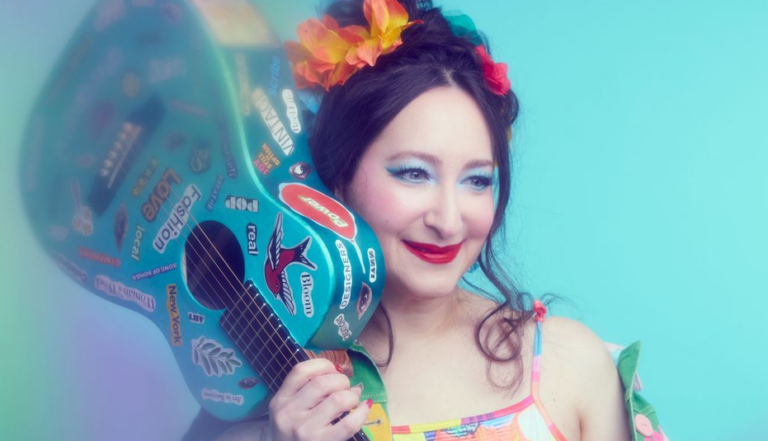
Music has a way of keeping people close to us. A melody can bring someone back into the room, a lyric can preserve a feeling, and a song can carry a connection long after time, distance, or loss has changed everything.
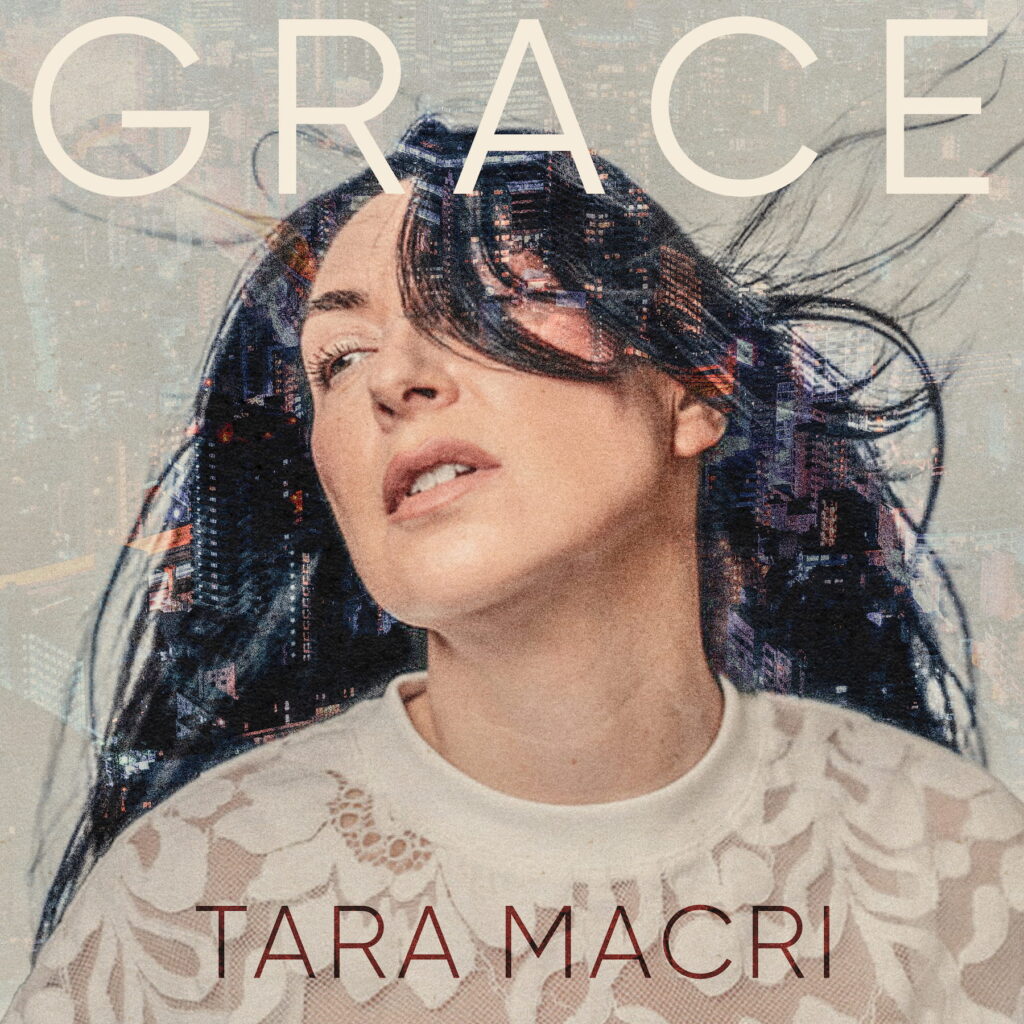
That idea drives “Grace,” the new single from Billboard-charting singer-songwriter Tara Macri. Beginning as a quiet piano reflection on someone she deeply missed, the song grew into a soaring, cinematic pop anthem about connection, memory, and the people we continue to carry with us. The track marks a striking new chapter in a career that already spans Broadway, film, television, voice acting, and music.
Macri has spent years bringing other people’s stories to life in productions including Hairspray, Jersey Boys, and The First Wives Club. With “Grace,” she turns the focus inward, revealing a more personal side of her artistry while holding onto the big, dramatic storytelling that has defined her career.
We chatted with Macri about the artists who shaped her sound, the deeply personal story behind “Grace,” how a simple piano demo became something much bigger, and the music, performances, and creative projects she has planned next.
Which artists have had the biggest influence on the way you write and perform, and is there one influence that might surprise people?
I’ve been inspired by so many artists over the years that it’s hard to narrow it down. The Beatles, Billy Joel, Coldplay, Taylor Swift, P!nk have all shaped me in different ways. The Beatles taught me the power of timeless songwriting. Billy Joel made me fall in love with writing at the piano. Coldplay showed me how music can feel cinematic and emotionally expansive. Taylor Swift has an incredible ability to turn personal stories into something universal, P!nk inspires me with her honesty and fearlessness. One influence that might surprise people is classical music. I listen to it almost every morning. My brain is usually going a million miles an hour and classical music has this incredible way of slowing everything down and clearing my head.
You’ve worked across Broadway, film, TV, voice acting, and music. When did songwriting stop being part of the job and start feeling like your voice?
Songwriting has always felt like my voice. Acting gives me the opportunity to tell someone else’s story while songwriting lets me explore my own. Both are rooted in truth but they come from different places. As an actor, my job is to bring a character’s experience to life. As a songwriter, I’m inviting people into my own.
How has your experience as an actress and Broadway performer shaped the way you tell stories through music?
I’ve always thought acting and songwriting go hand in hand because they’re both about telling a story. The difference is that with songwriting, I’m telling my own. When I’m writing, I’m always thinking about the emotional journey and whether people are going to connect with what I’m trying to say.
Broadway taught me the importance of living in the moment. Even after performing the same show hundreds of times, every performance had to feel fresh and truthful. I think that’s made me a better songwriter and performer because I never want a song to feel rehearsed. I want it to feel like I’m experiencing it right alongside the audience.
When you write a song as personal as “Grace,” do you approach it differently from playing a character whose story has already been written?
Very differently. As an actor, you’re serving someone else’s vision while bringing your own truth to it. With songwriting, the story starts with you.
Writing Grace meant sitting with emotions I hadn’t fully processed yet. It was uncomfortable at times, but also incredibly healing. I wasn’t creating a character or thinking about an audience; I was simply trying to put into words something I was feeling but couldn’t quite explain. The lyric “I can’t seem to find the right words to say” was exactly how I was feeling.
“Grace” began quietly at your piano. What do you remember about the first day you started writing it?
I remember sitting at the piano with no intention of writing a song. I was just trying to make sense of what I was feeling.
The chords came first. They were kinda of sad, kind of hopeful. It was exactly where I was emotionally at the time. I ended up with what felt like a million voice notes and a million different verses, trying to find the right words to express what I was feeling. Every night I’d end up back at the piano trying different parts, seeing what felt right.
The song acknowledges loss without sitting entirely inside grief. Why was it important to make “Grace” a celebration of connection instead?
Grief is real but I don’t think love ends when someone is gone. I remember hearing someone say that grief is all the love you still have for someone when they’re no longer here, and that really resonated with me.
That’s why I didn’t want Grace to stay in the sadness. I wanted it to celebrate the connection we continue to have with the people who shape our lives. Even when they’re gone, they’re still part of us in so many ways. No one knows for sure what happens where we go after this life but you kinda wanna know that they are “doing fine” wherever they are.
Producer Jordan “AliasOne” Winfield transformed your simple piano demo into a much bigger cinematic production. What was your first reaction when you heard what he had created?
I remember getting goosebumps. The original demo was just me and a piano so hearing it open up into something so cinematic was really emotional. Jordan is an incredible producer. He understood what the song was about. He built this beautiful cinematic world around it without ever losing the intimacy that was there from the beginning. Somehow it still felt just as intimate only on a much bigger scale.
You’ve described “Grace” as the beginning of a new chapter. What can you share about the music, performances, or creative risks you want to explore next?
I think I’m finally giving myself permission to think bigger.
Of course I want to keep making music, but I also want to keep exploring different creative outlets. Right now I’m and ep and co developing a new comedy series called Four Way Mortgage, which has been so much fun because it lets me tap into a completely different side of my creativity.
With my music I want it to feel cinematic and I want the visuals and the live performances to become part of the storytelling. I’ve spent so much of my career moving between music, acting, writing and producing, and now it finally feels like all of those worlds are starting to come together. That’s really exciting to me because I don’t feel like I have to choose just one anymore.
You’ve already moved across so many creative spaces. What’s something you still haven’t done that you know you need to try?
I’d love to headline my own tour. That’s always been a dream.
I’d also love to keep creating and developing original shows. I’m currently an EP and co-creator of a comedy series called Four Way Mortgage, which I also star in, and we’re looking for the right production partner to bring it to a wider audience. Creating something from the ground up from the first idea to being on set is incredibly rewarding and I’d love to do more of that!
What can fans expect from you next? Are there more releases, live shows, or touring plans currently taking shape?
Absolutely! Grace is just the beginning.
I have more music coming soon! I’m especially excited about an acoustic version of Grace with a choir that’s coming out. Can’t wait for people to hear it. I’m also continuing to develop new projects including our comedy series Four Way Mortgage, while getting ready to perform more live.