
Twenty years ago, online poker looked very different. A player typically sat down in front of a desktop computer, launched a dedicated software client, and entered a virtual poker room that often felt more like a spreadsheet than a modern gaming platform. Tournament lobbies were packed with information. Tables appeared in separate windows.
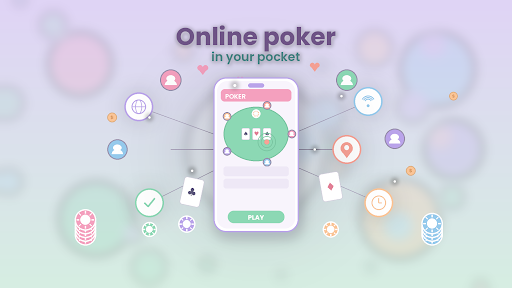
The cards have not changed much since then. Texas Hold’em is still Texas Hold’em. The software surrounding it, however, has undergone a significant transformation. Mobile apps forced poker operators to rethink everything from table layouts and navigation systems to tournament registration and account management.
In the process, online poker became something that could function across a wide range of devices rather than a product tied primarily to desktop computers.
Early Online Poker Was Built For A Different Era
Looking back at some of the earliest poker clients is a useful reminder of how different digital products once looked.
Desktop software had space to spare. Developers could fill the screen with tournament information, player lists, chat boxes, betting controls, and multiple open tables without worrying too much about layout. Mouse and keyboard navigation did most of the work.
A smartphone changed those assumptions immediately. The challenge was not simply fitting a poker table onto a smaller screen. Every surrounding feature had to be reconsidered as well. Tournament schedules, cashier sections, account settings, game filters, and registration tools all needed to function within a much more limited space.
The Real Challenge
The cards were the easy part. Five community cards still appear in the middle of the table. Betting rounds still follow the same sequence. Hand rankings remain unchanged.
The difficult part was everything around the game.
When we launch a modern poker app, we usually find tournament registration, account management tools, game filters, player settings, transaction history, and customer support functions all integrated into the same environment. None of those elements existed naturally on a small screen.
Developers responded by simplifying navigation and reducing clutter. Information that once occupied multiple windows was narrowed into menus and panels that could be opened upon demand.
In many ways, mobile poker development became an exercise in deciding what information was essential and what could be moved into the background.
Some Poker Formats Adapted More Naturally Than Others
Some games translated to smaller screens with relatively few changes, while others required more substantial redesign work to ensure that information remained readable and controls remained usable throughout play.
Common examples of adaptable formats include:
- Cash games
- Sit & Go tournaments
- Fast-fold poker formats
- Short-handed tables
- Casino poker variants
- Single-table tournaments
Fast-fold poker provides an interesting example. Because players move directly into a new hand after folding, the format already relied heavily on software automation. That structure translated naturally into mobile environments where efficient navigation became increasingly important.
Other formats required more adjustment, particularly those involving large numbers of simultaneous tables.
Mobile Apps Changed How Poker Software Is Designed
One of the more interesting developments happened behind the scenes. Mobile apps encouraged software developers to think differently about reliability and continuity.
A desktop computer typically remains connected to the internet through a stable connection. Smartphones move between Wi-Fi networks, mobile networks, and areas with weaker signal coverage. Poker software had to adapt.
Features that are now taken for granted became increasingly important over time:
| Mobile Design Challenge | How Poker Apps Adapted |
| Smaller screens | Simplified table layouts |
| Touch navigation | Larger betting controls |
| Connection interruptions | Automatic reconnection systems |
| Limited display space | Collapsible menus and information panels |
| Device switching | Synchronised account access across platforms |
| Background app usage | Session recovery features |
A Poker Platform Became More Than A Poker Table
A modern poker app functions as something closer to a complete platform than a single game. Tournament registration, player statistics, account settings, responsible gambling tools, cashier functions, and customer support services often exist within the same application.
Earlier generations of poker software frequently treated these features as separate sections. Mobile development pushed many operators toward more integrated designs. The result is not necessarily a different game. It is a different iGaming environment.
Responsible Gambling Notice
Mobile poker apps typically include responsible gambling tools within the same interface used for gameplay and account management.
Depending on the operator and jurisdiction, available measures may include deposit limits, max bet limits, session reminders, and time-management controls. Before participating in any form of online gambling activity, users should review the tools available through their chosen platform and understand how those controls operate.