Artists have long been known for creating living spaces that reflect their values as much as their creative work. In recent years, many have become increasingly interested in homes that prioritize simplicity, self-sufficiency, and healthier indoor environments. Rather than focusing solely on aesthetics, these homeowners are paying close attention to energy independence, material choices, air quality, and the overall feeling a space creates on a daily basis.
What makes these homes particularly interesting is that they are often designed around lifestyle rather than trends. Instead of chasing the latest design movement, artists frequently build environments that support creativity, comfort, and long-term well-being. The result is a growing number of off-grid and low-tox homes that feel both practical and highly personal.
Energy Independence Is Often Part of the Vision
Many artists are drawn to off-grid living because it offers greater control over how a home operates. Energy independence can be especially appealing in rural areas, studio properties, and creative retreats where utility access may be limited or operating costs can become a concern.
When planning these projects, homeowners often spend considerable time evaluating renewable energy systems, battery storage, and power management solutions. Resources from https://thesolarstore.com/ are frequently explored during the research phase as property owners assess equipment that can support a more self-sufficient lifestyle. For many, reducing dependence on external utilities is not only a financial decision but also a way to align their homes with broader values related to sustainability and resilience.
These systems rarely exist in isolation. They are often integrated into a larger design philosophy focused on reducing unnecessary consumption and creating spaces that function efficiently over the long term.
Indoor Air Quality Receives More Attention
A common feature of many low-tox homes is an emphasis on indoor air quality. Paints, furnishings, cleaning products, and building materials can all influence the indoor environment, leading homeowners to become more selective about what enters their living spaces.
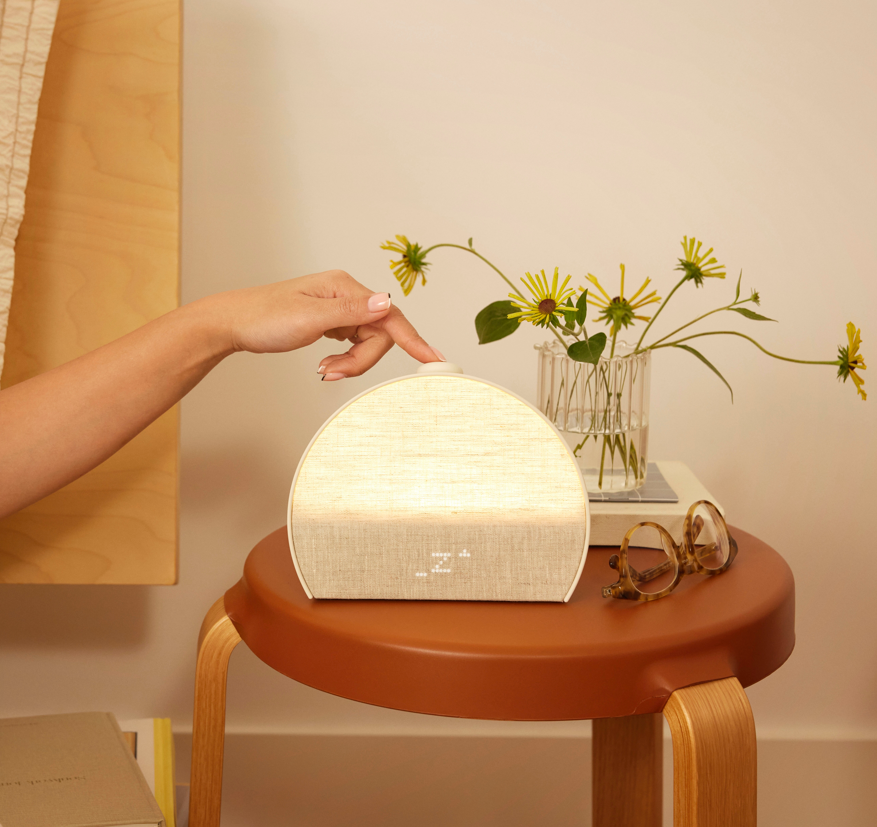
Artists who spend long hours working from home studios often pay particular attention to how a space feels throughout the day. Ventilation, natural airflow, and odor management frequently become part of the design process rather than afterthoughts. Products associated with home air freshener solutions are often considered alongside broader efforts to create cleaner and more comfortable indoor environments.
The objective is not necessarily perfection but creating a space that feels pleasant, fresh, and supportive of daily living and creative work.
Natural Materials Tend to Play a Larger Role
Many off-grid and low-tox homes feature materials chosen for durability, simplicity, and comfort rather than short-term visual impact. Wood, stone, natural textiles, and other long-lasting materials are commonly incorporated into both living spaces and work areas.
These choices often reflect a desire to create environments that age gracefully and require less frequent replacement. Rather than redesigning interiors every few years, many homeowners focus on building spaces that remain functional and visually appealing over time.
This approach can also contribute to a calmer atmosphere, which many artists consider beneficial for concentration and creative work.
Multi-Purpose Spaces Are Becoming More Common
Unlike traditional homes that separate activities into highly specialized rooms, artist-designed spaces often serve multiple functions. A room may operate as a studio during the day, a gathering space in the evening, and a quiet retreat when focused work is required.
This flexibility becomes especially valuable in off-grid settings where efficiency is a priority. Every room is expected to justify its footprint and contribute meaningfully to daily life. Furniture, storage solutions, and layouts are often selected with adaptability in mind.
The result is a home that feels highly personal while remaining practical for changing needs.
Simplicity Often Replaces Excess
One of the most noticeable characteristics of these homes is the absence of unnecessary complexity. Rather than filling spaces with features that are rarely used, many homeowners focus on elements that genuinely improve quality of life.
This does not mean sacrificing comfort. In many cases, these homes feel exceptionally comfortable because every design decision serves a purpose. Clutter is reduced, maintenance requirements are minimized, and attention is directed toward features that contribute to everyday enjoyment.
The emphasis on simplicity often creates environments that feel more relaxing and easier to maintain over the long term.
Building Around Lifestyle Rather Than Trends
The growing interest in off-grid and low-tox living reflects a broader shift toward homes that support specific lifestyles rather than simply following design trends. Artists are often at the forefront of this movement because they tend to view their homes as extensions of their creative and personal values.
By prioritizing energy independence, healthier indoor environments, durable materials, adaptable spaces, and intentional simplicity, they are creating homes that function differently from conventional residential designs. These spaces are not defined by a particular aesthetic style. Instead, they are shaped by the practical goal of building environments that support both creativity and everyday well-being for years to come.